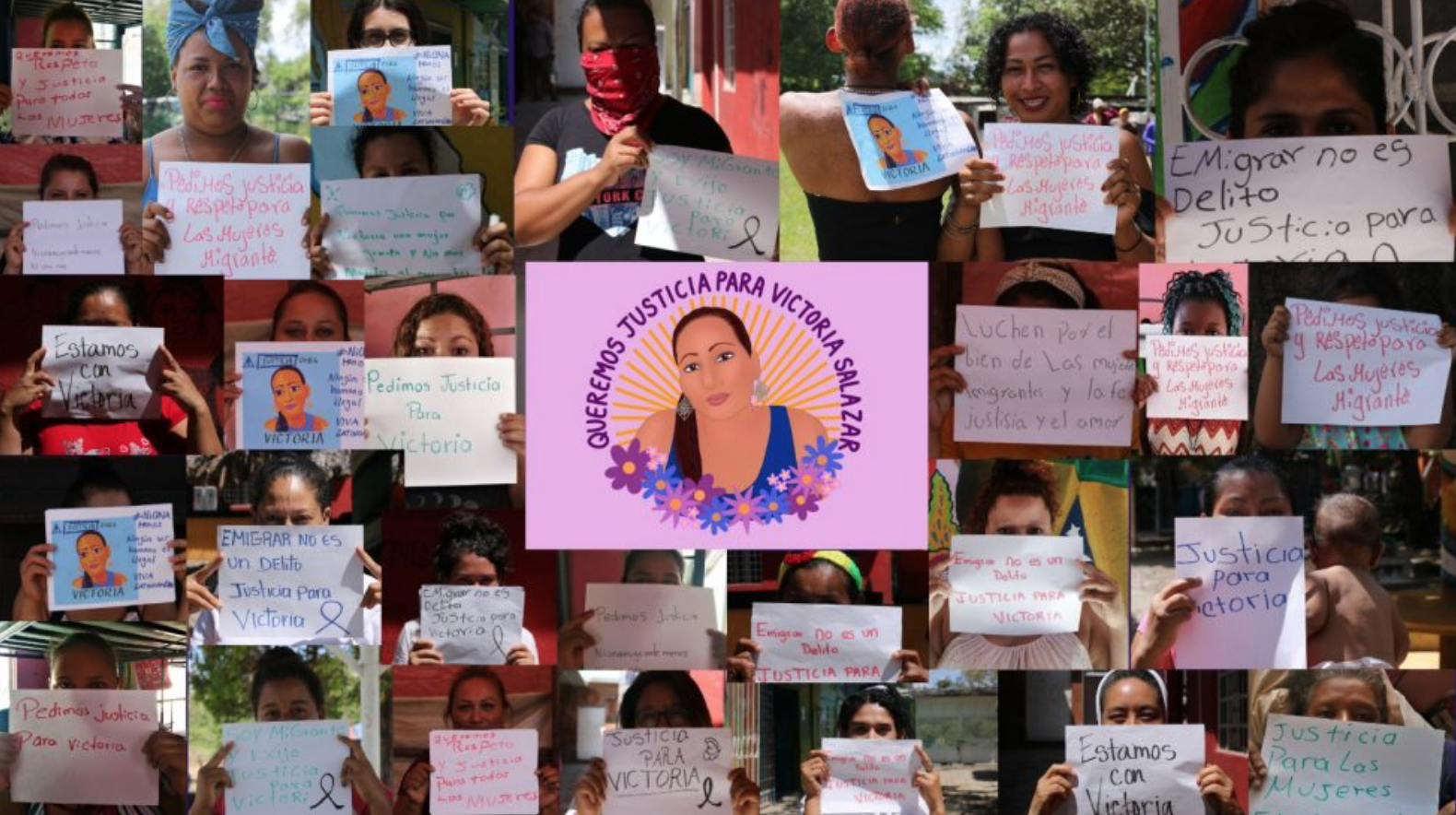


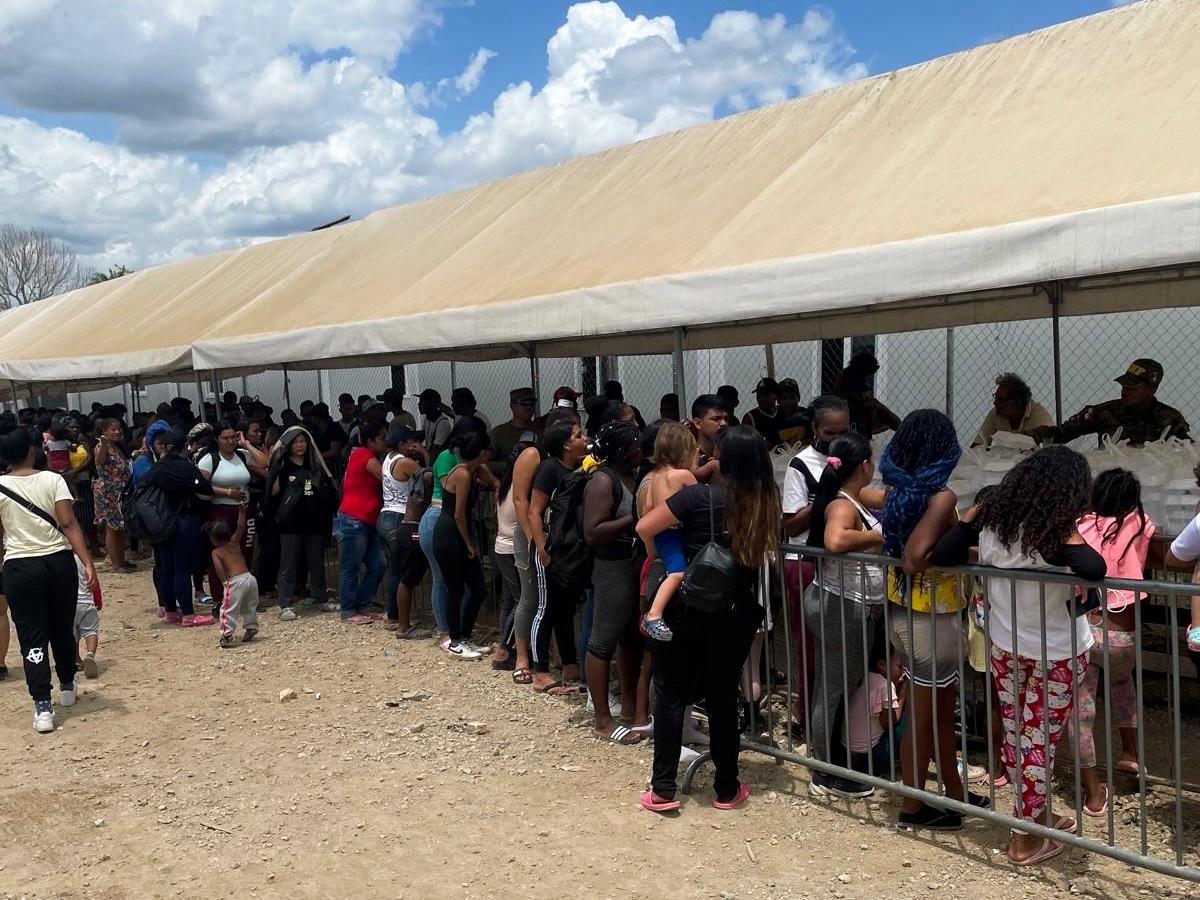

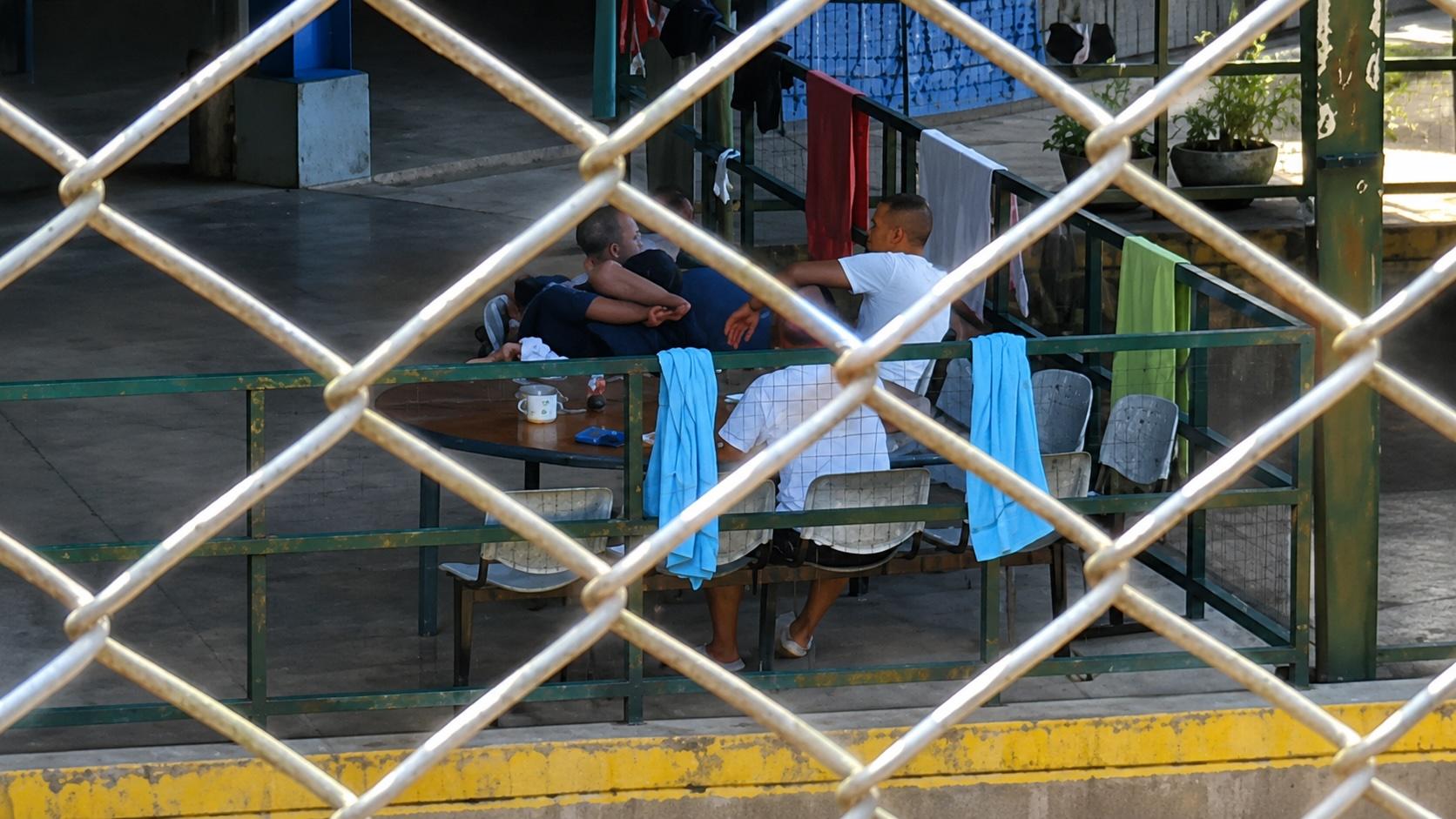
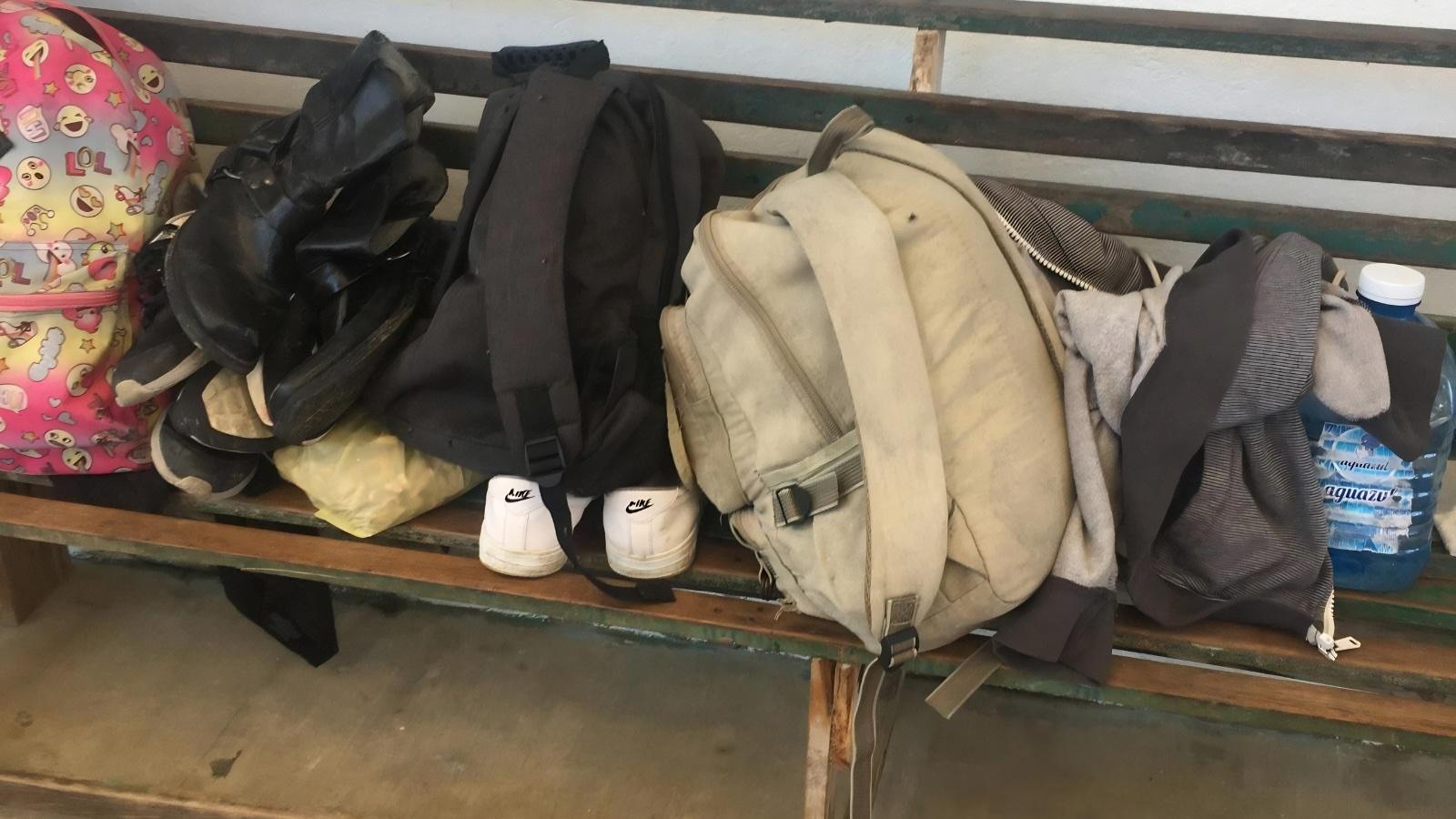


Quixote Center recognizes migration as a fundamental human right under international law. In the United States, migrants strengthen our economy, enrich our culture, and strengthen our social fabric. 

Quixote Center’s principal international partnership is with the Red Franciscana para Migrantes (RFM - Franciscan Network for Migrants). RFM connects Franciscan-run shelters and other humanitarian assistance programs for migrants who are making the dangerous trek through Mexico, Central America, and South America. We support RFM by

  • Serving as the fiscal sponsor for RFM within the United States and coordinating advocacy efforts with their staff. 
  • Providing on-going financial support to RFM programs in Panama, a particularly strategic and difficult migrant crossing point.
  • Offering capacity-strengthening funding to RFM teams, so far supporting teams in Colombia, Brazil, and Mexico. 

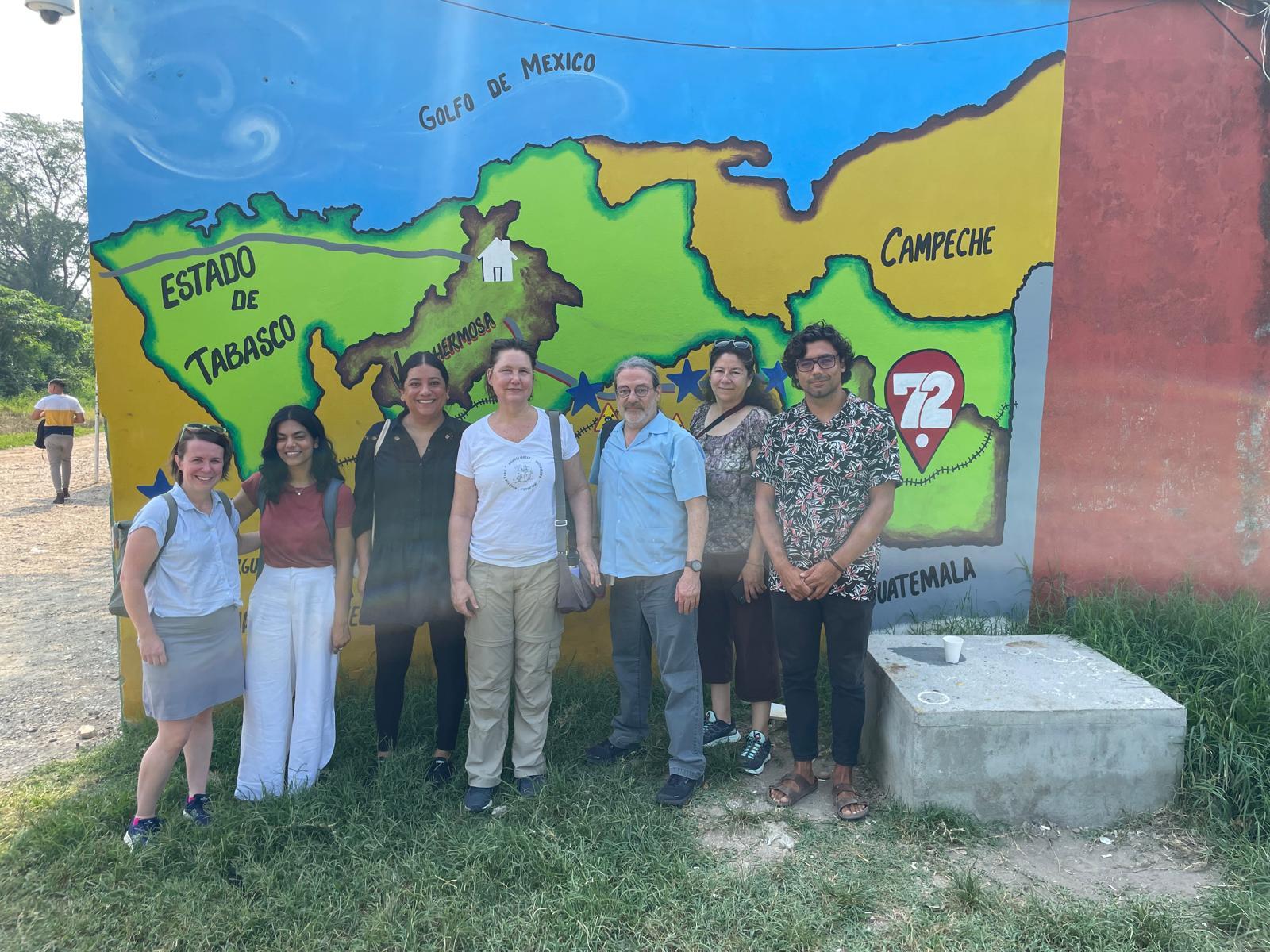
Quixote Center and RFM organize Solidarity Trips since 2022 as part of our advocacy and education mission, bringing U.S. based migrant justice activists and other professionals to Southern Mexico and Panama to see firsthand how the U.S. immigration impact the lives of hundreds of thousands of people fleeing their homelands to seek a new life, in the United States or elsewhere.

View our Between Borders video series .

Find out more about our Solidarity Travel Program .

Partners

RFM - Red Franciscana para Migrantes (Franciscan Network for Migrants)

The Franciscan Network for Migrants (RFM) is a network of individuals and service centers across the Americas that, inspired by Franciscan spirituality, reach out to migrants to support, promote, protect, and defend their rights in their respective countries of origin, transit, and destination.

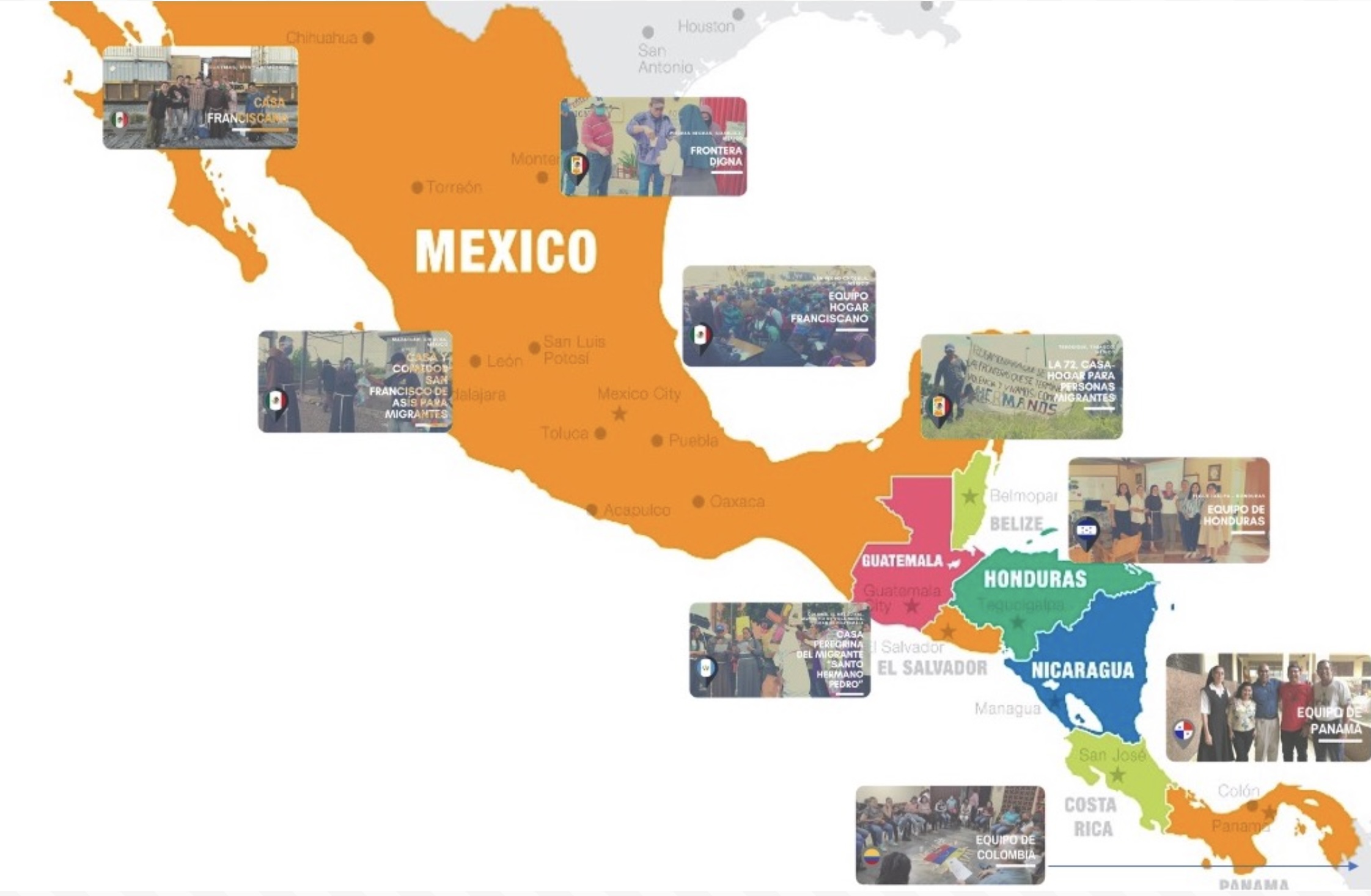
Location of Shelters in the Franciscan Network on Migration

At the border: 2019 was worse. What can we learn from this?

CNN on Thursday, April 1, “There were about 17,650 unaccompanied migrant children in US government custody….including 5,767 in CBP custody.” So, 5,767 in Border Patrol custody, leaving “about” 11,883 in the custody of Health and Human Services (or in the process of being transferred into HHS custody).

Media Release: The Invisible Wall: New Report on Title 42 and impact on Haitian migrants

FOR IMMEDIATE RELEASE

Media Contact:

Nicole Phillips, Legal Director, Haitiian Bridge Alliance, nmp.law@gmail.com, +1 (510) 715-2855

Tom Ricker, Policy Director, The Quixote Center, tomr.quixote@gmail.com, (301) 922-8909

Biden’s Invisible Wall: New Report Describes the Hardships that Title 42 Expulsions Create for Haitian Migrant Families and Calls on Biden to Stop Expelling Migrants to Haiti

The good, the meh, and the ugly: Another week of immigration politics

Over the last week there have been several advances as well as setbacks in the evolution of immigration policy under the Biden administration. The process of bringing the Migration Protection Protocols to a close was launched and the administration’s immigration reform legislation was finally introduced in Congress. Meanwhile, new operational guidance concerning enforcement priorities for Immigration and Customs Enforcement was released to mixed reviews, while a District Court judge overturned the Biden administration’s efforts to implement a 100-day moratorium on most deportations.

Haiti update, and call to stop removals!

On February 7, Jovenel Moise refused to step down from the presidency of Haiti. As we reported last week, there has been a flurry of activity since, as Moise has sought to secure his position and attack opponents. On the morning of February 7th, Moise had 20-23 people arrested, including a supreme court justice and police inspector, on charges that they were plotting to kill him and take control of the government.

Biden and Immigration: Week 2

On Biden’s first day in office he issued seventeen executive orders, 6 of which dealt with some facet of immigration policy. He also released a summary of a bill his administration would be sending to Congress; and the acting head of the Department of Homeland Security issued a memorandum that called for a moratorium on deportations and shifted enforcement priorities. It was an auspicious start - which we tried to capture in some detail last week on the blog.

Pages