
This year, the Quixote Center will celebrate our 50th Anniversary!
Click HERE to find out how you can join the celebration.
About Us
The Quixote Center dismantles oppressive systems and structures so that vulnerable people are empowered to become the artisans of their own destiny. Inspired by liberation theology, we do this through sustainable development, U.S. policy reform, economic justice, and educational initiatives.

Programs
Latest Action

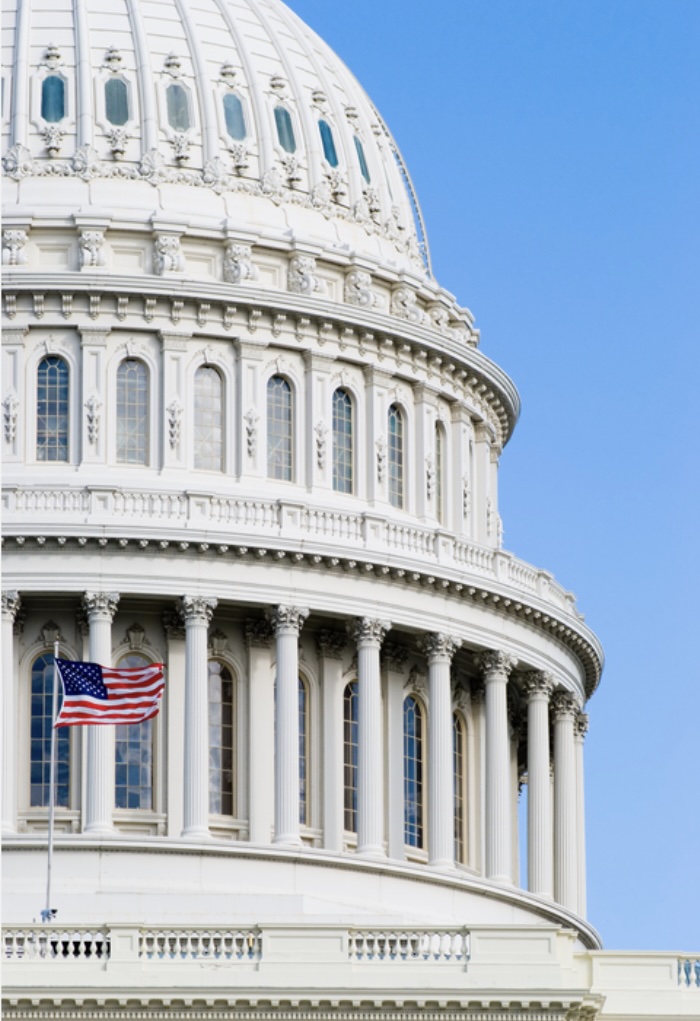
Take Action Now: Ask your Members of Congress to co-sponsor the ARMAS Act of 2025 – H.R.6736, S.3508
Gun trafficking from the United States is fueling deadly violence across Latin America and the Caribbean, with devastating consequences in countries like Haiti and Mexico. The ARMAS Act of 2025 would restore oversight, strengthen transparency, and hold U.S. arms exporters accountable, helping prevent weapons from falling into the hands of criminal gangs. Urge your Members of Congress to co-sponsor the ARMAS Act and take a critical step toward reducing violence and protecting lives across the region.
On December 16, 2025, Representative Castro introduced the ARMAS Act in the House – HR. 6736 – and Senator Murphy introduced the bill in the Senate – S.3506. We encourage everyone to utilize our congressional letter template and telephone script to ask your Members of Congress to fully support this bill.
Thank you for your continued support.
ADVOCACY UPDATES:
- 48 members of the House supported the Action to Support Haitian Women and Girls with the Resolution submitted by Rep. Clarke. We appreciate everyone who sent a letter or called your Representatives to encourage them to be original co-sponsors of this bill.
- The War Powers Resolution failed to pass in the Senate after the vicepresident broke the 50-50 tie. We expect Senators Kaine, Paul, Schumer and Schiff to reintroduce a Joint Resolution if the hostilities against Venezuela continue to escalate.
The Resolution Representatives McGovern, Massie and Castro reintroduced in House also failed to pass with a 215-215 vote tie. Although this is disappointing, the margin is minimal and there is a good chance these resolutions will be reintroduced if US military operations continue without prior consent from the Congress.
- The Haiti Criminal Collusion Transparency Act passed in the Senate as part of the National Defense Authorization Act which the executive signed into law on December 18th, 2025.
This is the result of two years of persistent advocacy and we are grateful to all of you who have contacted your Members of Congress, urging them to support this critical piece of legislation. We must now hold the authorities accountable for the implementation of this law.
Recent Updates
Haiti and Haitians in 2026
Haiti remains volatile. According to the most recent report from the UN Security Council, there are now 1.4 million people displaced, 12% of the population, and 5.9 million people facing hunger, with 1.9 million facing extreme hunger. There are also alarming levels of sexual violence, with women and girls the primary victims.
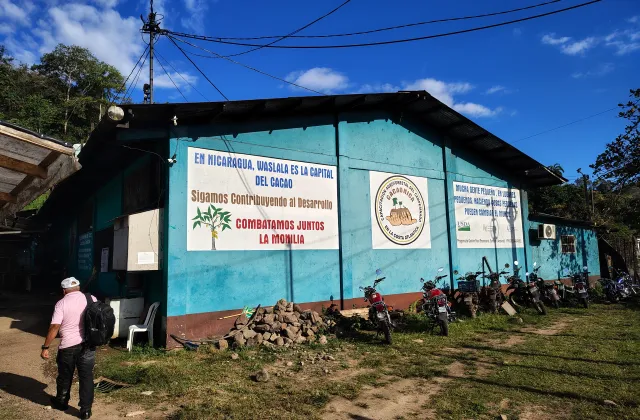
Lighting the Path Forward: Inspiring Results from Our Nicaragua Pilot with CacaoNica
As we step into a new year, Quixote Center is proud to share a story of resilience, partnership, and tangible hope emerging from rural Nicaragua. In collaboration with CacaoNica, Green Empowerment, and PeaceWorks, we launched the Community Autonomy in Energy and Sanitation (ACES) pilot project in August 2025—an initiative rooted in a simple but powerful vision: that access to clean energy and dignified sanitation can transform lives.
Walking with migrants: one year of impact by the Franciscan Network for Migrants (RFM) in Panama
In the midst of one of the most complex migration crises in the region, the Franciscan Network for Migrants (RFM) in Panama continues to be a beacon of hope for thousands of people in human mobility. On the verge of completing three years of service, 2025 has been a year of consolidation, growth, and deep commitment to human dignity, especially for those who are most vulnerable: sick or injured migrants, returnees, asylum seekers, and families who cannot return to their countries of origin due to political, economic, or social crises.