



Quixote Center recognizes migration as a fundamental human right under international law. In the United States, migrants strengthen our economy, enrich our culture, and strengthen our social fabric. 

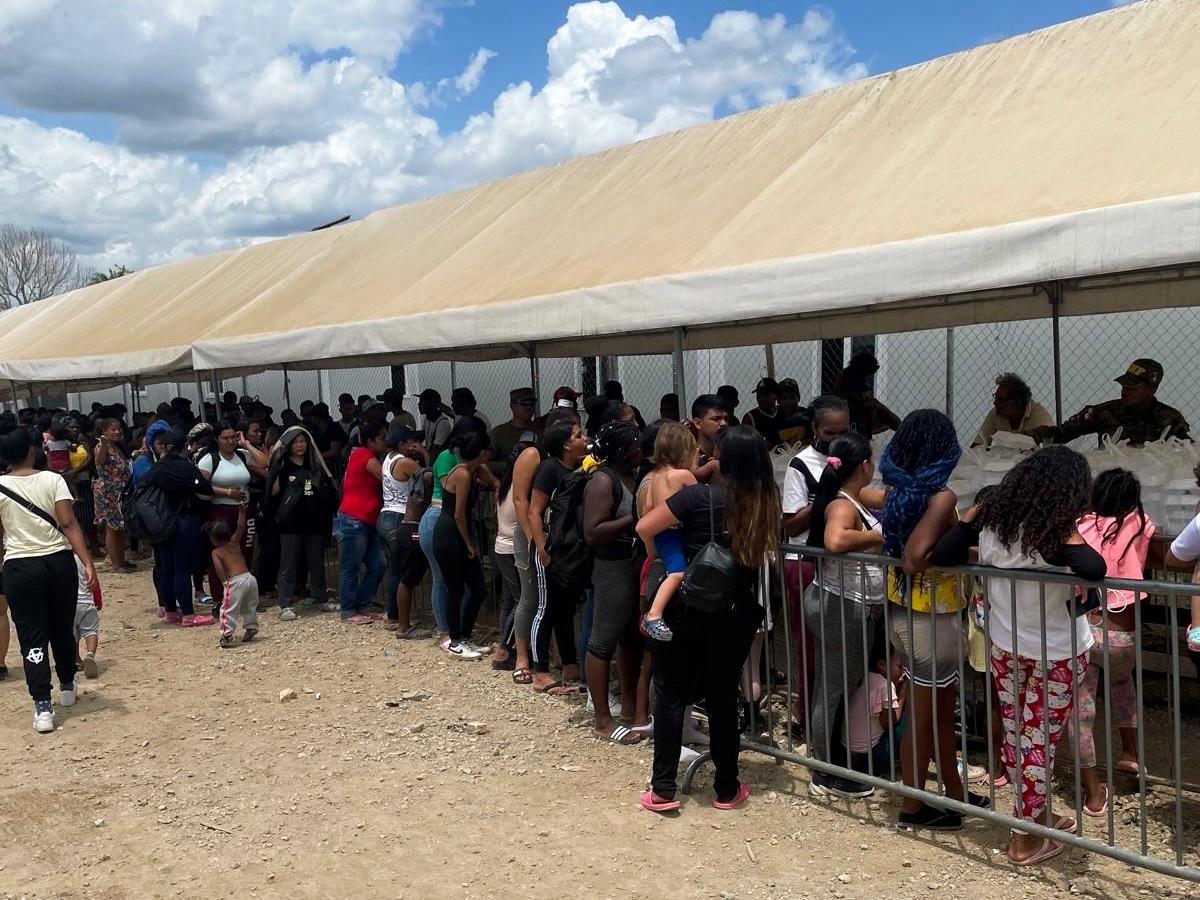
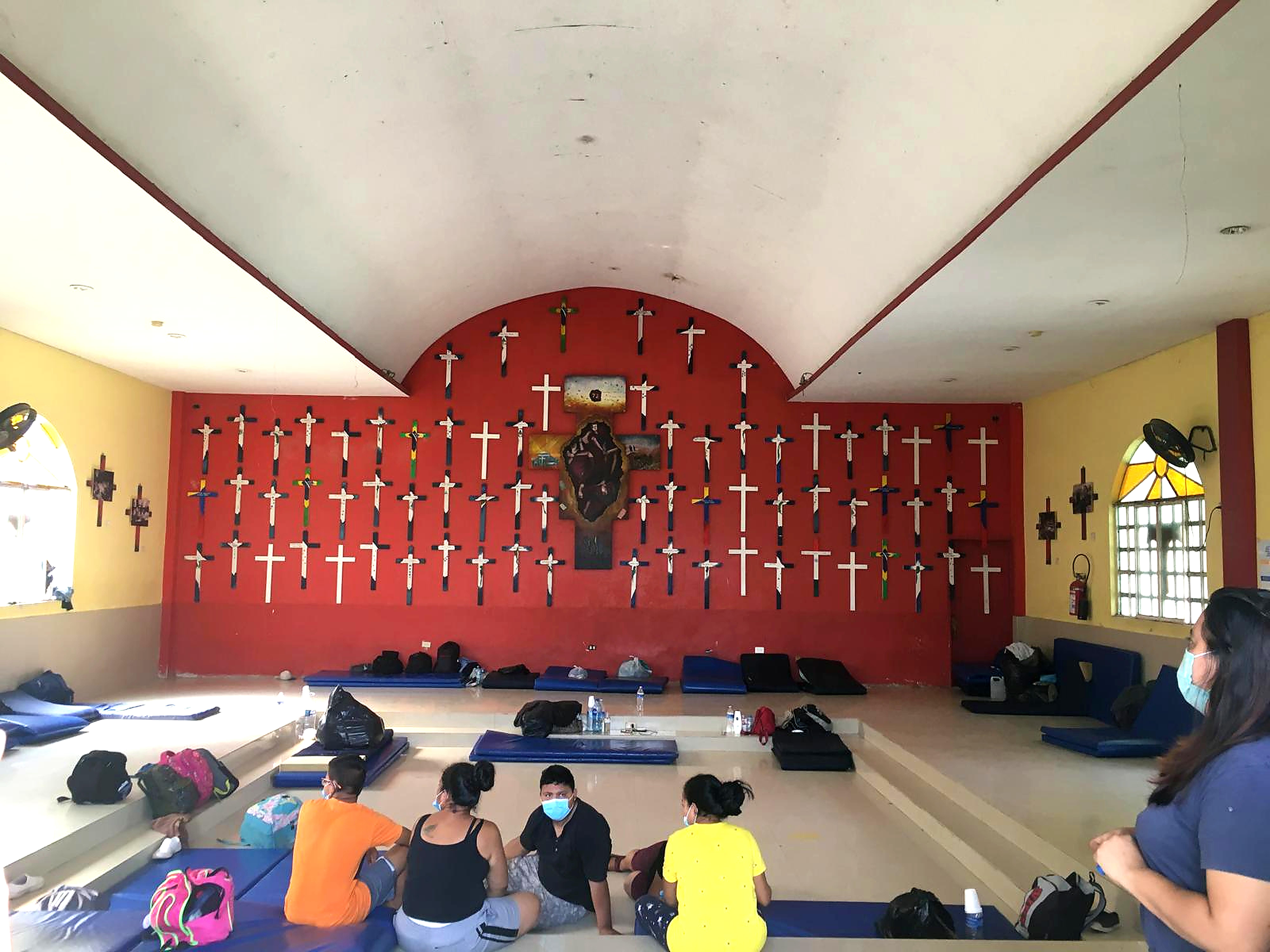
Quixote Center’s principal international partnership is with the Red Franciscana para Migrantes (RFM - Franciscan Network for Migrants). RFM connects Franciscan-run shelters and other humanitarian assistance programs for migrants who are making the dangerous trek through Mexico, Central America, and South America. We support RFM by

  • Serving as the fiscal sponsor for RFM within the United States and coordinating advocacy efforts with their staff. 
  • Providing on-going financial support to RFM programs in Panama, a particularly strategic and difficult migrant crossing point.
  • Offering capacity-strengthening funding to RFM teams, so far supporting teams in Colombia, Brazil, and Mexico. 

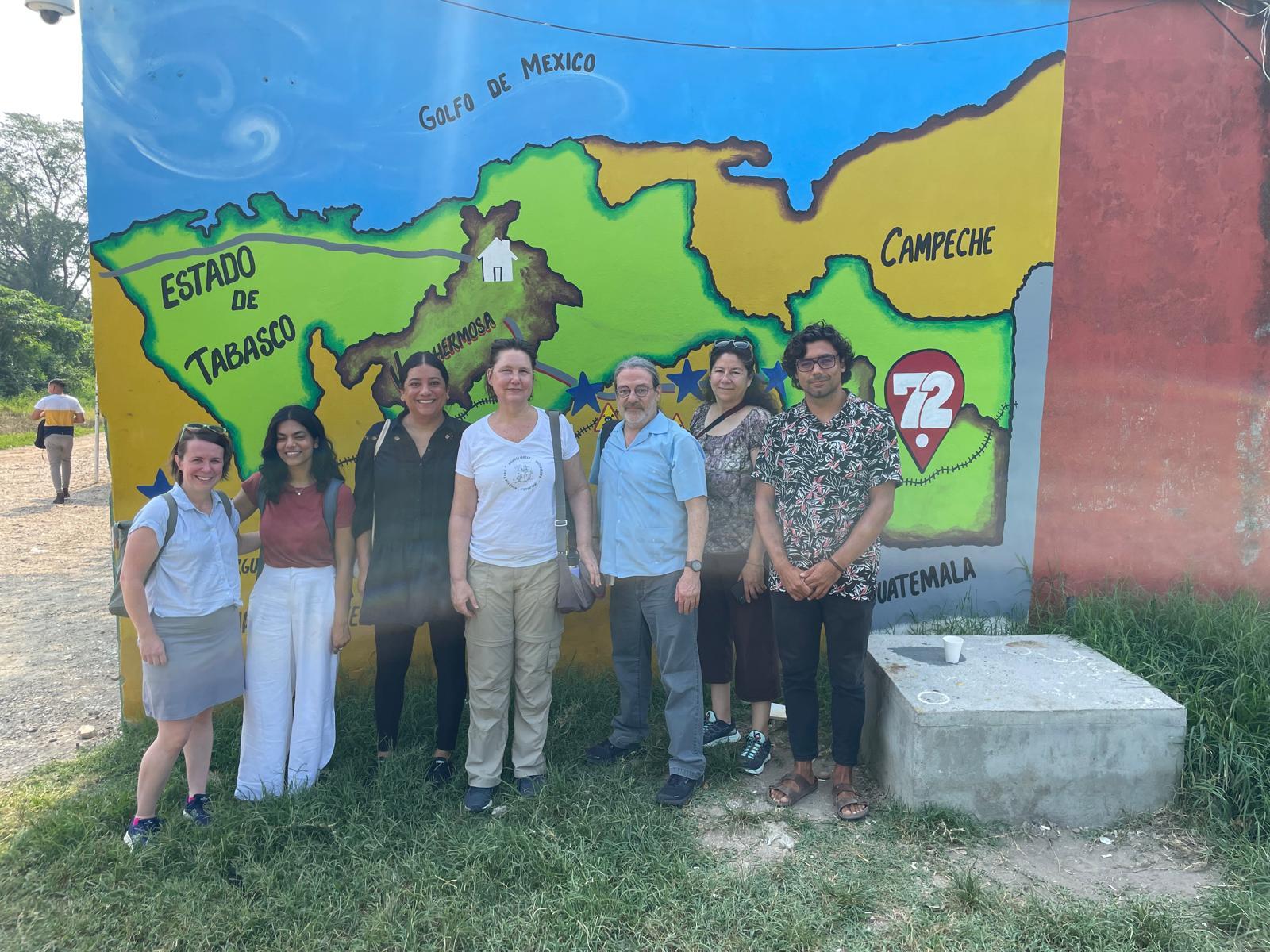
Quixote Center and RFM organize Solidarity Trips since 2022 as part of our advocacy and education mission, bringing U.S. based migrant justice activists and other professionals to Southern Mexico and Panama to see firsthand how the U.S. immigration impact the lives of hundreds of thousands of people fleeing their homelands to seek a new life, in the United States or elsewhere.

View our Between Borders video series .

Find out more about our Solidarity Travel Program .

Partners

RFM - Red Franciscana para Migrantes (Franciscan Network for Migrants)

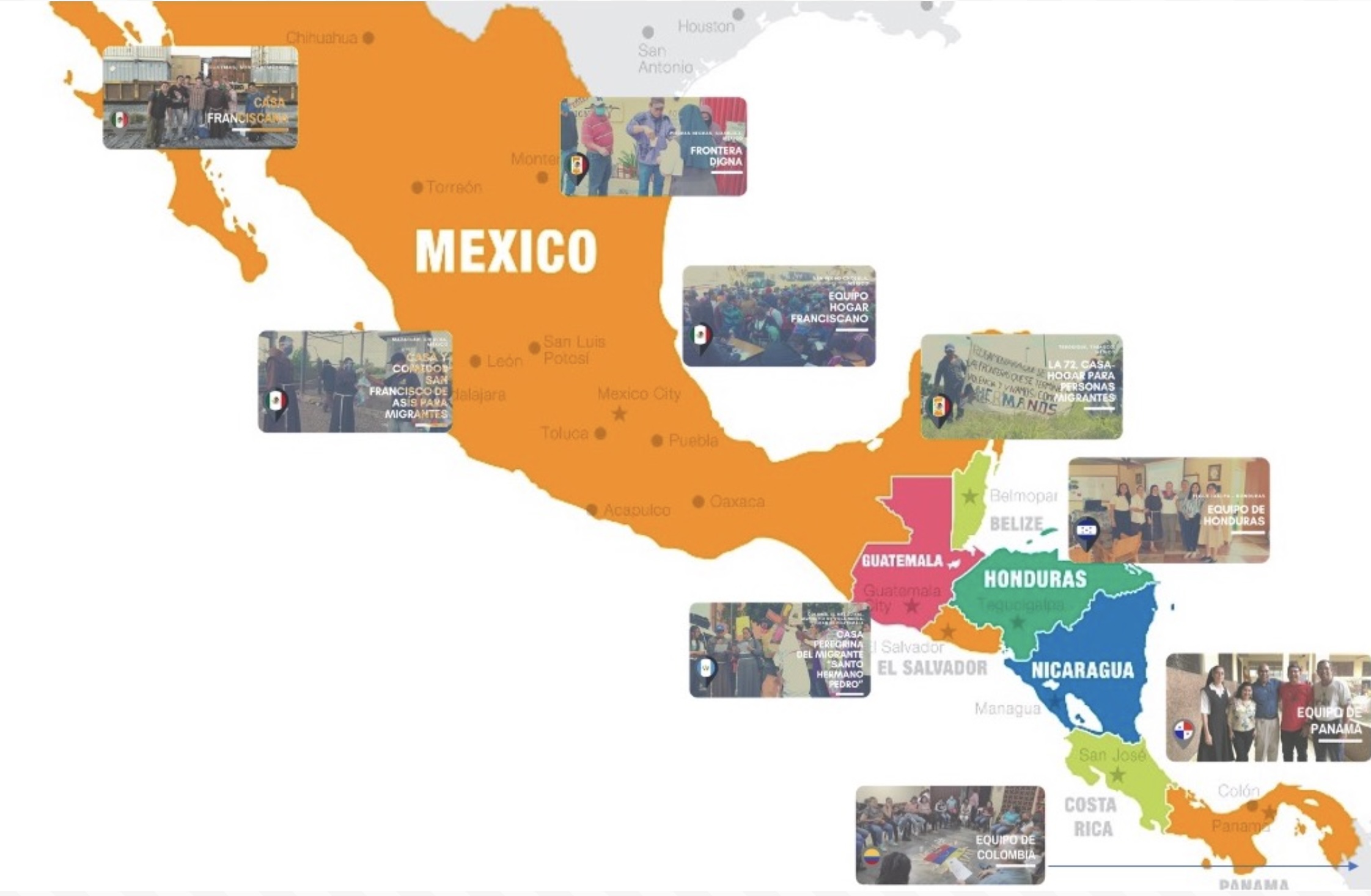
The Franciscan Network for Migrants (RFM) is a network of individuals and service centers across the Americas that, inspired by Franciscan spirituality, reach out to migrants to support, promote, protect, and defend their rights in their respective countries of origin, transit, and destination.

Location of Shelters in the Franciscan Network on Migration

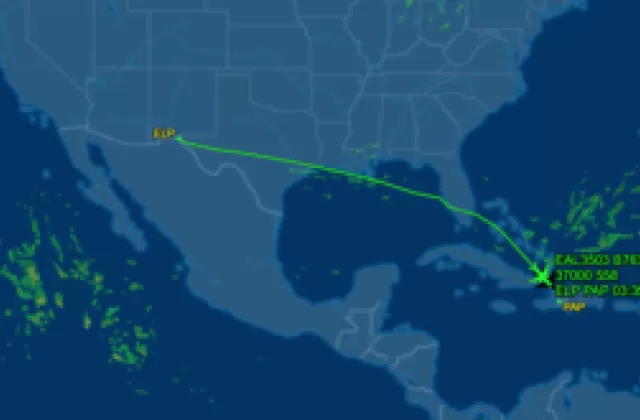
Flight Eastern 3503, taking Haitian refugees from El Paso to Port au Prince, Jan. 12, 2022.

Biden marks anniversary of earthquake by expelling more Haitian refugees

Twelve years ago today, a massive earthquake brought down buildings throughout the Port au Prince area, killing hundreds of thousands of people and displacing many more. As a result, January 12 is a national day of mourning in Haiti.

For the United States it is just another day to expel Haitian refugees - 443 Haitians were expelled today on three flights. 

Despite ongoing crises in Haiti, Biden keeps expelling Haitians from the US

On Monday, December 20, the Biden administration sent three removal flights back to Haiti, with over 340 people on them including 32 children. As we move into Christmas week the administration plans to send planes every day back to Haiti, except for Christmas eve. Since taking office, the Biden administration has removed over 14,000 people to Haiti; at least 11,100 since mid-September. 

Mexican Advocates Decry Conditions of Migrants in Puebla Sports Center

This week, our partners in Mexico released a statement denouncing the inhumane conditions in which migrants, including pregnant women and children, have been overcrowded in a sports center in Puebla, Mexico. To read the original statement in Spanish, click

TO THE FEDERAL, STATE, AND LOCAL AUTHORITIES 

MUNICIPALITIES OF THE STATE OF PUEBLA

Quixote Center Denounces Title 42 Extension & MPP Expansion

FOR IMMEDIATE RELEASE: December 7, 2021

CONTACT: info@quixote.org

Greenbelt, MD–On Friday, the CDC announced it would extend migrant expulsions under Title 42; and today, the Biden administration will return its first group under the Migrant Protection Protocols (MPP) 2.0, or “Remain in Mexico.” The Quixote Center condemns the continuation of both Trump-era policies. Though Biden promised to “end Trump’s detrimental asylum policies” on the campaign trail, he has continued to systematically deny migrants their right to asylum.

Mothers of Disappeared Migrants Travel to D.C. for Justice

On a brisk Tuesday morning, across from the white dome of the U.S. Capitol, a group of five women from Central America gathered to bring awareness to the hundreds of migrants who disappear each year while attempting to cross into the United States. Dressed in shawls and cute jackets, hair impeccably styled, any one of them could have been one of my tías, or my abuelita. Despite the October cold, the mothers stood tall—heads lifted high—as they recounted their stories. 

Pages