


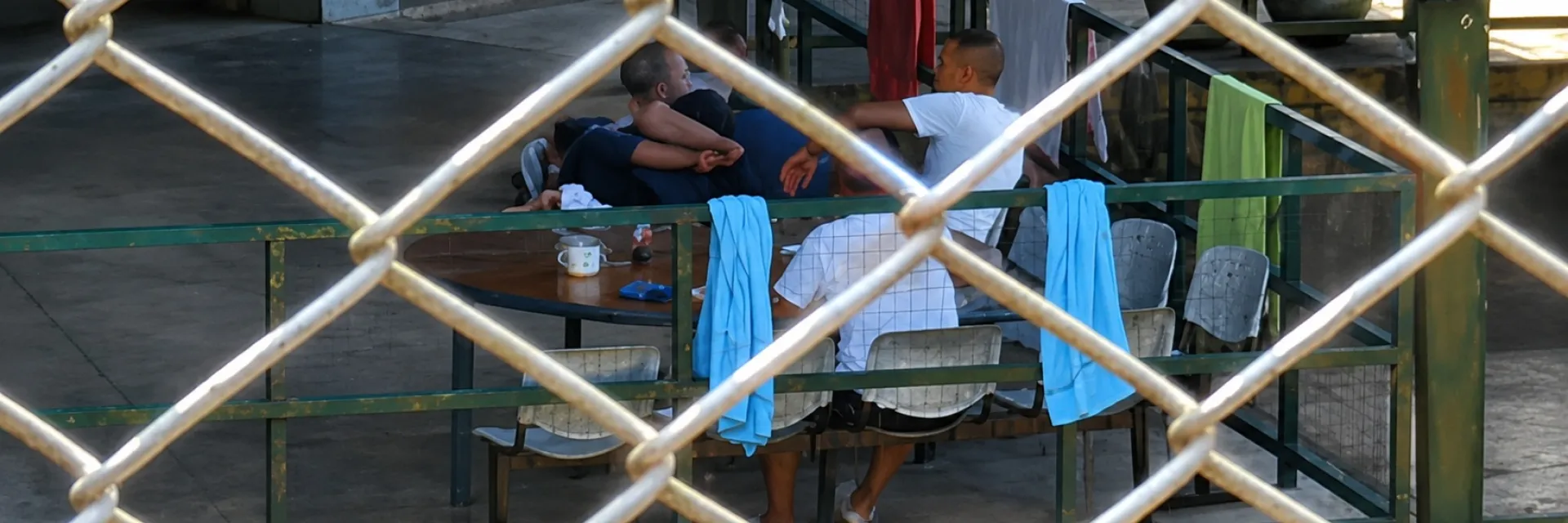


Hispanic Heritage Month: The Everyday Heroes of La 72
In celebration of Hispanic Heritage Month, we are highlighting leaders from Latin America that have dedicated their lives to promoting peace and justice.

Quixote Center recognizes migration as a fundamental human right under international law. In the United States, migrants strengthen our economy, enrich our culture, and strengthen our social fabric.
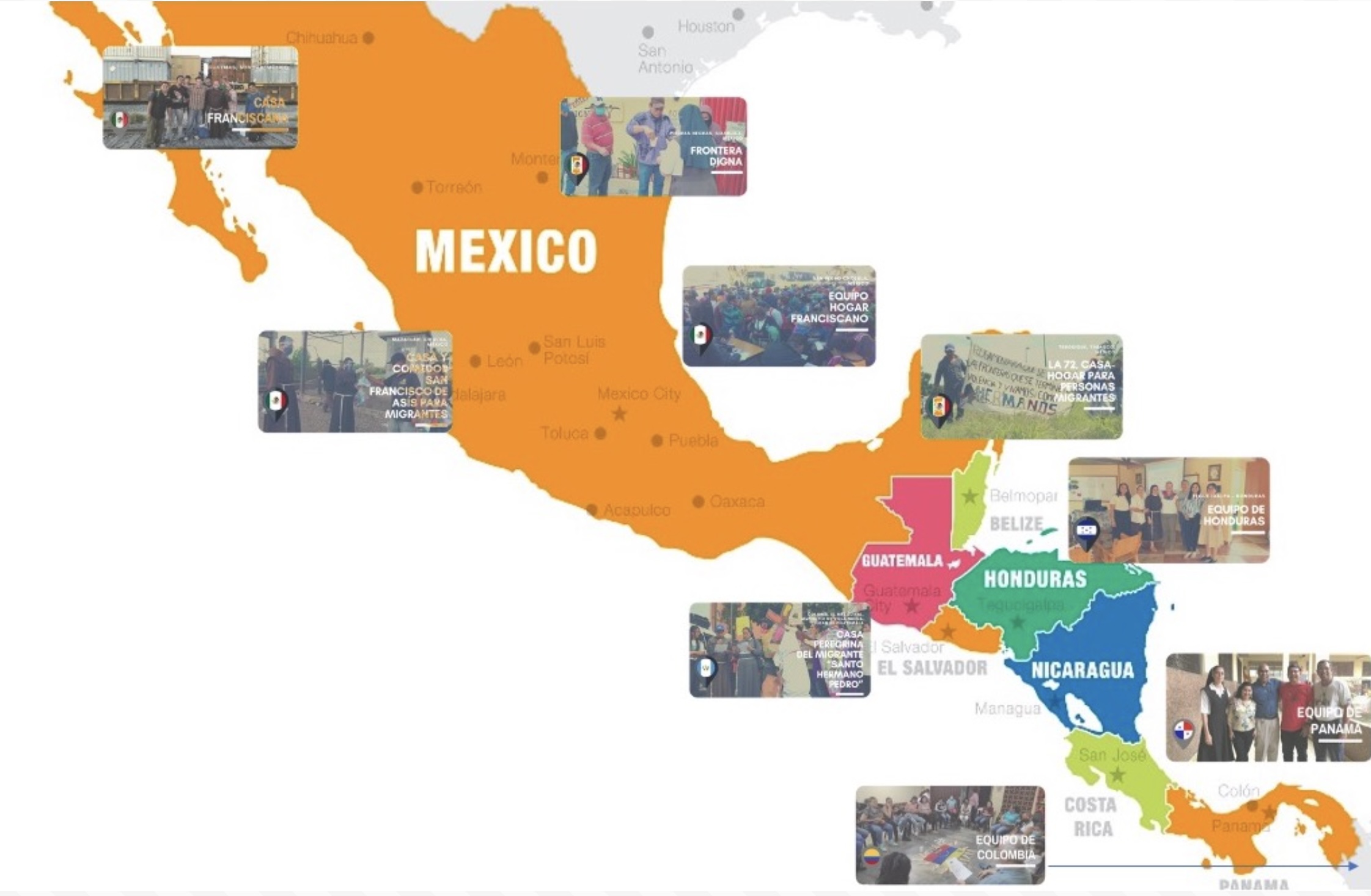
Quixote Center’s principal international partnership is with the Red Franciscana para Migrantes (RFM - Franciscan Network for Migrants). RFM connects Franciscan-run shelters and other humanitarian assistance programs for migrants who are making the dangerous trek through Mexico, Central America, and South America. We support RFM by
Quixote Center and RFM organize Solidarity Trips since 2022 as part of our advocacy and education mission, bringing U.S. based migrant justice activists and other professionals to Southern Mexico and Panama to see firsthand how the U.S. immigration impact the lives of hundreds of thousands of people fleeing their homelands to seek a new life, in the United States or elsewhere.
View our Between Borders video series HERE.
Find out more about our Solidarity Travel Program HERE.

In celebration of Hispanic Heritage Month, we are highlighting leaders from Latin America that have dedicated their lives to promoting peace and justice.

In mid-September of 2021 thousands of migrants began gathering at the Del Rio border crossing in Texas. The majority of the estimated 15,000 people who arrived over the course of a few days were from Haiti. The message from the Biden administration was clear: Don’t come! If you do, you will be sent back.

The United States Coast Guard is intercepting refugees from Haiti and Cuba and returning them back to their home countries in record numbers. As of August 12, 2022, the US Coast Guard had interdicted 6,812 Haitians since the current fiscal year began; over 4,000 Cubans have been intercepted as well.

On August 23rd, our partners at the La 72 migrant shelter commemorated the 12th year anniversary of the San Fernando Massacre. In 2010, 72 migrants were massacred by the Las Zetas cartel in El Huizachal in the municipality of San Fernando, Tamaulipas, Mexico. The San Fernando massacre was one of a series of mass killings that made clear how dangerous the journey through Mexico had become for migrants.

UPDATE: The DC Attorney General's office, whose funding is separate from that of the mayor's office, has announced a grant program of $150,000 to aid nonprofits leading the welcoming response. We welcome this news, but unfortunately this level of funding is still woefully inadequate to meet the needs of mutual aid groups.

Washington DC – The Quixote Center celebrates victories against two Trump-era policies: the defeat of Congressional amendments aimed at extending Title 42, and the effective end of the “Remain in Mexico” program.

Two days before the Quixote Center trip to Mexico, a local journalist called me. Louisiana legislators had just drafted a proposal allowing teachers to bring guns to school, and the press wanted a comment from a local teacher. Just ten days after the Uvalde shooting, leaders hastily crafted legislation to demonstrate their resolve in preventing such tragedies in Louisiana.
“As an educator and a parent, Ms. Molina,” said WDSU's anchorman Sherman Desselle. “What's your response to this proposal?”
One year ago today Haiti's acting president, Jovenal Moïse, was assassinated in his own home. A group of two-dozen mercernaries, most apparently hired from Colombia, were arrested in the days following Moïse's murder, but the story of who was ultimately behind the plot to kill Moïse continues to unfold.

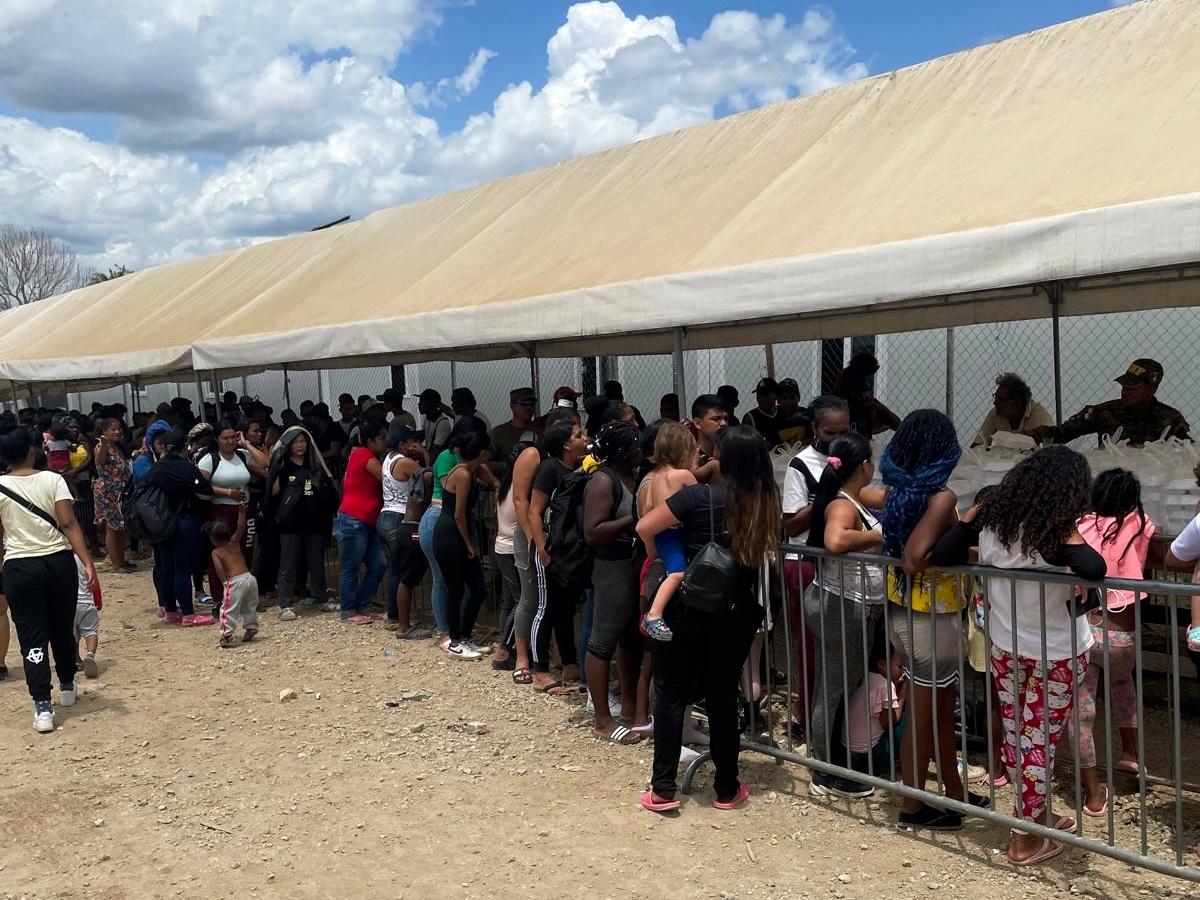
In June, I had the opportunity to visit migrant shelters operating under the Franciscan Network on Migration, a Quixote Center partner, in southern Mexico. No two shelters were alike. To walk across the threshold was to enter a new kind of haven, each beautiful and kinetic in its own way. La 72 in Tenosique seemed always to be bursting with energy, with some migrants entering and leaving the shelter in just a day, and others staying long-term as they worked to determine their next steps and heal.
[gallery size="medium" ids="10479,10477,10478"]
The following is a translation of a statement by our partners at the Franciscan Network on Migration on the tragedy in Texas, in which 53 migrants were found dead. To read the original statement in Spanish, click HERE.
For Immediate Release: June 30, 2022
Contact: Alexandra Gulden, alexandra@quixote.org

SCOTUS Ruling on “Remain in Mexico” Win for Migrant Communities, but Must Not Lead to Increased Detention
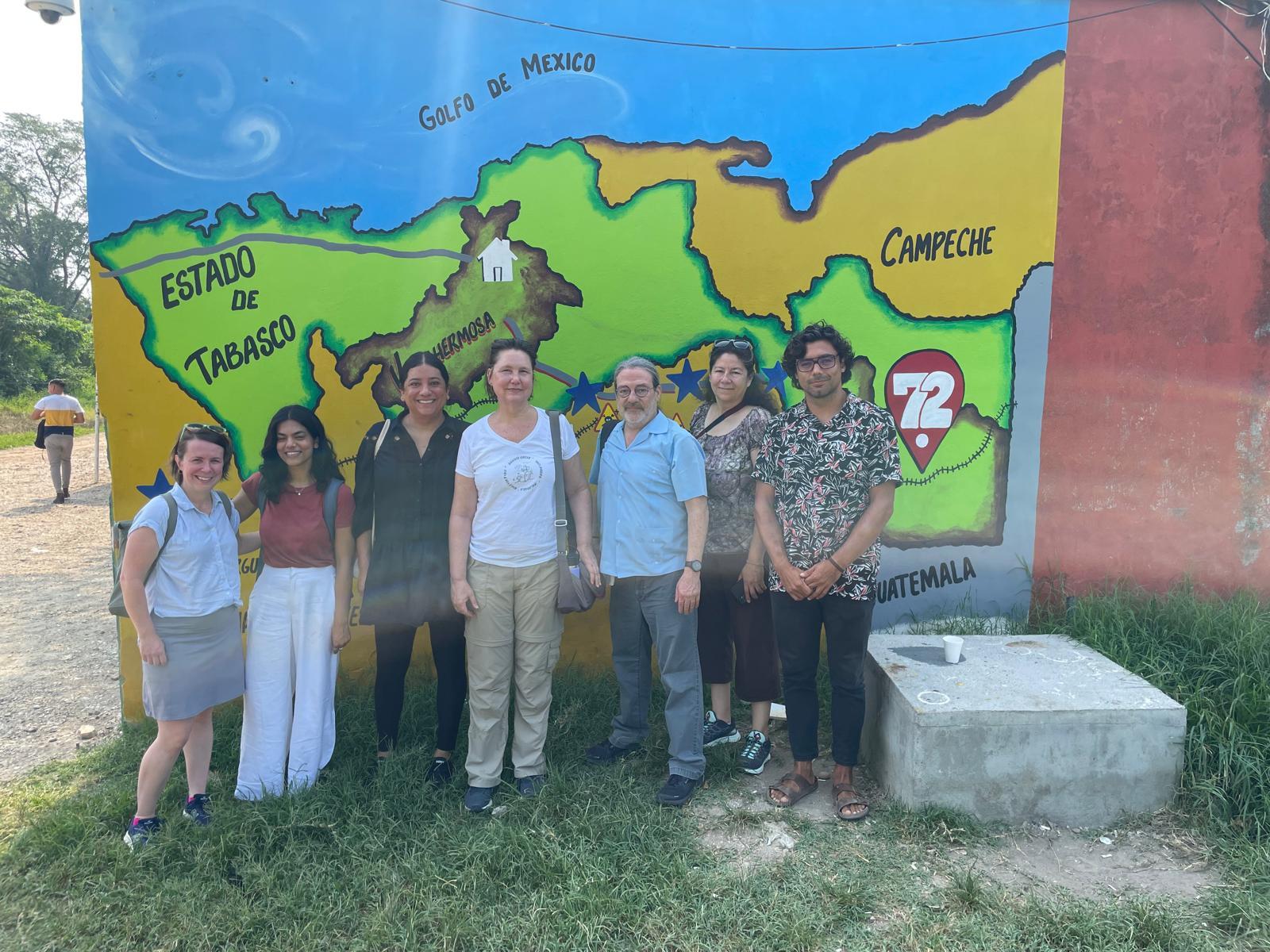
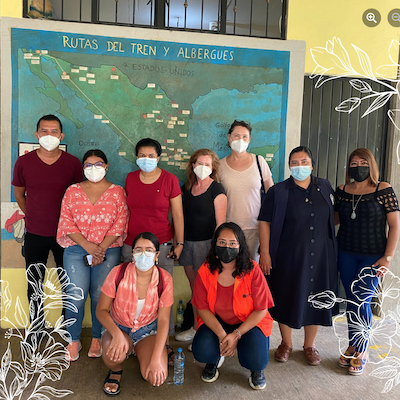 Delegates with staff at La72[/caption]
The heat was the first thing I noticed upon arrival in Tenosique, the location of La72, one of the largest shelters in the Franciscan Network on Migration, a Quixote Center partner. March to May are the hottest months, but in early June the heat was still oppressive, even without much humidity. Imagine walking miles every day in that heat.