

Quixote Center Statement on New U.S-Caribbean Initiatives
FOR IMMEDIATE RELEASE: June 15, 2023
Contact: alexandra@quixote.org | 301-699-0042
Quixote Center’s work in Haiti prioritizes systemic change. Our theory of change has three aspects:

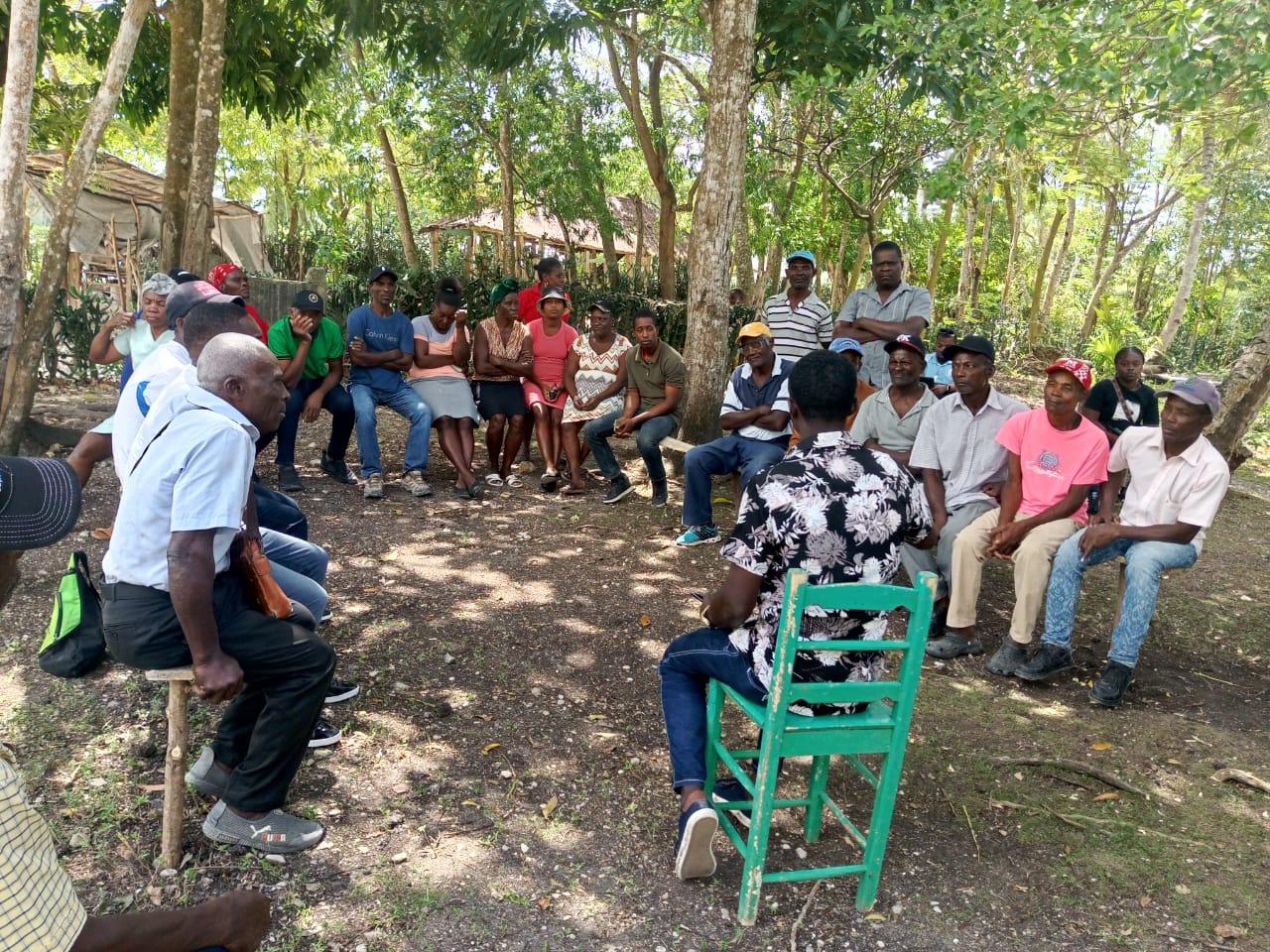
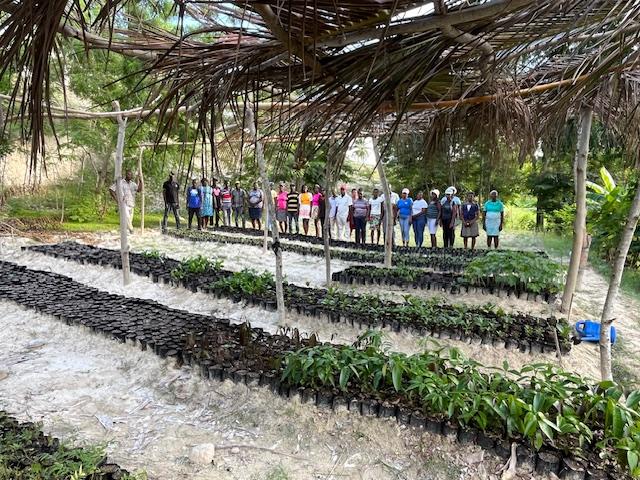
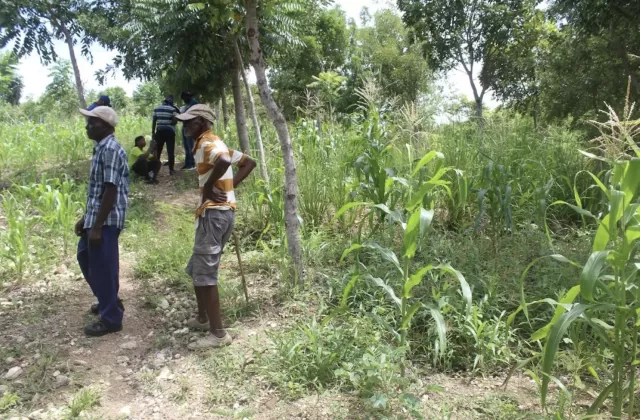
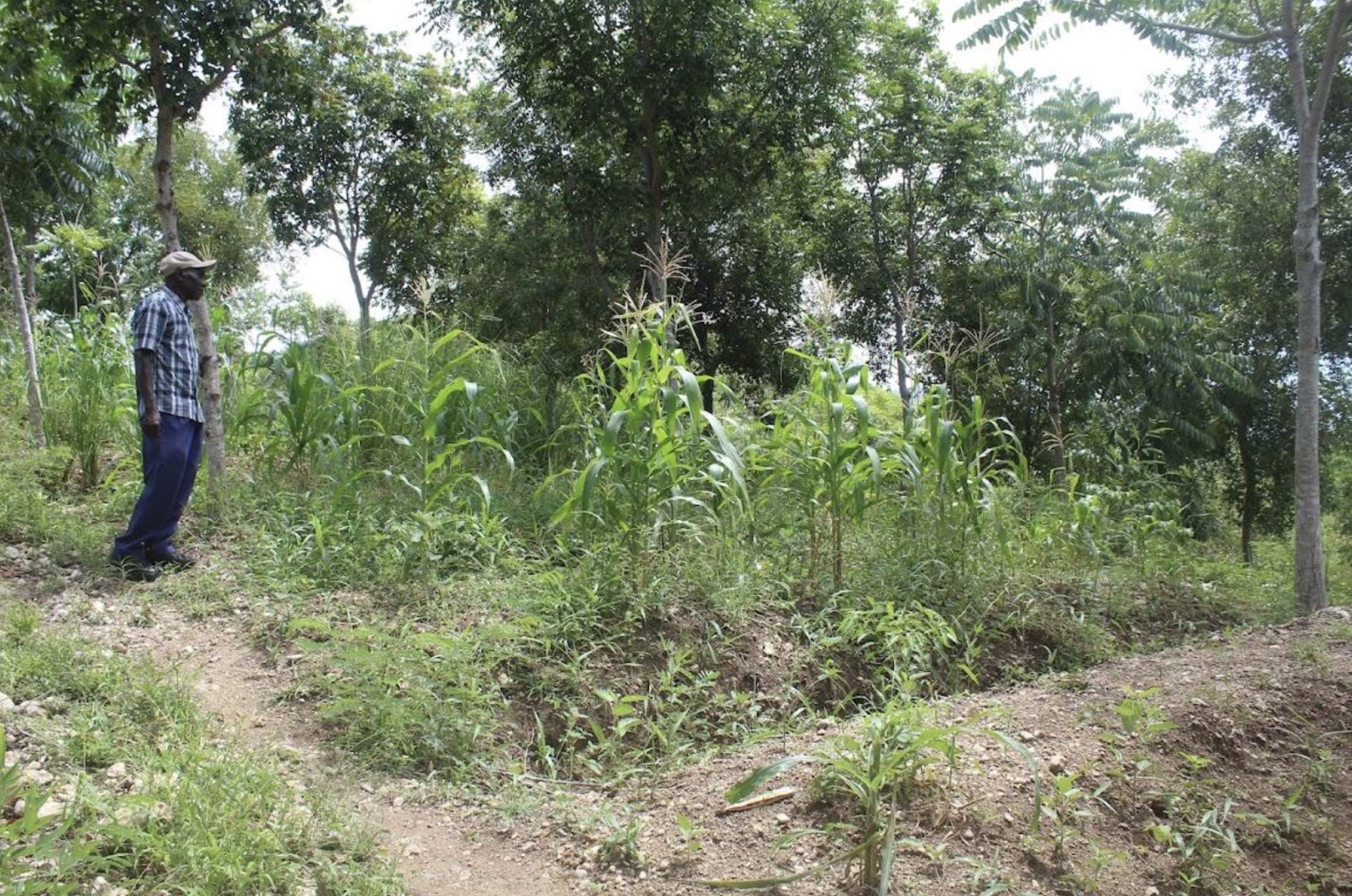
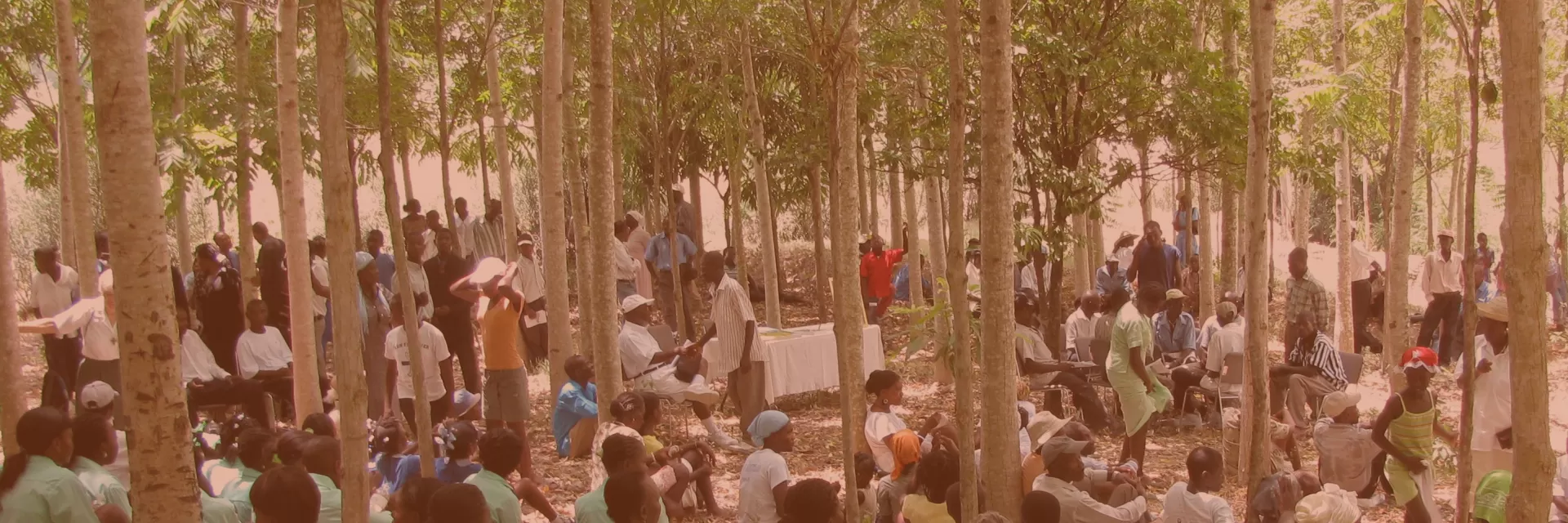
Quixote Center partners with the Montfortain Fathers for a variety of projects in the Gros Morne area. Historically we have supported the Jean Marie Vincent Formation Center, which houses a tree nursery, a model instructional garden and multiple classrooms for training small-scale farmers. With our support, the JMV Center also maintains the Tet Mon model forest, a reforestation project that is the only one of its kind in the region. The JMV team holds formation sessions on reforestation and tree maintenance for local leaders, schoolchildren, and agronomy students.
Quixote Center also partners with the Montfortain-led LaChandle parish to support displaced people who fled to the Gros Morne area as a result of internal violence or deportations. With our support, the parish has sponsored programs to keep children in school and provide child-safe spaces to prevent gang recruitment. We have also provided cash assistance for the parents so that they can start small businesses and stabilize their income.
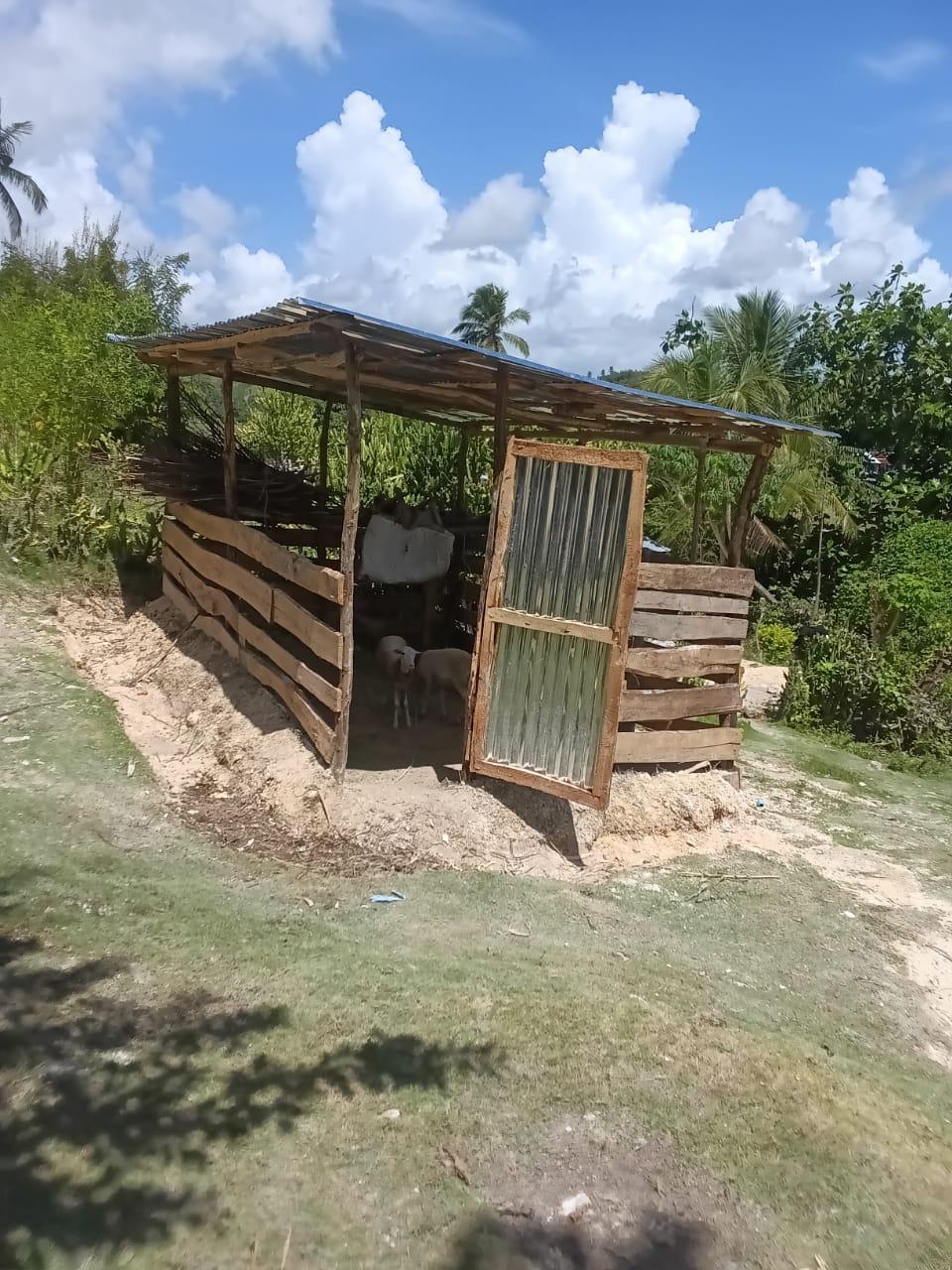
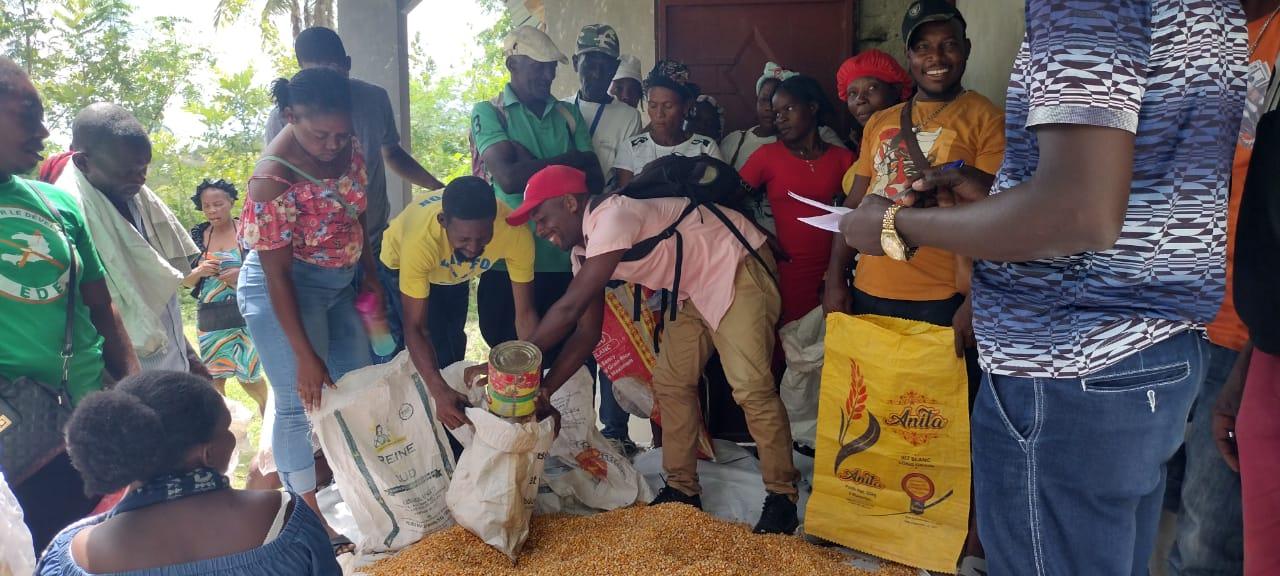
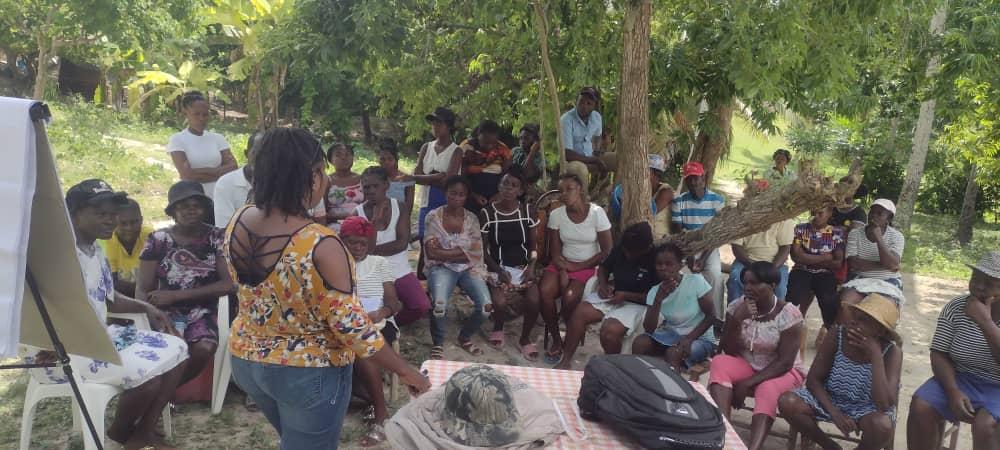
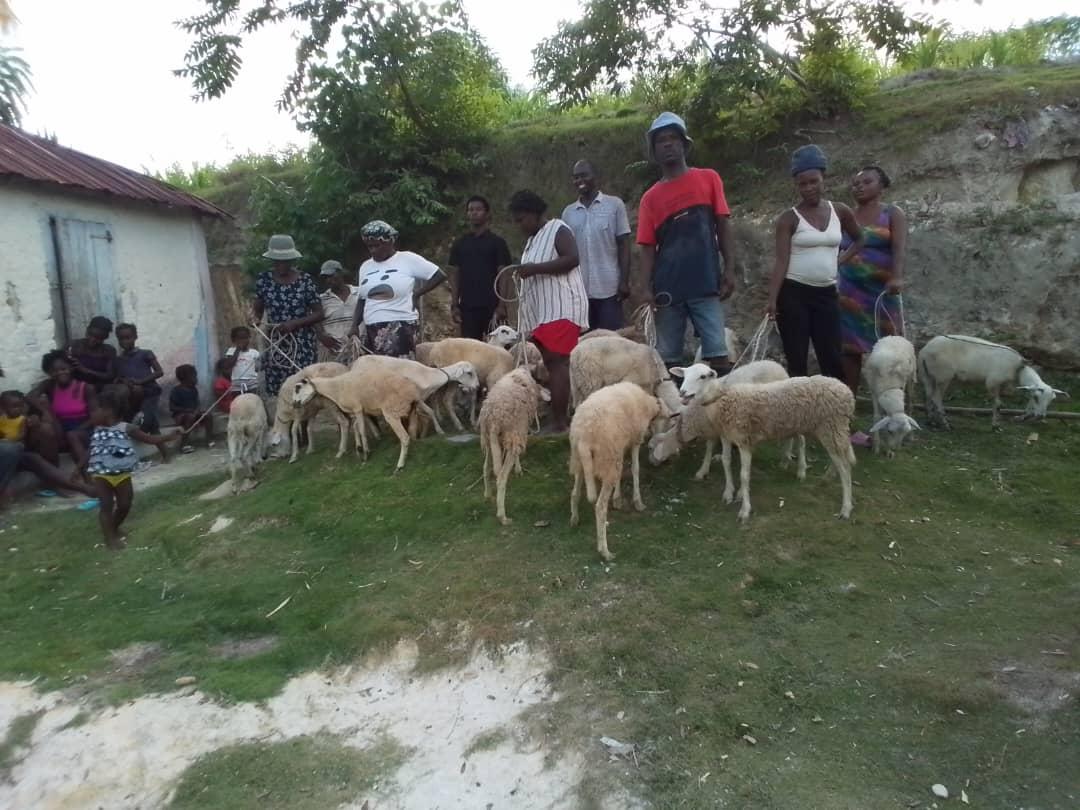
DCCH, a member of Caritas, partnered with Quixote Center in 2023 to conduct a needs assessment among rural communities around Les Cayes to identify investment priorities. After consulting with hundreds of community members through interviews and focus groups, together we designed a project that provides targeted investments in agroecological training, animal care, and women empowerment through microloans and small business ventures. In 2025, we launched the Socio-Economic Recovery Program as a scalable and replicable pilot project working with 100 rural families reaching up to 1000 people. This community-led initiative aims to improve their income and food security while building resilience and eliminating dependence on outside assistance. DCCH distributes seeds and livestock as loans where recipients return the same quantity of seeds and the first offspring to the program for redistribution. In 2026 we included an additional 100 families.
Read the final report from the 2025 pilot HERE.
FOR IMMEDIATE RELEASE: June 15, 2023
Contact: alexandra@quixote.org | 301-699-0042
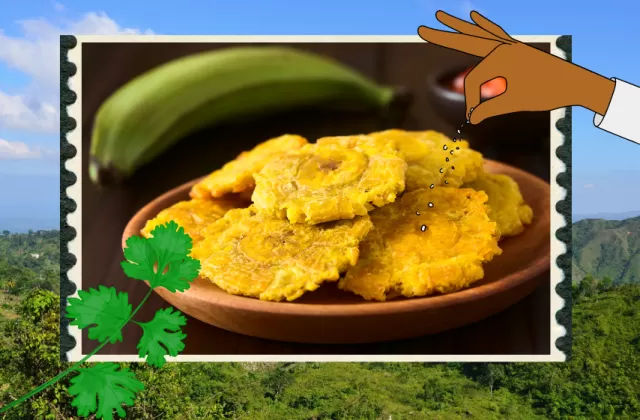
Plantains are a staple throughout Haiti, often served with the traditional griot (fried pork) or pikliz, a spicy slaw, which you can learn to make HERE.
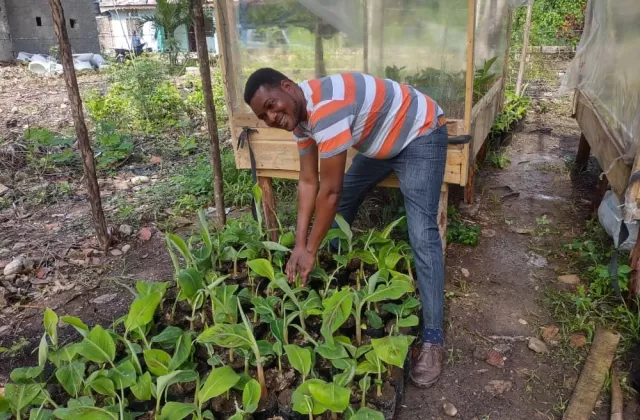
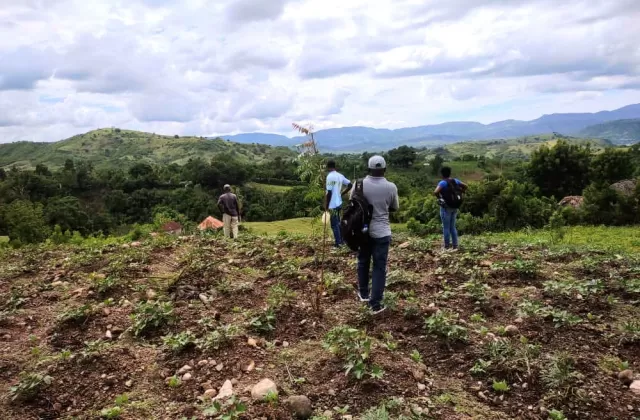
We have experienced some unexpected weather patterns in Gros Morne during the past few months, which matches issues we have faced in the past few years. Due to high winds and a lack of rain, farmers in many different areas of the Gros Morne region were not able to take advantage of the start of the regular spring planting season again this year. Small farmers are more vulnerable to these climatic changes because it is more difficult for them to shift to a different garden crop with a different growing season.
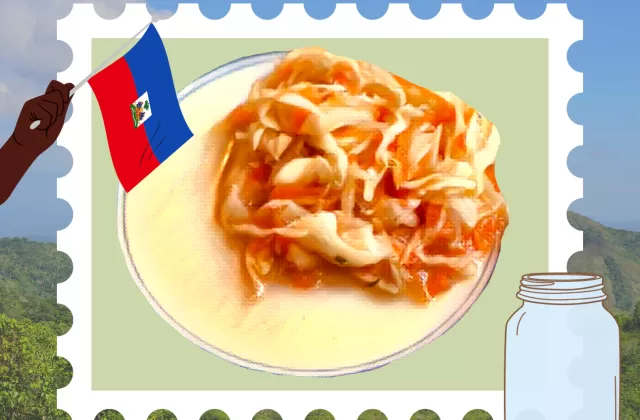
Haitian Pikliz Recipe
1 cup of Shredded Green Cabbage
1 Scotch Bonnet Pepper thinly sliced
1 shredded Carrot
1 thinly sliced onion
1 tsp of sea Salt
1/4 cups apple cider vinegar
2 tablespoons of extra virgin olive oil
Combine in a bowl the cabbage, carrots, yellow onion, pepper, salt and mix all of the ingredients together. Add the vinegar and extra virgin olive oil and let stand for ½ hour and serve, or store in a large air-tight jar and refrigerate.

By Kim Lamberty
This month we honor Haitian culture and history through observing Haitian Heritage Month. May 18 is Haitian Flag Day, the day that Black and mixed-race Haitians united their forces against the French colonial army, paving the way to its defeat. It is also the day, in 1803, that formerly enslaved Haitians ripped the white out of the red, white and blue flag, to create the first red and blue Haitian flag.
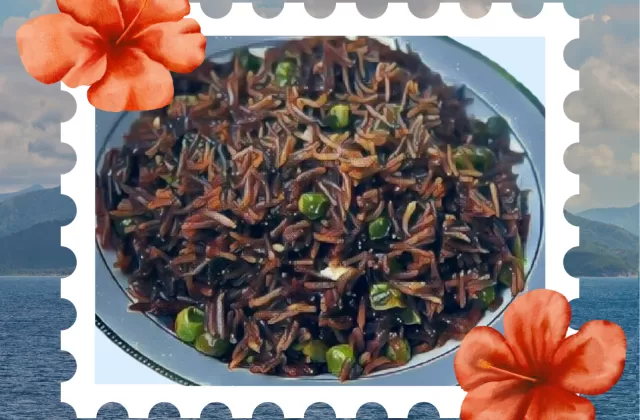
This recipe was submitted by an anonymous supporter.
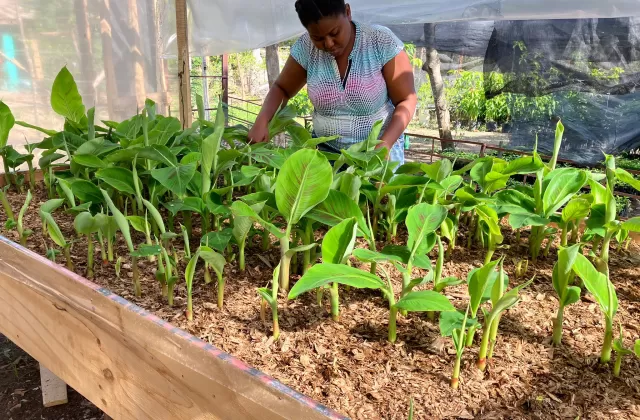
This Earth Day, we’re celebrating our partners at the Grepen Center in Gros Morne, Haiti, who
This contributor is a strong activist in their local Haitian community and has requested to remain anonymous.
“I come as one, but I stand as 10,000.”
By Kim Lamberty
There is a reason that Quixote Center supports small-scale farmers in Haiti.