
State of Immigration in the United States (Part 2 of 3)
Who is allowed into the United States?
You can find Part 1: Who Are We Detaining and Deporting HERE.
Asylum Ban

Quixote Center recognizes migration as a fundamental human right under international law. In the United States, migrants strengthen our economy, enrich our culture, and strengthen our social fabric.
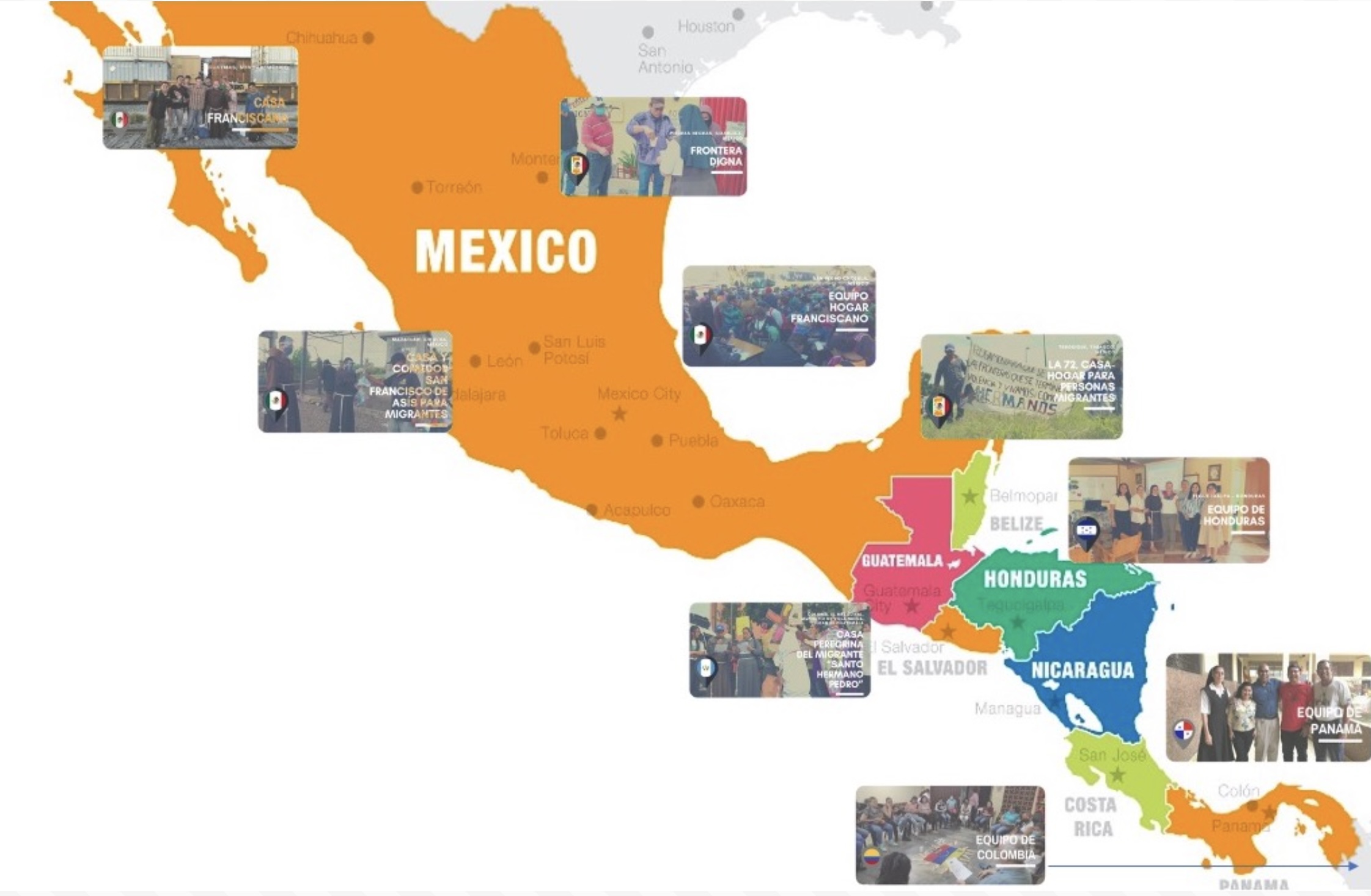
Quixote Center’s principal international partnership is with the Red Franciscana para Migrantes (RFM - Franciscan Network for Migrants). RFM connects Franciscan-run shelters and other humanitarian assistance programs for migrants who are making the dangerous trek through Mexico, Central America, and South America. We support RFM by
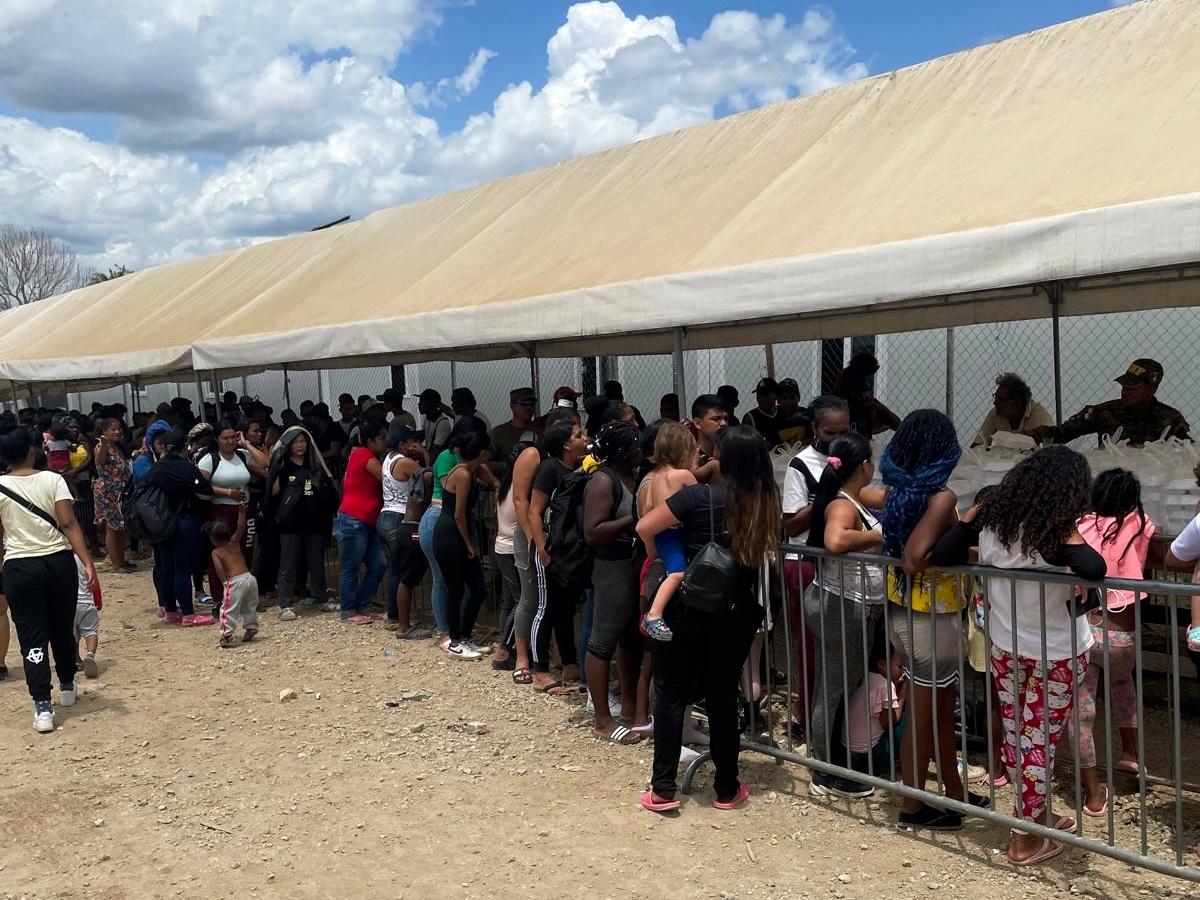
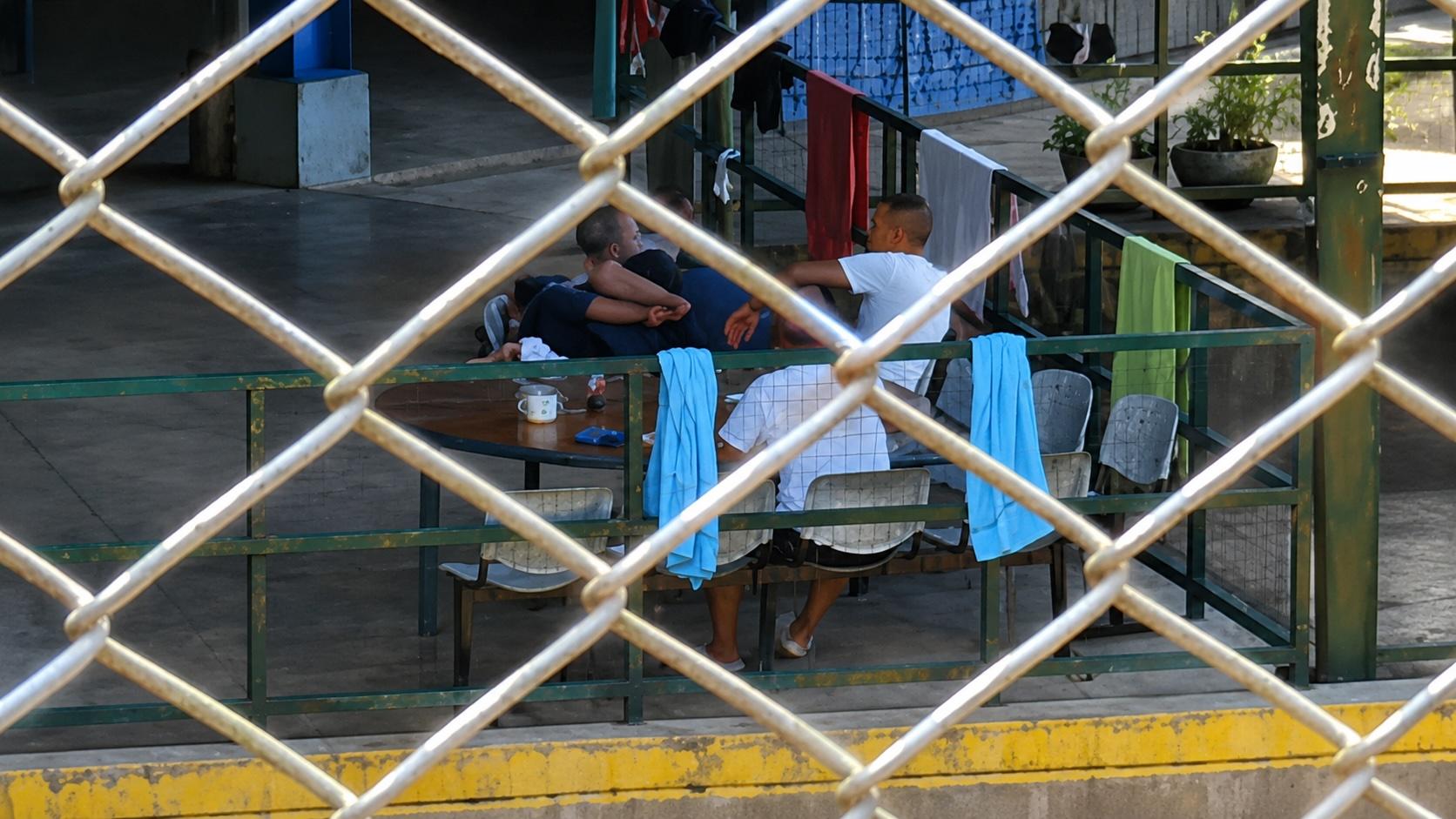
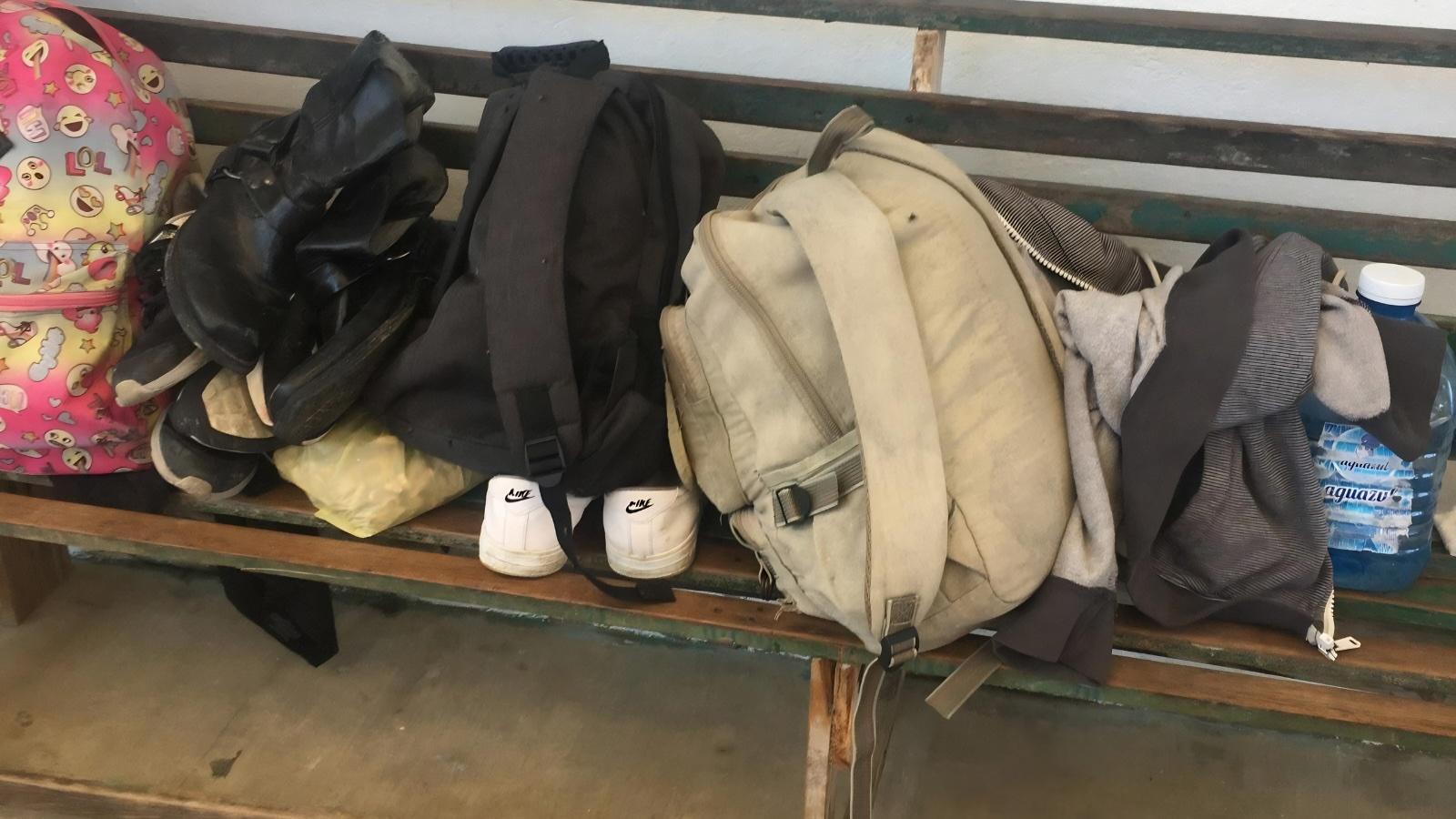
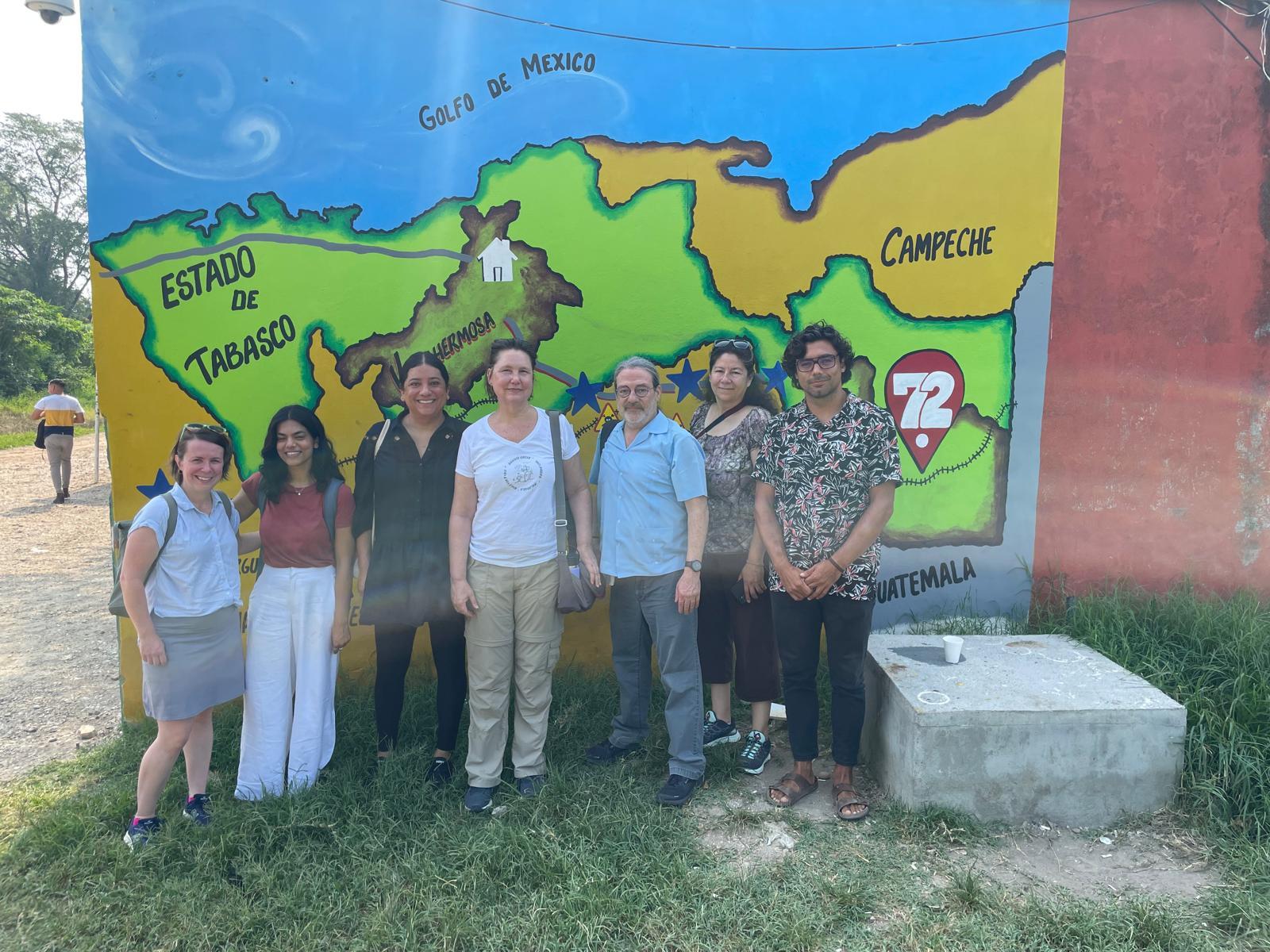
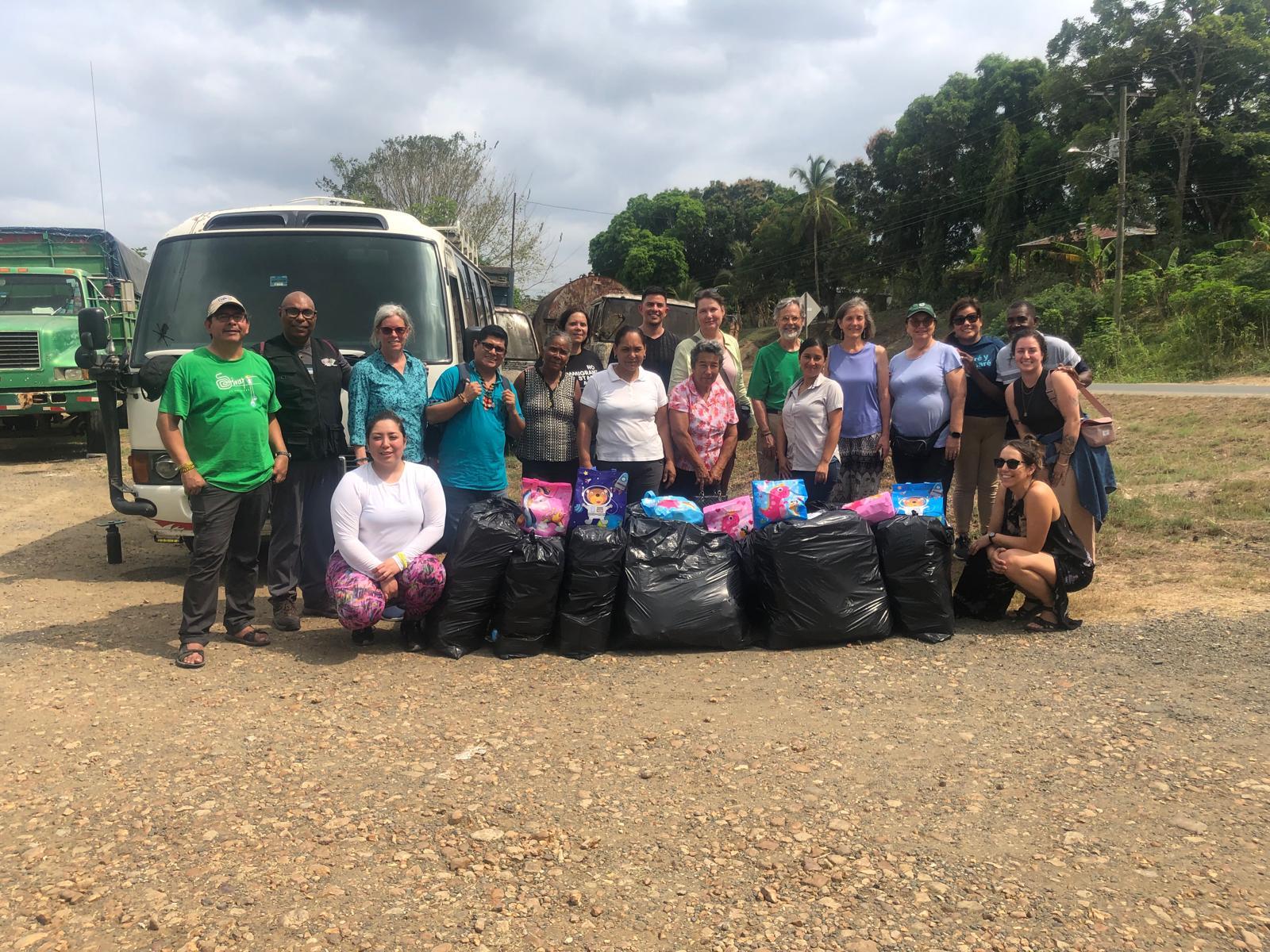
Quixote Center and RFM organize Solidarity Trips since 2022 as part of our advocacy and education mission, bringing U.S. based migrant justice activists and other professionals to Southern Mexico and Panama to see firsthand how the U.S. immigration impact the lives of hundreds of thousands of people fleeing their homelands to seek a new life, in the United States or elsewhere.
View our Between Borders video series HERE.
Find out more about our Solidarity Travel Program HERE.

Who is allowed into the United States?
You can find Part 1: Who Are We Detaining and Deporting HERE.
Asylum Ban
If you’ve had a hard time keeping track of the policy developments and accompanying judicial stays related to immigration, you are not alone. This blog series is meant to provide an overview of the anti-immigrant policies enacted by the current administration, highlight data collected so far by respected organizations, provide a realistic sense of how this administration is likely to continue on immigration, and lift up areas of resistance and activism.

Despite the tone of emergency we see in the news about the number of people migrating to the United States, other countries in Latin America are receiving and resettling the vast majority of people migrating in our hemisphere.
The news is full of talk about trade agreements. For decades, US trade policies have been designed to benefit corporations while hurting workers in the United States and elsewhere. Will new tariffs and trade agreements make things better or worse? As of this writing, it is too soon to know.
The deportation agenda comes with a price tag--and a payout.

Since the current US administration took power in January, migration trends have shifted dramatically, resulting in a reverse flow southward. 85% of reverse flow migrants cite the new hostile US migration policies as the reason for their return, perceiving that migration to the north is no longer possible.

On May 30, 2025, the Supreme Court ruled that the administration could terminate the Biden-era humanitarian parole program known as CHNV, which allowed more than 500,000 people from Cuba, Haiti, Nicaragua, and Venezuela to enter the United States and remain temporarily for a period of two years.

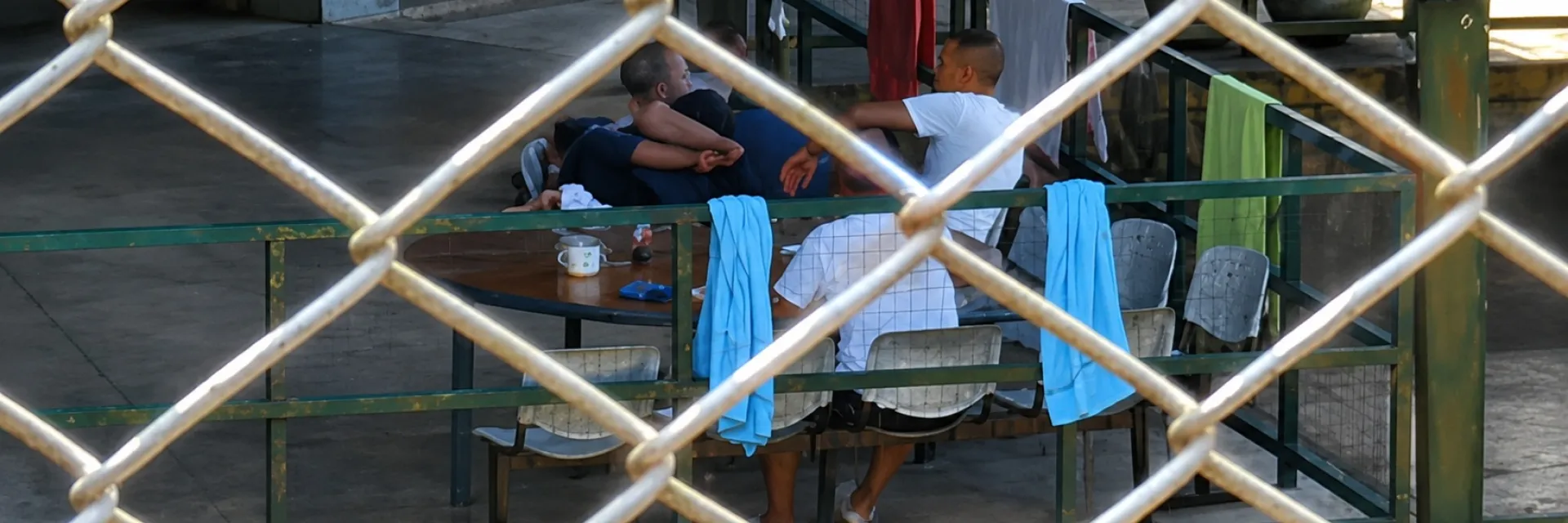
On March 15, the United States government forcibly disappeared over 200 Venezuelans to a maximum security prison in El Salvador based on unproven allegations that they were members of Tren de Aragua, a Venezuelan organized crime group.
“Apparently nobody wants to know that contemporary history has created a new kind of human beings – the kind that are put in concentration camps by their foes and in internment camps by their friends.” – Hannah Arendt (1)
More than half of the people in Haiti are facing severe hunger, with at least 8,000, specifically among those displaced and living in tent camps, facing starvation. Gang violence killed 5600 people in 2024, with more than one million people displaced. The violence, death, hunger and displacement are a result of weak U.S. gun laws and weak enforcement that enriches manufacturers and dealers and enables illegal gun trafficking across the Caribbean.