
Recording of Newtown Action Alliance virtual event
Newtown Action Alliance Lunch & Lobby on the ARMAS Act
March 2nd, 2026 at 12:00pm & 8:00pm EST
Watch the recording of this virtual event HERE

Quixote Center recognizes migration as a fundamental human right under international law. In the United States, migrants strengthen our economy, enrich our culture, and strengthen our social fabric.
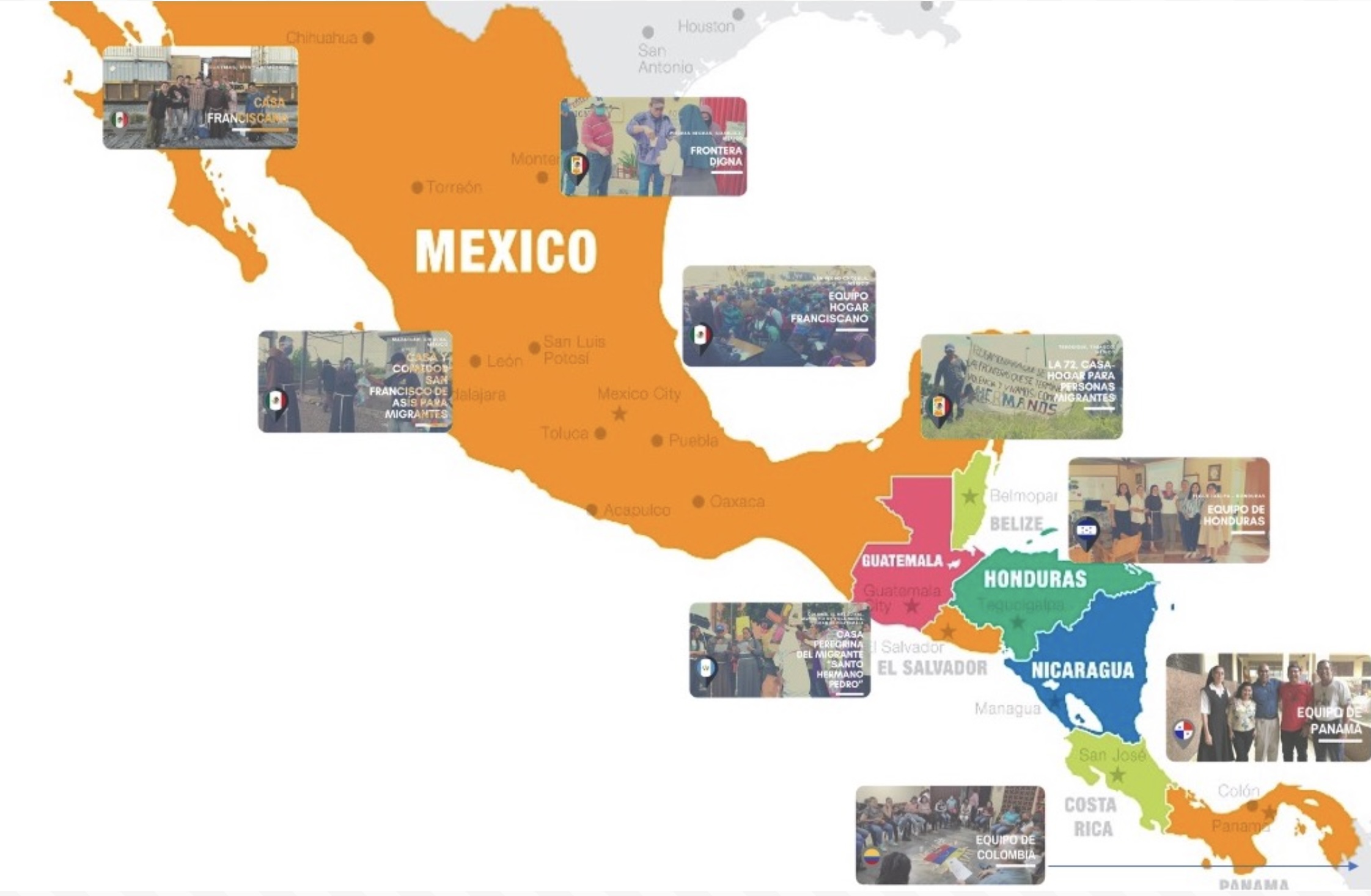
Quixote Center’s principal international partnership is with the Red Franciscana para Migrantes (RFM - Franciscan Network for Migrants). RFM connects Franciscan-run shelters and other humanitarian assistance programs for migrants who are making the dangerous trek through Mexico, Central America, and South America. We support RFM by
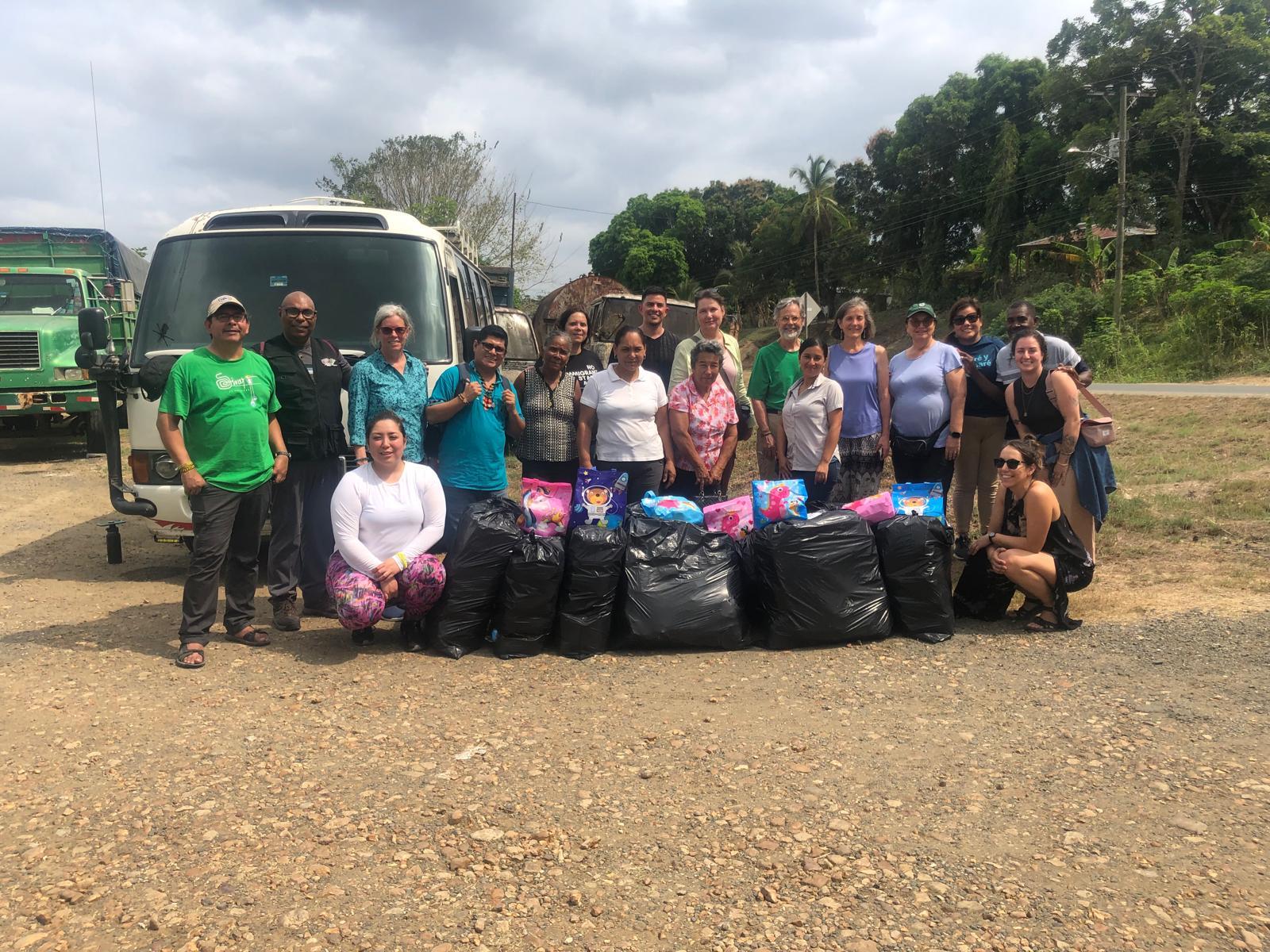
Quixote Center and RFM organize Solidarity Trips since 2022 as part of our advocacy and education mission, bringing U.S. based migrant justice activists and other professionals to Southern Mexico and Panama to see firsthand how the U.S. immigration impact the lives of hundreds of thousands of people fleeing their homelands to seek a new life, in the United States or elsewhere.
View our Between Borders video series HERE.
Find out more about our Solidarity Travel Program HERE.

Newtown Action Alliance Lunch & Lobby on the ARMAS Act
March 2nd, 2026 at 12:00pm & 8:00pm EST
Watch the recording of this virtual event HERE
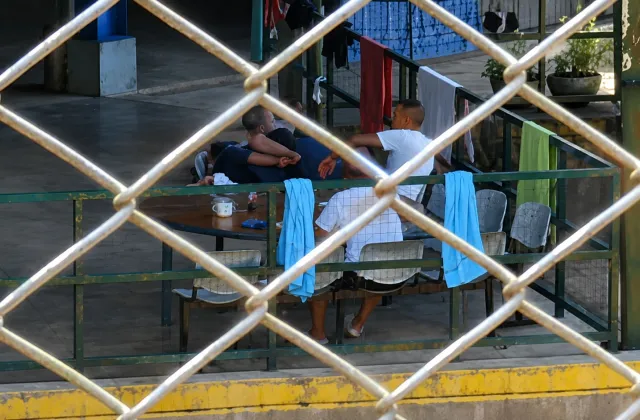
Participants from our March 2025 trip to Panama hosted a webinar titled Stranded and Forgotten. You can listen to it HERE.
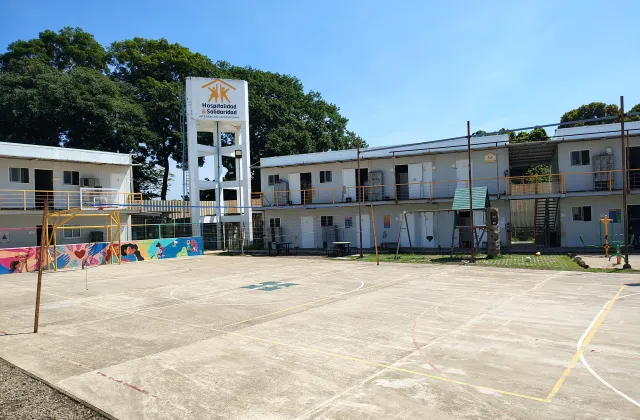
During the final days of Quixote Center’s trip to southern Mexico, we visited Tapachula, Chiapas, just 30 minutes from the Guatemalan border. Over the past several years, Tapachula has become a major immigration processing hub. Because the United States has all but halted processing of asylum and refugee applications, significant numbers of migrants are choosing to stay in Mexico, either permanently, or until they can enter the United States.
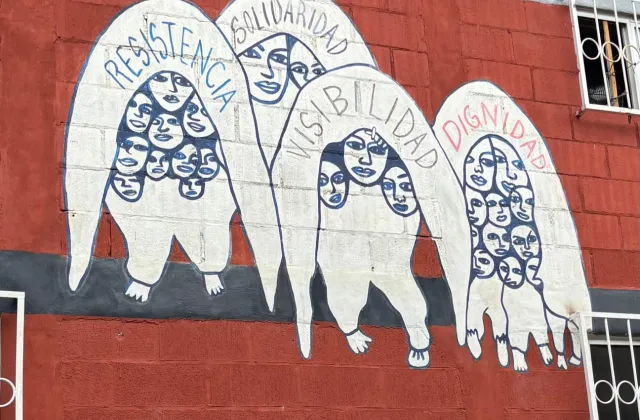
Quixote Center staff spent 5 days in southern Mexico a few weeks ago to see for ourselves how US border policies are impacting the rest of the Americas.
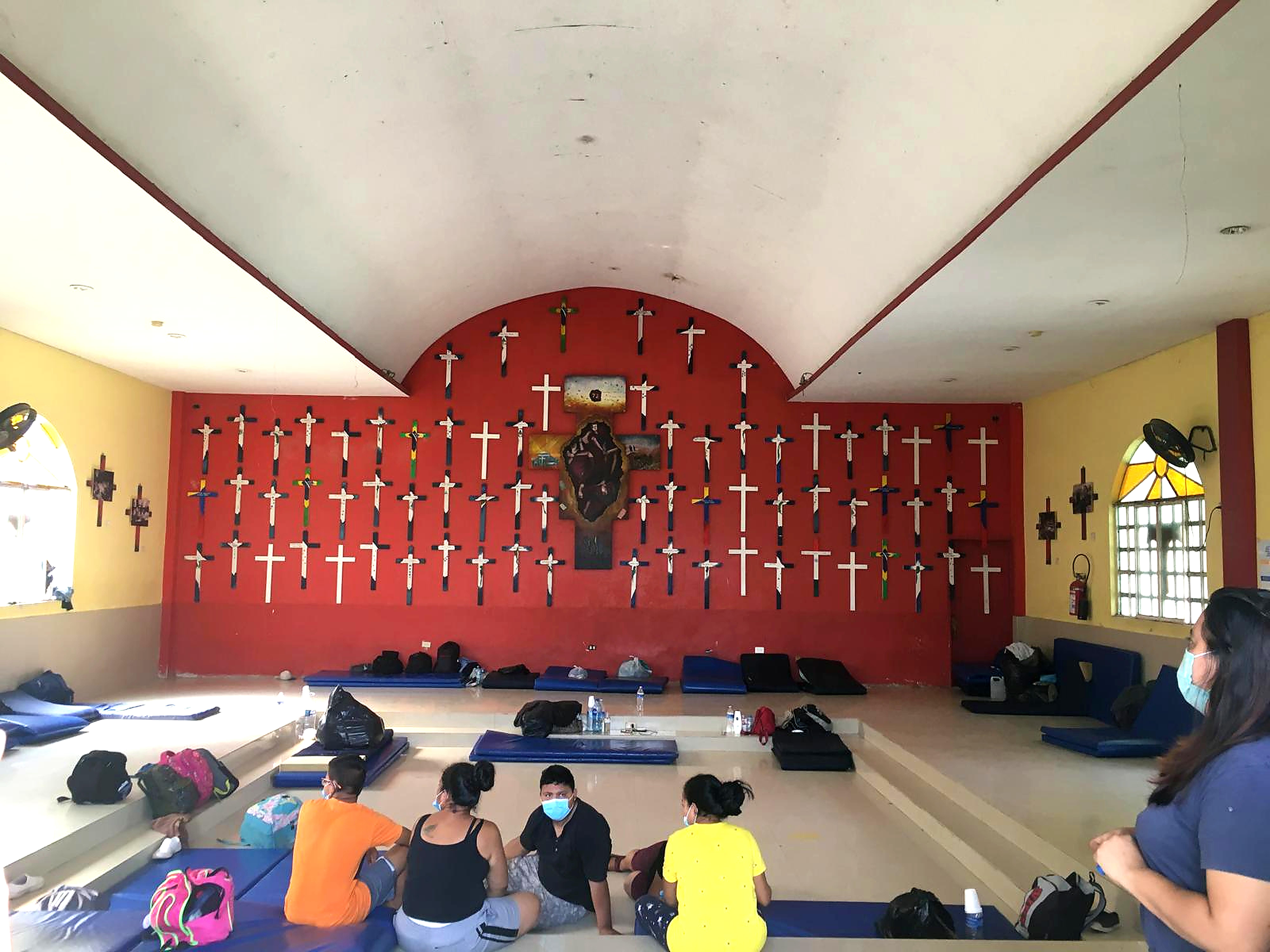
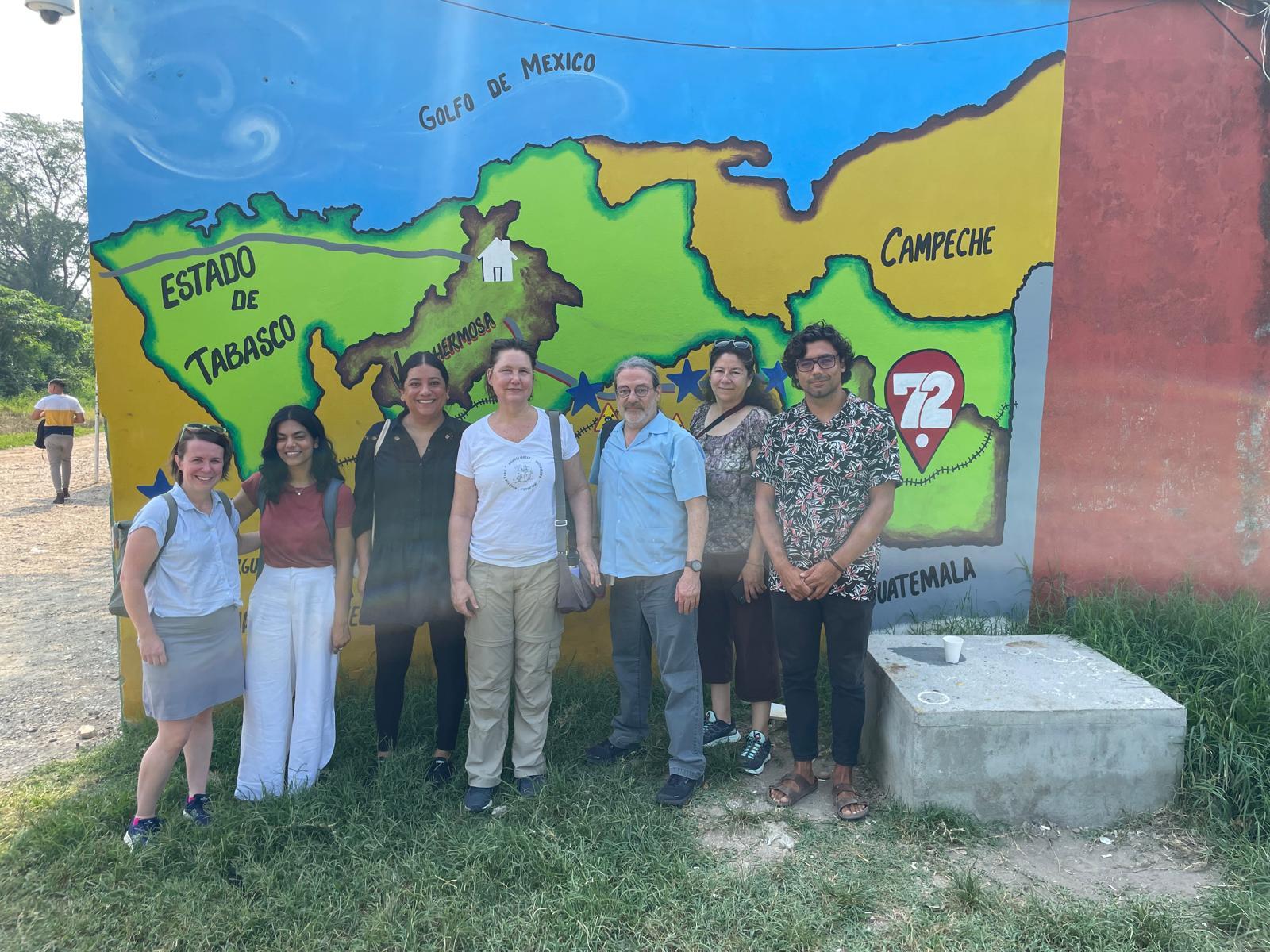
On our second day we traveled to Tenosique, in the State of Tabasco, located near the border with Guatemala. Tenosique is home to the La72 migrant shelter, a member of the Franciscan Network on Migration and long-term Quixote Center collaborators.
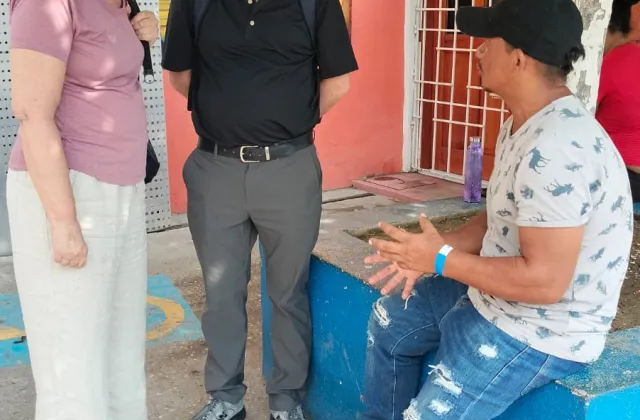
From May 27 to June 3, Quixote Center traveled to southern Mexico to meet with local partners and assess the human impact of the United States' increasingly aggressive immigration enforcement policies, including mass detention and deportation.
What we witnessed was a growing humanitarian crisis, one that is leaving thousands of vulnerable people stranded, homeless, and without support.
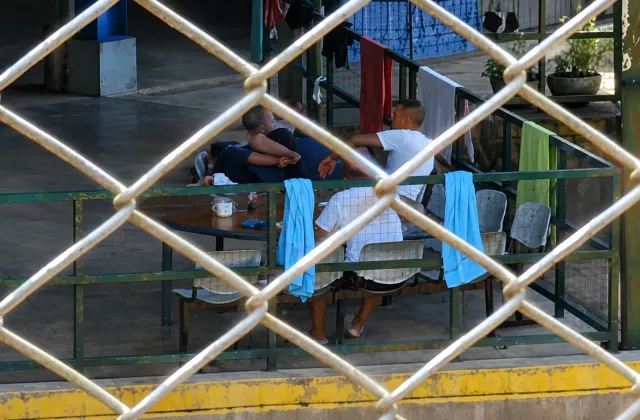
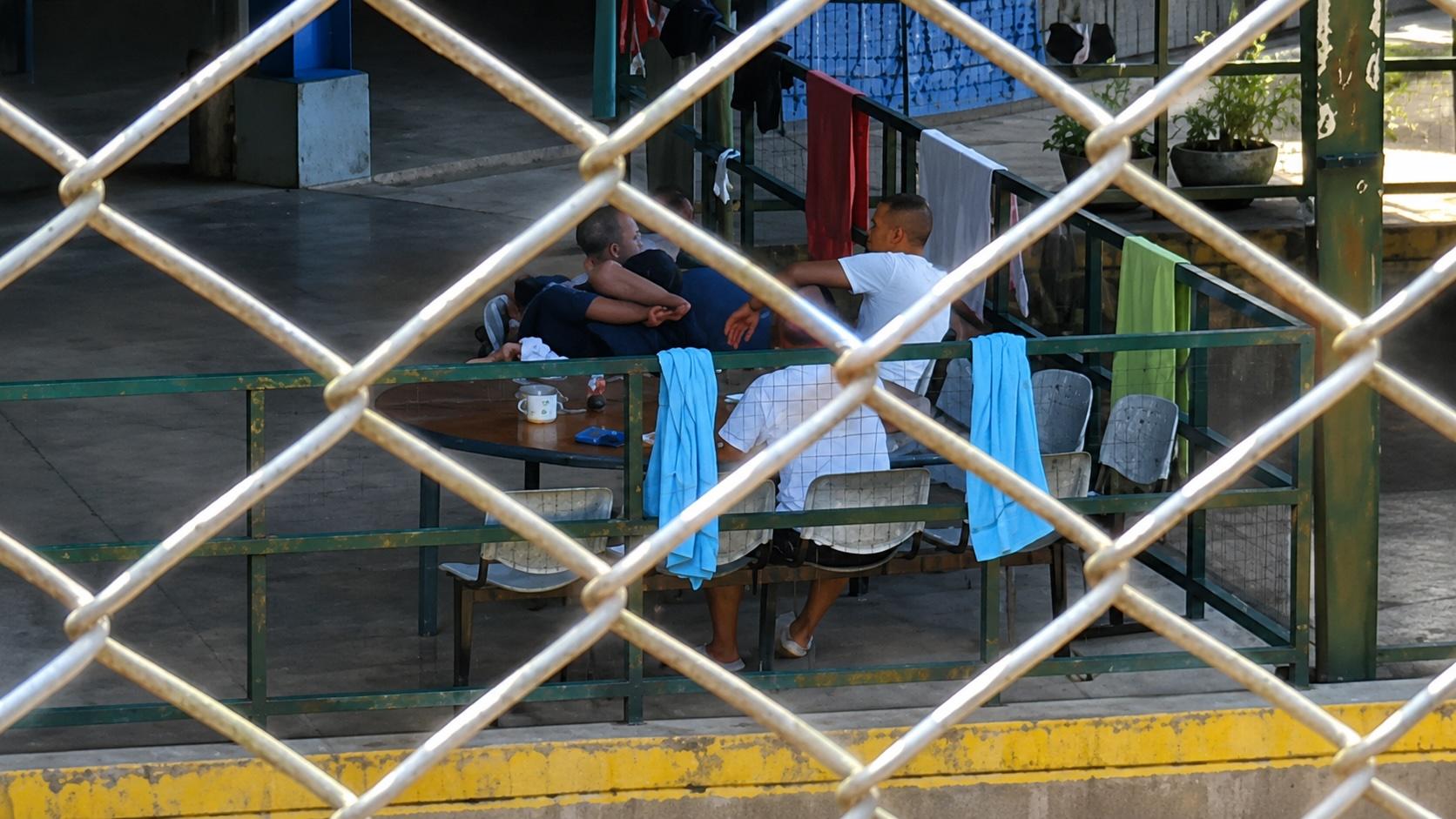
Imagine being so desperate that you stop eating.
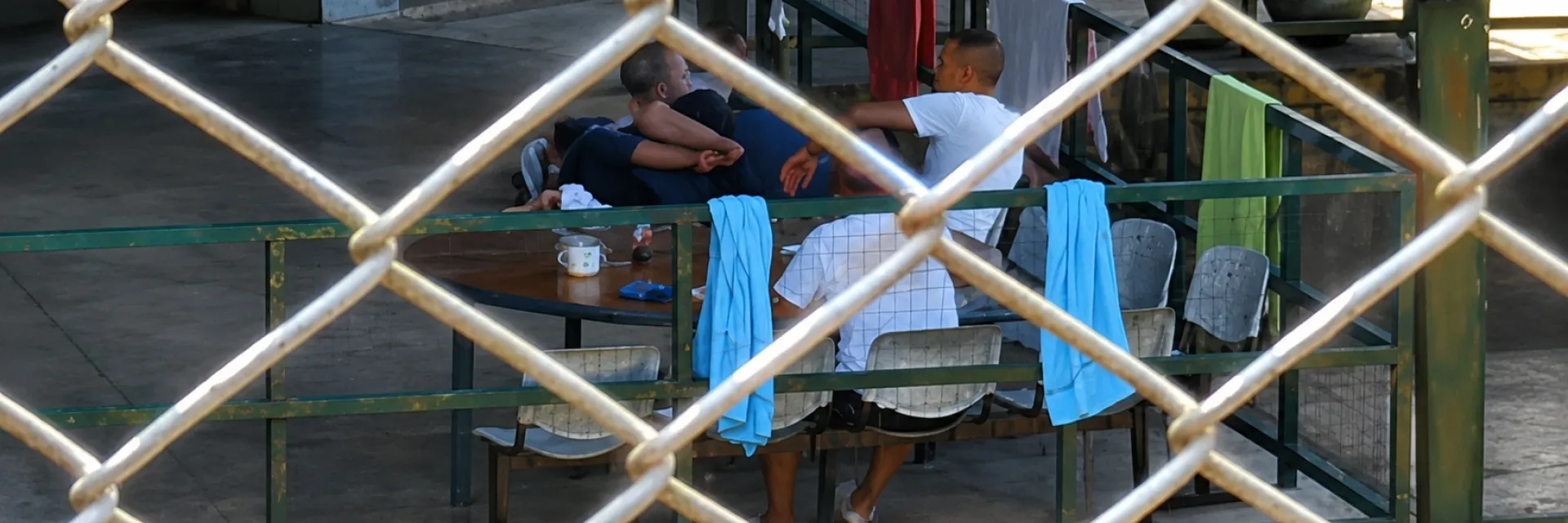
That after everything, after the journey, the crossing, the detention, the waiting, and the violence, you look down at your tray of food crawling with maggots and think: No. Not anymore.
Fifty years ago Bill Callahan and Dolly Pomerleau founded Quixote Center with a dream to be a progressive faith-based center for challenging injustice. Our founders were influenced by liberation theology and animated by a commitment to solidarity with the vulnerable and
marginalized, within the Catholic Church and in society. They dreamed the “impossible
dream” of a world more justly loving, armed with the faith that their love and persistence
could make impossible dreams come true.
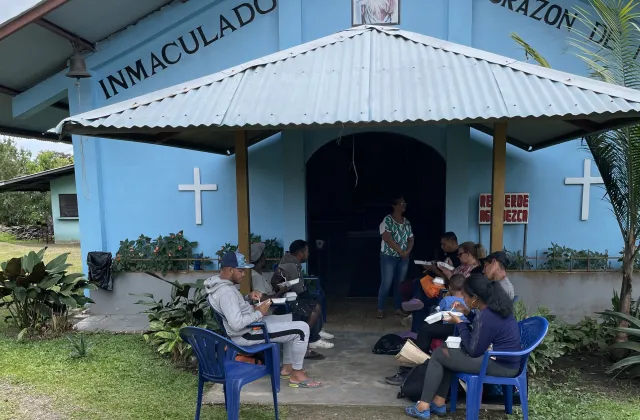
After visiting shelters and meal programs across Mexico, Guatemala, and Panama, one truth keeps surfacing: compassion doesn’t wait for permission, it acts.
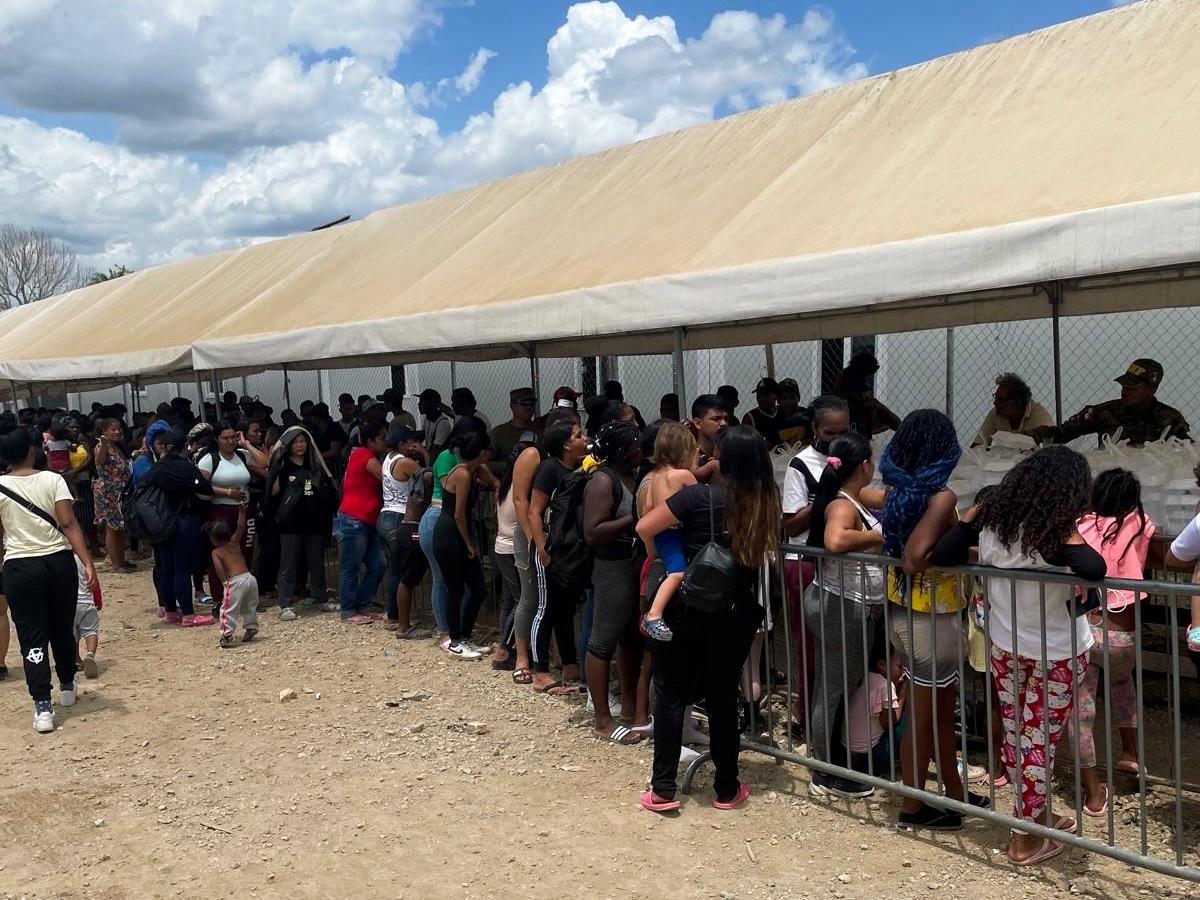
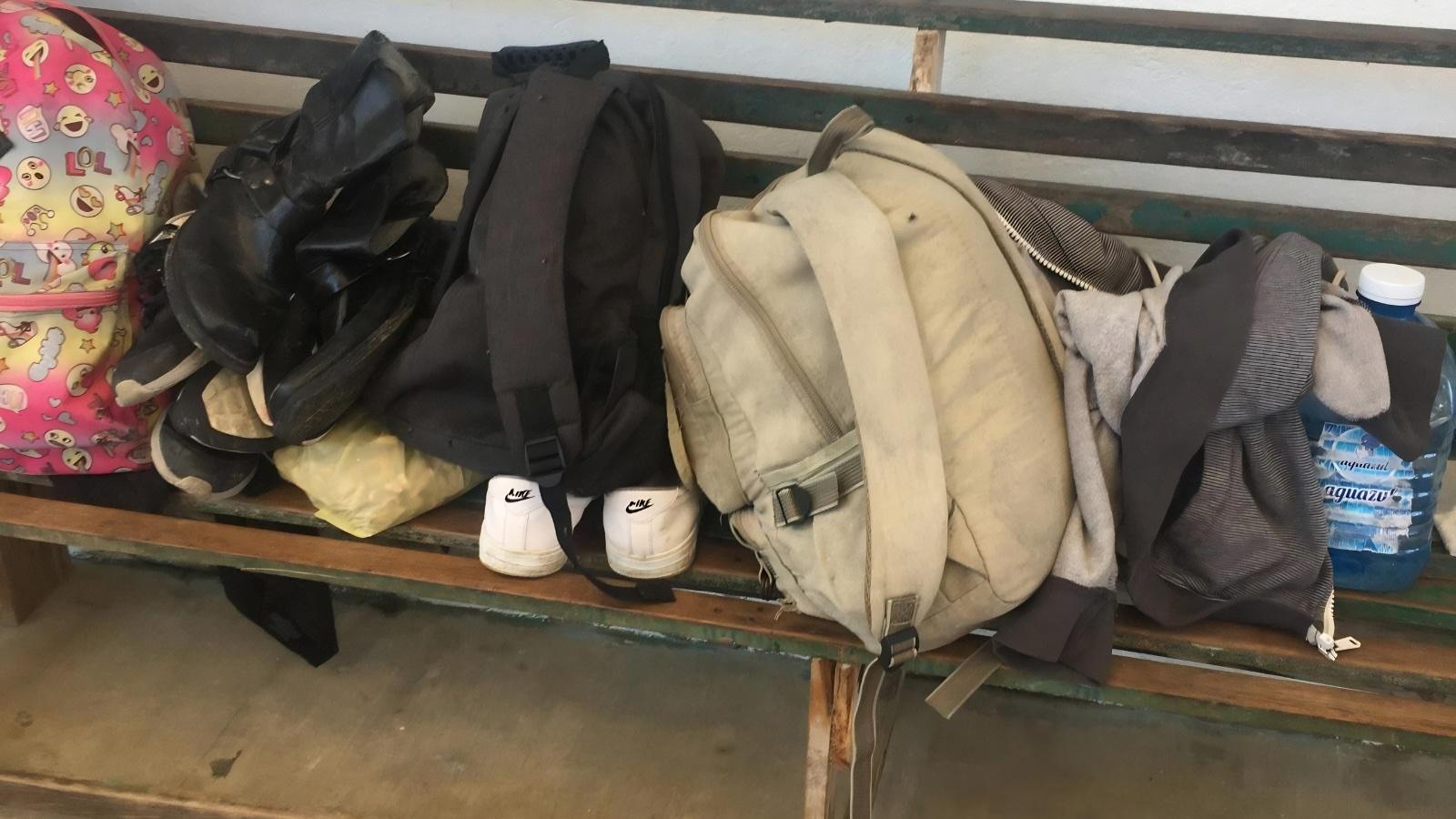
In border communities, the scene repeats itself day after day. Families arrive weary from the journey, hungry, dehydrated, and carrying everything they own.
Jose left Venezuela to save his livelihood and search for a more hopeful future.
A family farm that once sustained them no longer can, as the country's political and economic crises are making it harder to survive.
He crossed South and Central America, making his way north to seek asylum in San Diego. Now, he is in Panama, stranded between borders, with no clear way forward and no safe passage out.
by Claudette David, Quixote Center Board Member
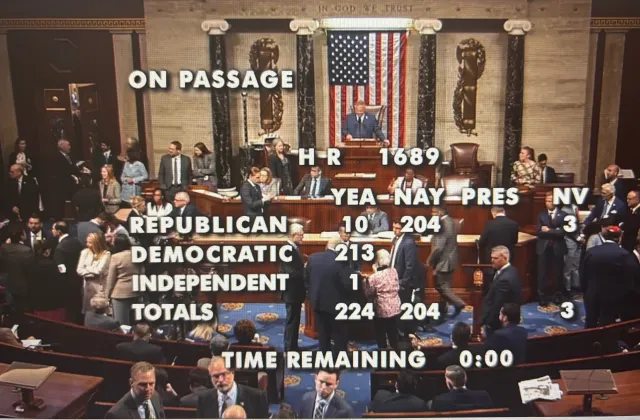
On April 16, 2026, the U.S. House of Representatives passed H.R. 1689 to extend protected status for Haitians and it did not happen quietly.
It started with a discharge petition, H. Res. 965, led by Representative Ayanna Pressley (MA-7). What followed was a succession of floor votes that included officially discharging the petition and a bill passage back to back. That alone is rare. That kind of moment does not come often.
Erick first left Guatemala as a teenager in 2004, after being threatened by gangs and fearing for his future. He made the journey to the United States to stay with his siblings and try to build a life.
His journey was not easy. He has been kidnapped, robbed, and mistreated. He has been deported several times, but cannot safely remain in his home country.
Today, he is staying at La 72 Hogar-Refugio para Personas Migrantes (one of our partners in Tenosique, Tabasco, Mexico)