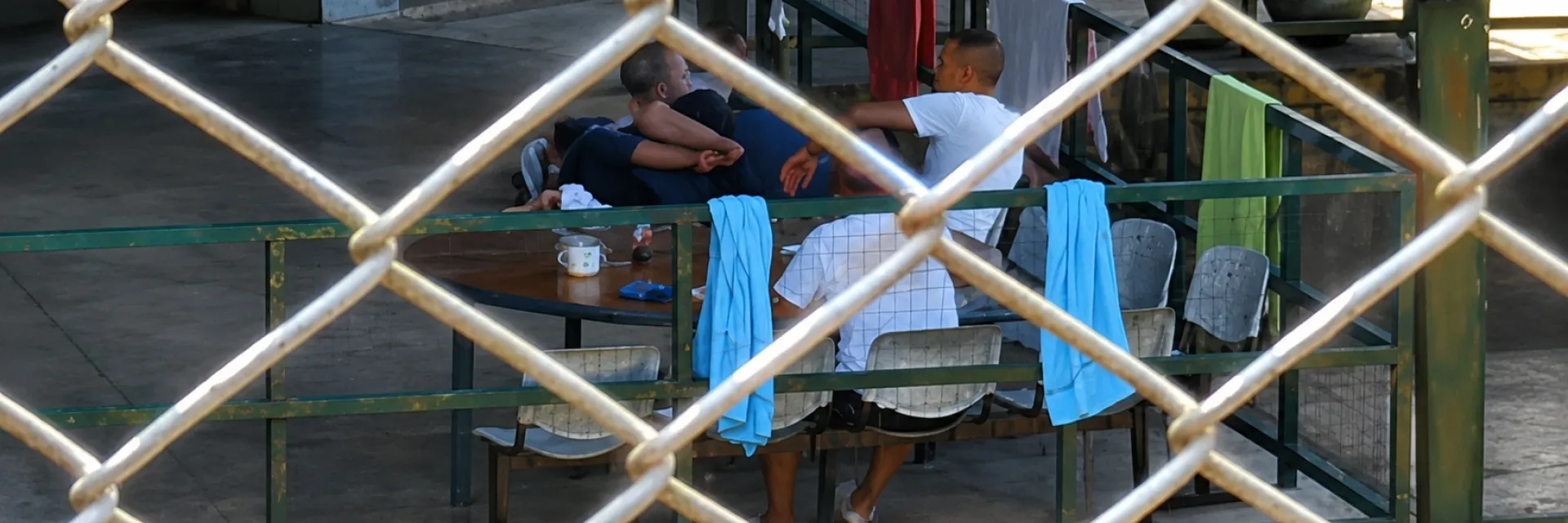


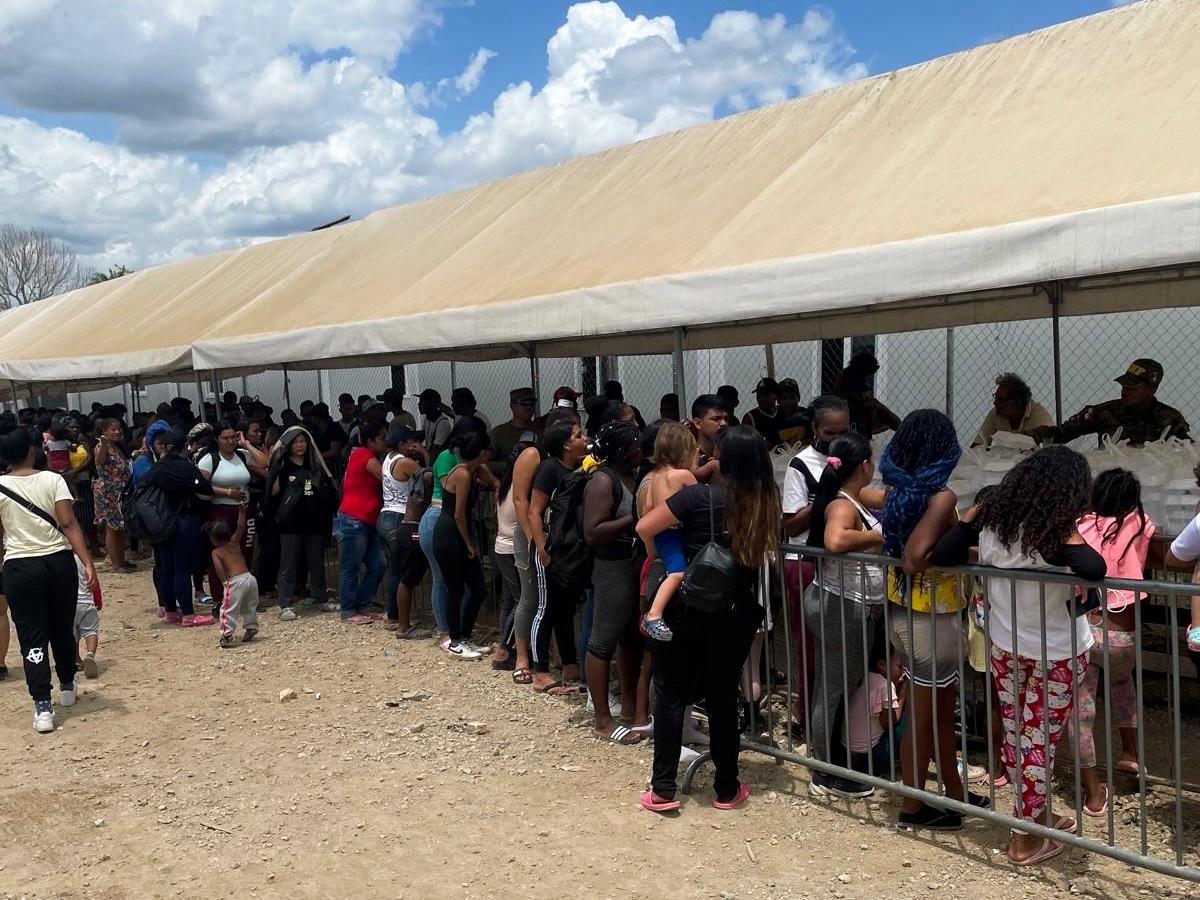
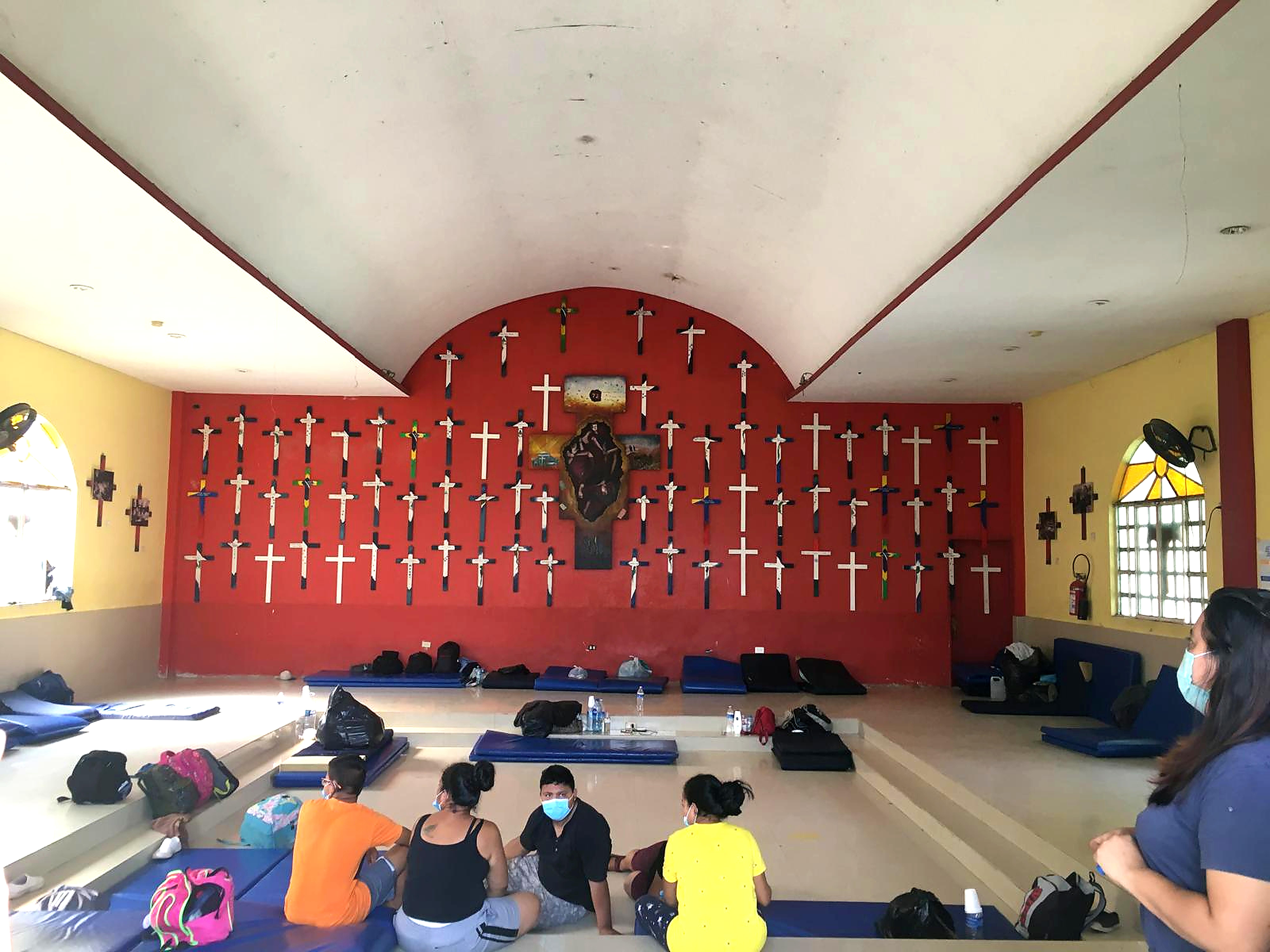

Quixote Center recognizes migration as a fundamental human right under international law. In the United States, migrants strengthen our economy, enrich our culture, and strengthen our social fabric. 

Quixote Center’s principal international partnership is with the Red Franciscana para Migrantes (RFM - Franciscan Network for Migrants). RFM connects Franciscan-run shelters and other humanitarian assistance programs for migrants who are making the dangerous trek through Mexico, Central America, and South America. We support RFM by

  • Serving as the fiscal sponsor for RFM within the United States and coordinating advocacy efforts with their staff. 
  • Providing on-going financial support to RFM programs in Panama, a particularly strategic and difficult migrant crossing point.
  • Offering capacity-strengthening funding to RFM teams, so far supporting teams in Colombia, Brazil, and Mexico. 

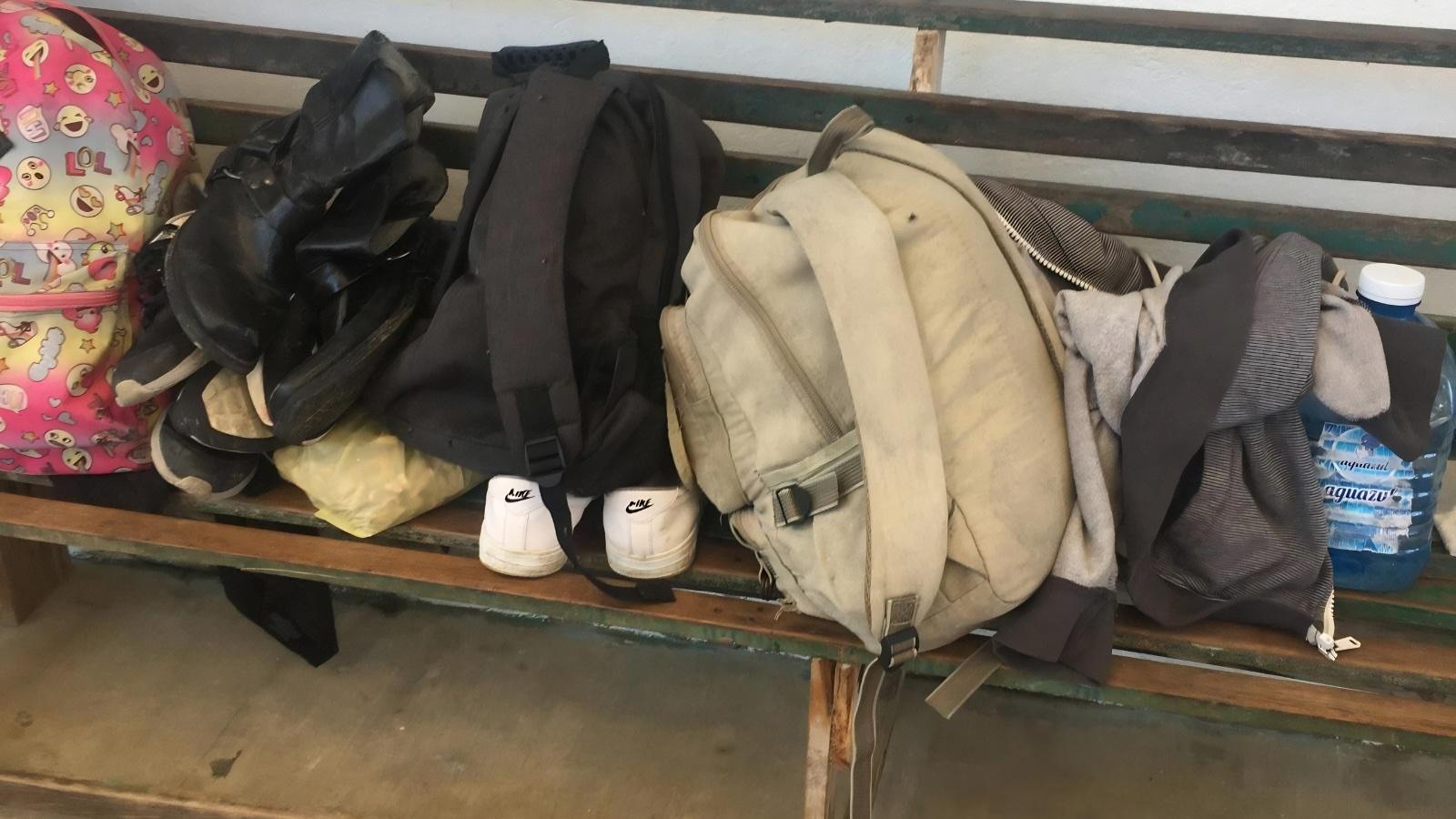
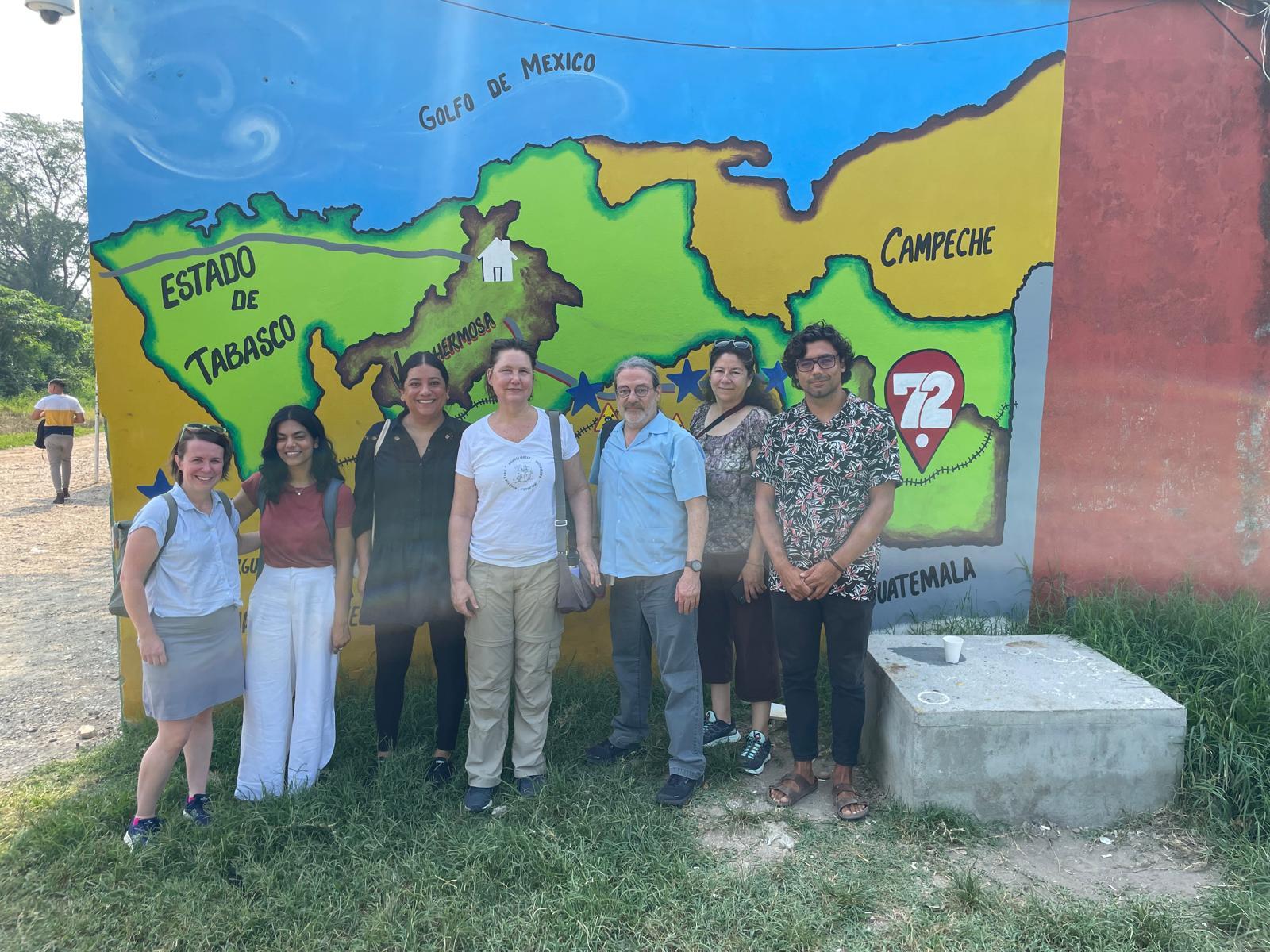
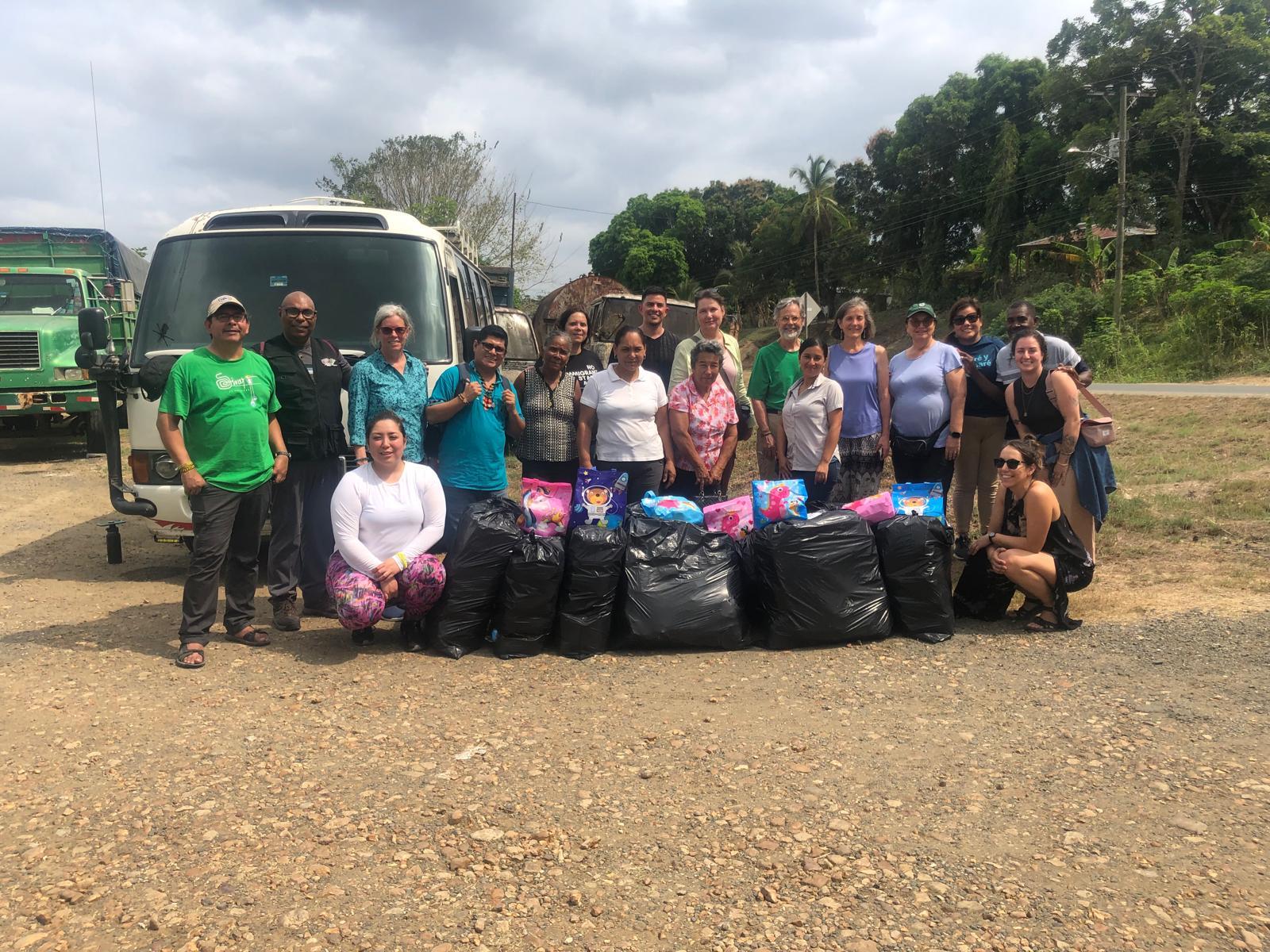
Quixote Center and RFM organize Solidarity Trips since 2022 as part of our advocacy and education mission, bringing U.S. based migrant justice activists and other professionals to Southern Mexico and Panama to see firsthand how the U.S. immigration impact the lives of hundreds of thousands of people fleeing their homelands to seek a new life, in the United States or elsewhere.

View our Between Borders video series .

Find out more about our Solidarity Travel Program .

Partners

RFM - Red Franciscana para Migrantes (Franciscan Network for Migrants)

The Franciscan Network for Migrants (RFM) is a network of individuals and service centers across the Americas that, inspired by Franciscan spirituality, reach out to migrants to support, promote, protect, and defend their rights in their respective countries of origin, transit, and destination.

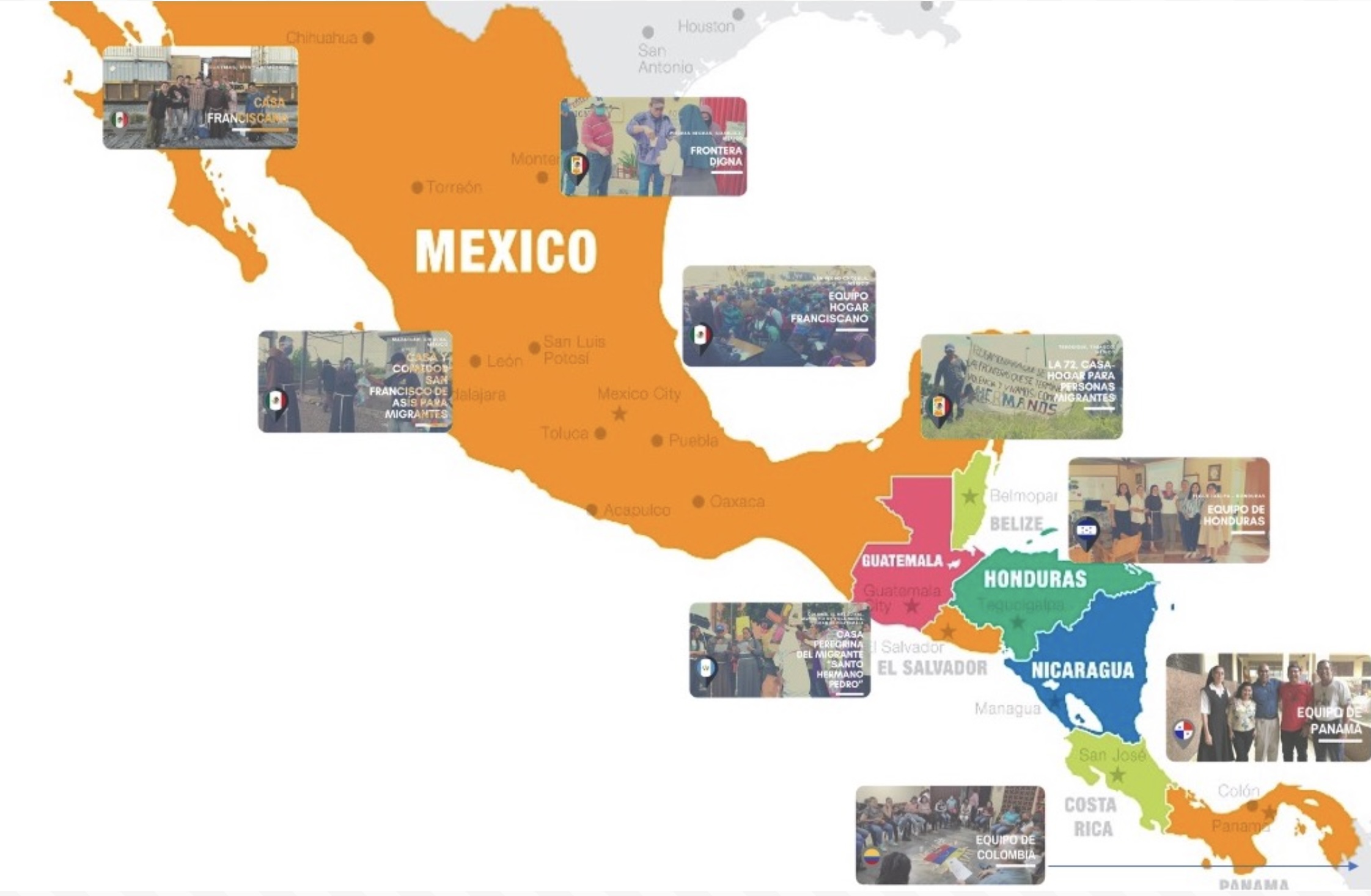
Location of Shelters in the Franciscan Network on Migration

Country Highlight: Nepal

Temporary Protected Status holders increasingly fear they will not be permitted to remain in the United States. Within the last year the Trump administration has terminated TPS for four out of the 10 designated countries.  This week TPS for El Salvador was terminated, impacting over 260,000 people who have lived in the U.S. for over 17 years. TPS holders and supporters continue to press for a permanent, legislative solution. In support of this effort we continue our series on TPS; this week with a profile of Nepal.

Operation Streamline: Fast Tracking Deportation

In November, I traveled to the School of the Americas’ (SOA) Encuentro Watch to learn more about immigration and the demilitarization of the US-Mexico border. Upon arrival, I was picked up from the Tucson airport and driven to US District Court Pro SE Office in Tucson, Arizona. This courthouse is noteworthy, because it is one of the three courts in the country that utilizes Operation Streamline.

Should TPS Be Extended?

Part III of a series on TPS

Missed the last ?

President Trump was elected in part due to his hardline stance on immigration, such as promising the creation of a border wall and a crackdown on both legal and illegal immigration. Given this context, the Trump Administration's proposal to end TPS is unsurprising.

This installment of the TPS series serves to layout the chief arguments for and against the TPS program.


Solidarity With Migrants From Haiti and Central America

Last Friday, Save TPS Now! (¡Salvemos TPS Ahora!) conference participants and allies met with members of Congress and held a vigil in front of the White House to advocate for the renewal of their Temporary Protected Status (TPS). TPS allows the Department of Homeland Security to welcome citizens of other nations if their country of origin has become a place where living with human dignity is difficult or impossible due to conflict or natural disaster.

Pages