


Quixote Center recognizes migration as a fundamental human right under international law. In the United States, migrants strengthen our economy, enrich our culture, and strengthen our social fabric. 

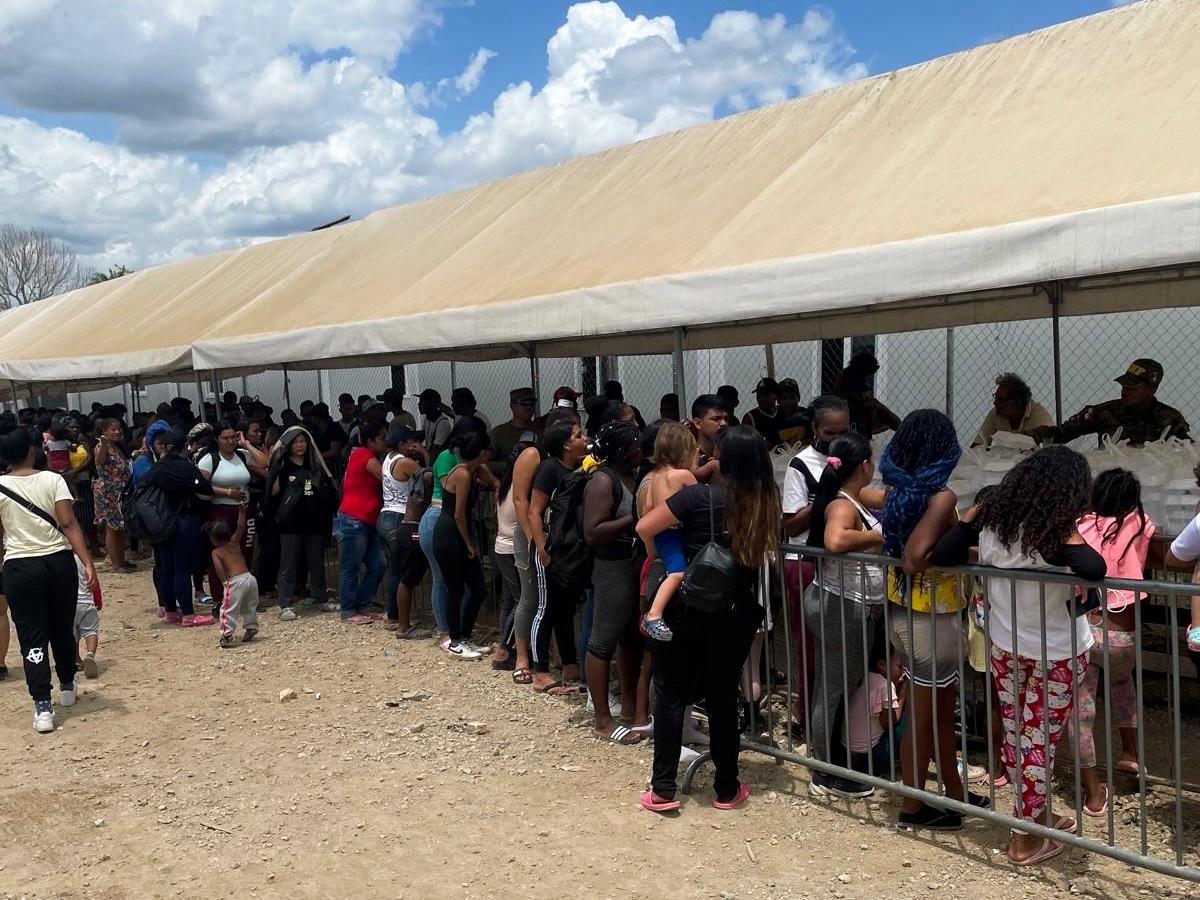
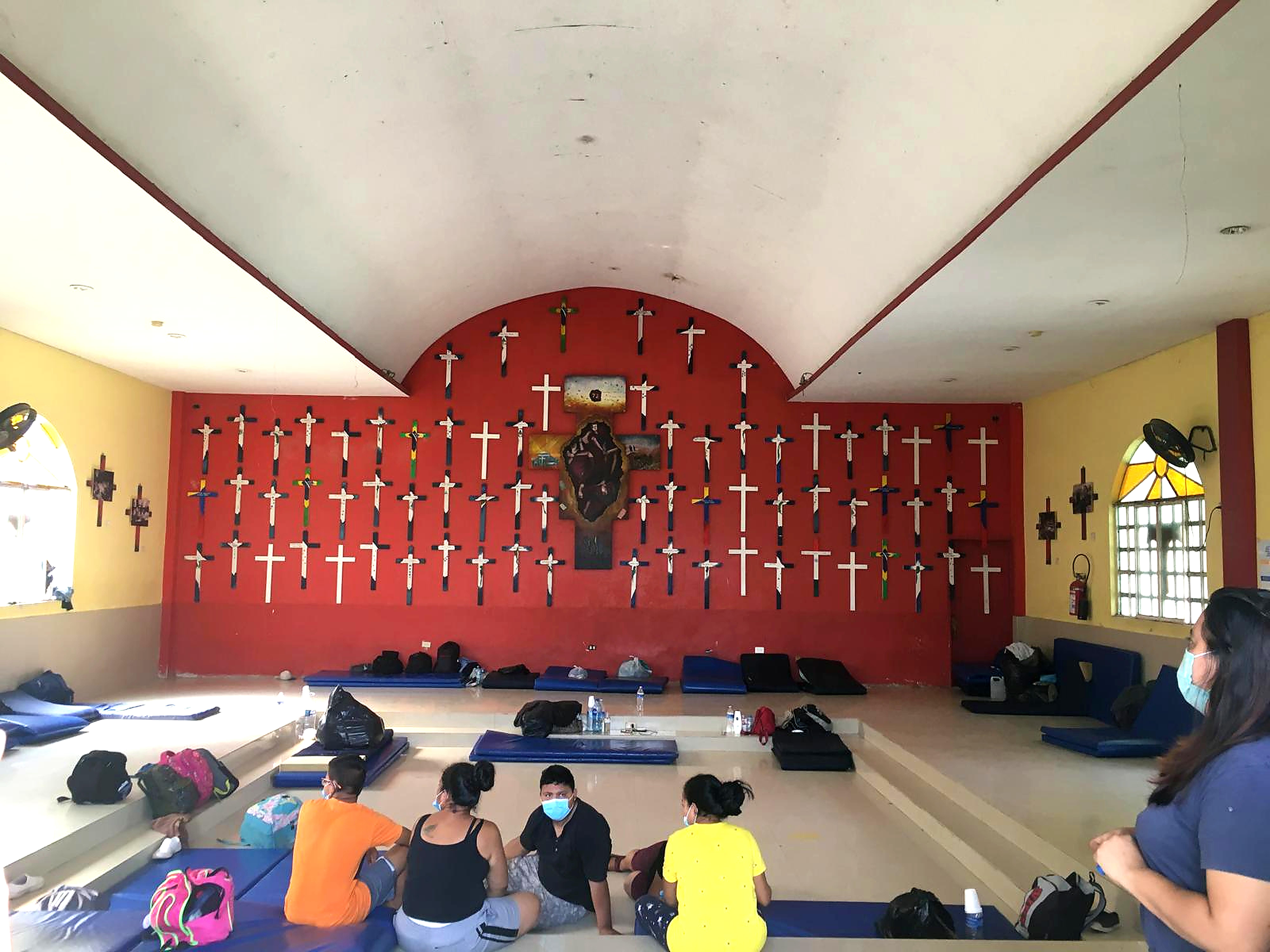
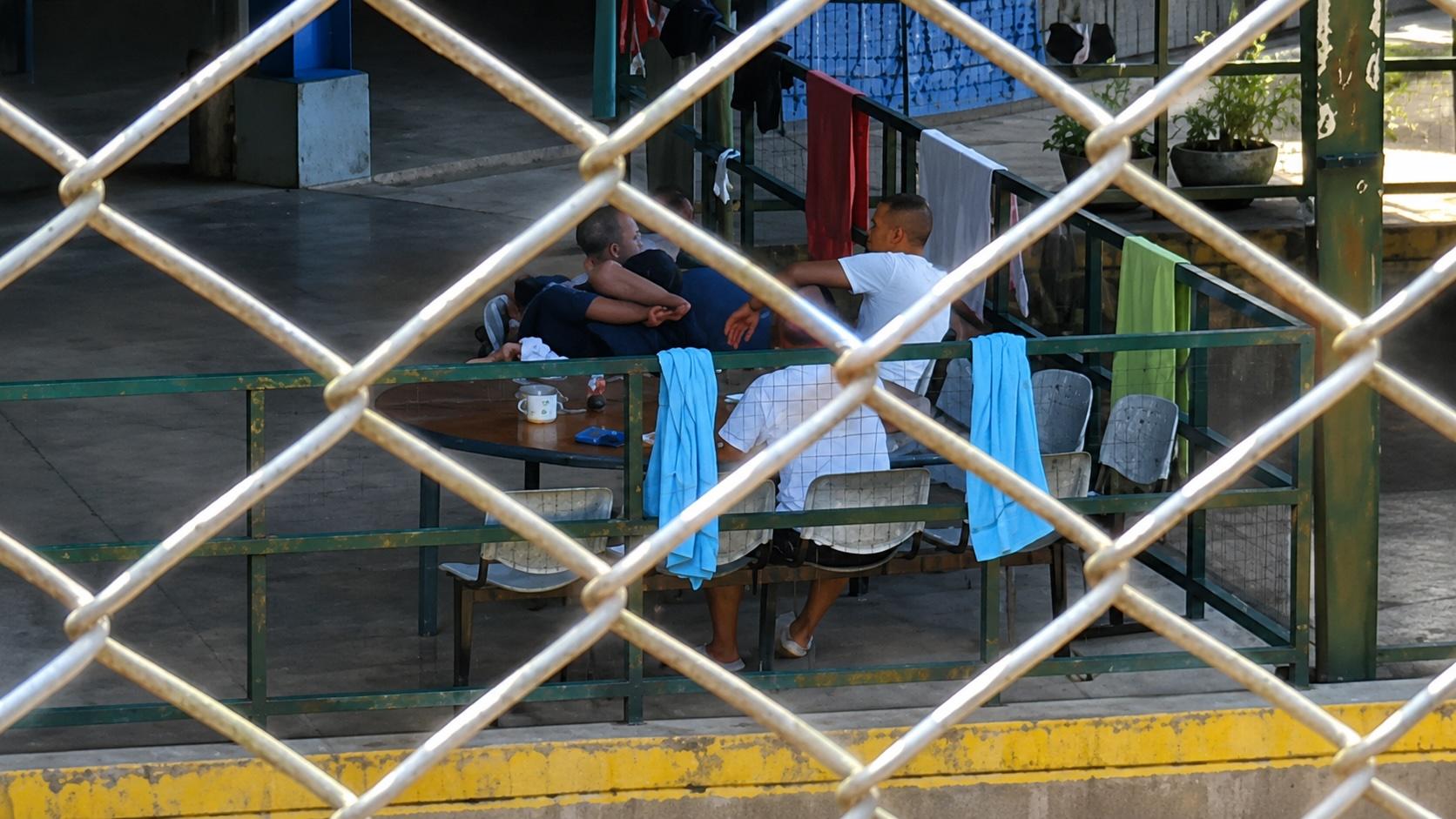
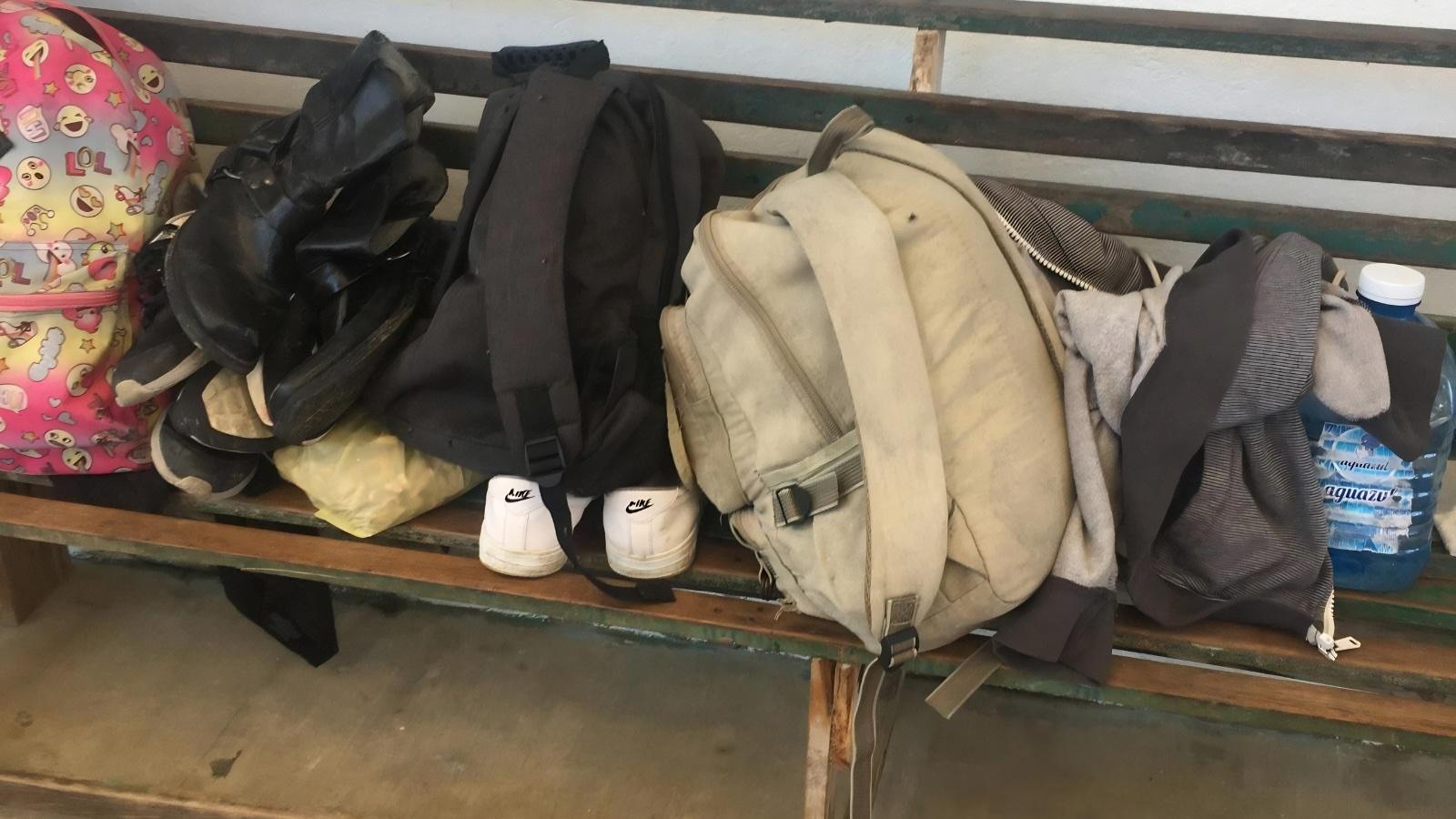
Quixote Center’s principal international partnership is with the Red Franciscana para Migrantes (RFM - Franciscan Network for Migrants). RFM connects Franciscan-run shelters and other humanitarian assistance programs for migrants who are making the dangerous trek through Mexico, Central America, and South America. We support RFM by

  • Serving as the fiscal sponsor for RFM within the United States and coordinating advocacy efforts with their staff. 
  • Providing on-going financial support to RFM programs in Panama, a particularly strategic and difficult migrant crossing point.
  • Offering capacity-strengthening funding to RFM teams, so far supporting teams in Colombia, Brazil, and Mexico. 

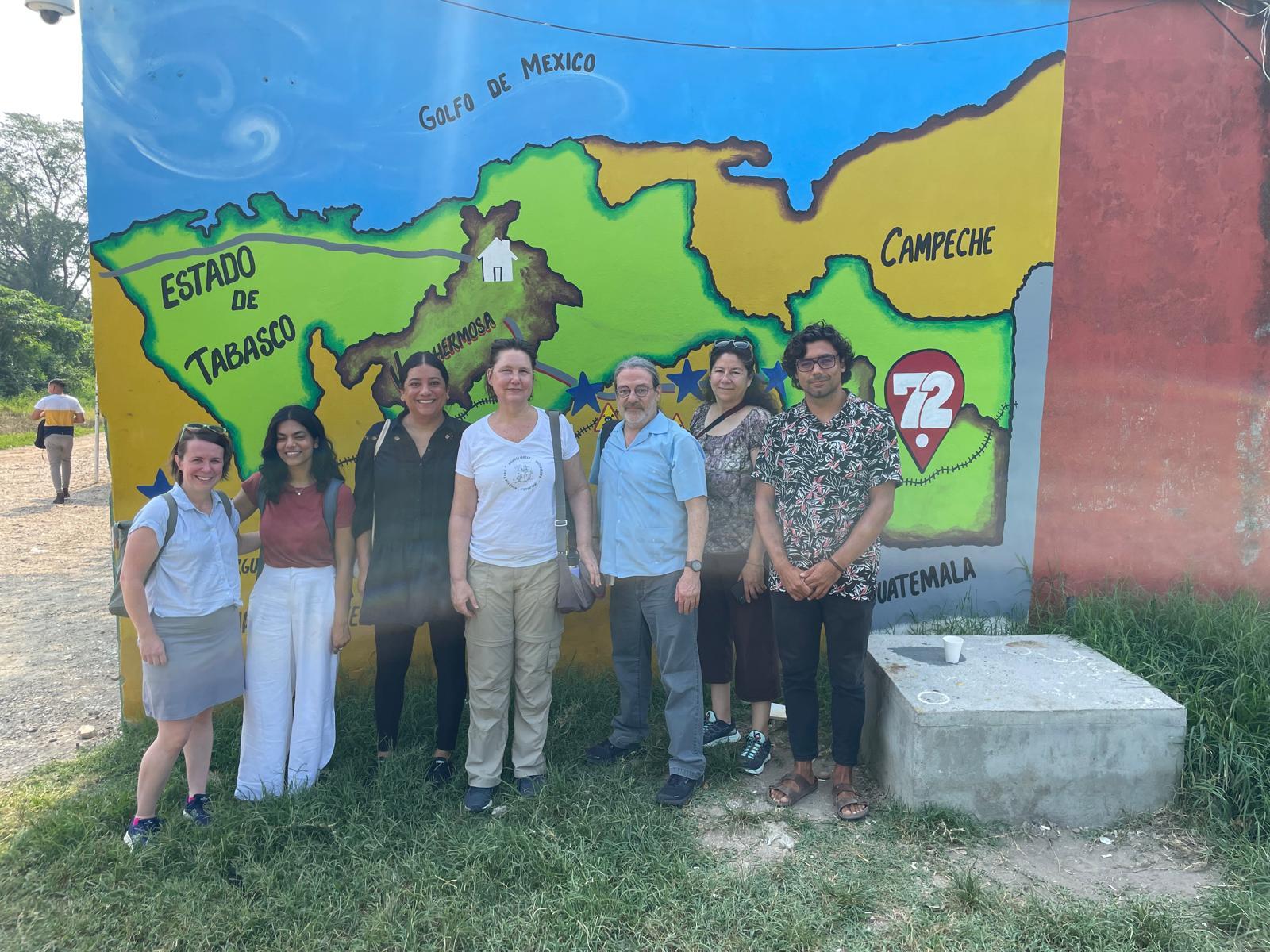
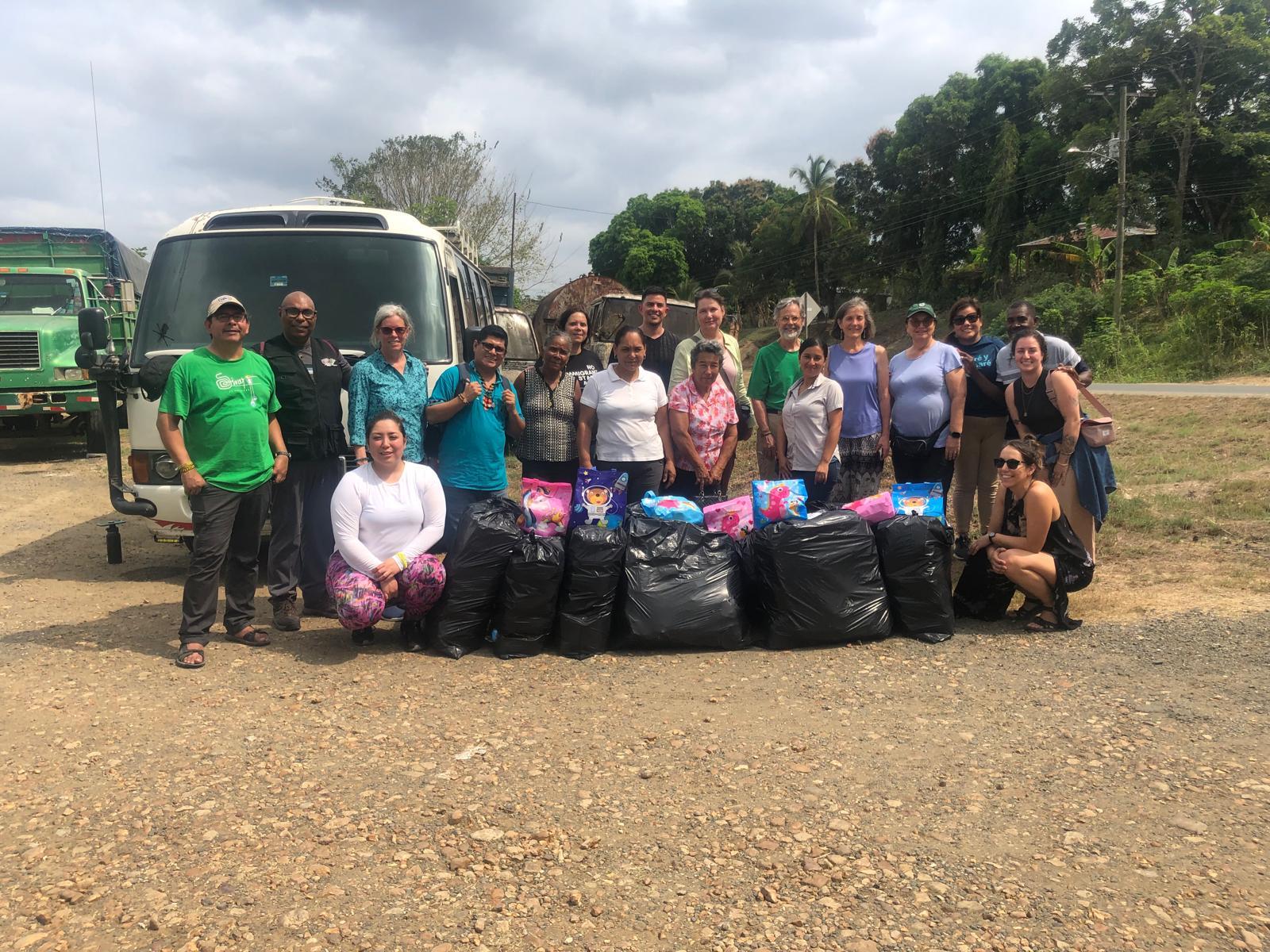
Quixote Center and RFM organize Solidarity Trips since 2022 as part of our advocacy and education mission, bringing U.S. based migrant justice activists and other professionals to Southern Mexico and Panama to see firsthand how the U.S. immigration impact the lives of hundreds of thousands of people fleeing their homelands to seek a new life, in the United States or elsewhere.

View our Between Borders video series .

Find out more about our Solidarity Travel Program .

Partners

RFM - Red Franciscana para Migrantes (Franciscan Network for Migrants)

The Franciscan Network for Migrants (RFM) is a network of individuals and service centers across the Americas that, inspired by Franciscan spirituality, reach out to migrants to support, promote, protect, and defend their rights in their respective countries of origin, transit, and destination.

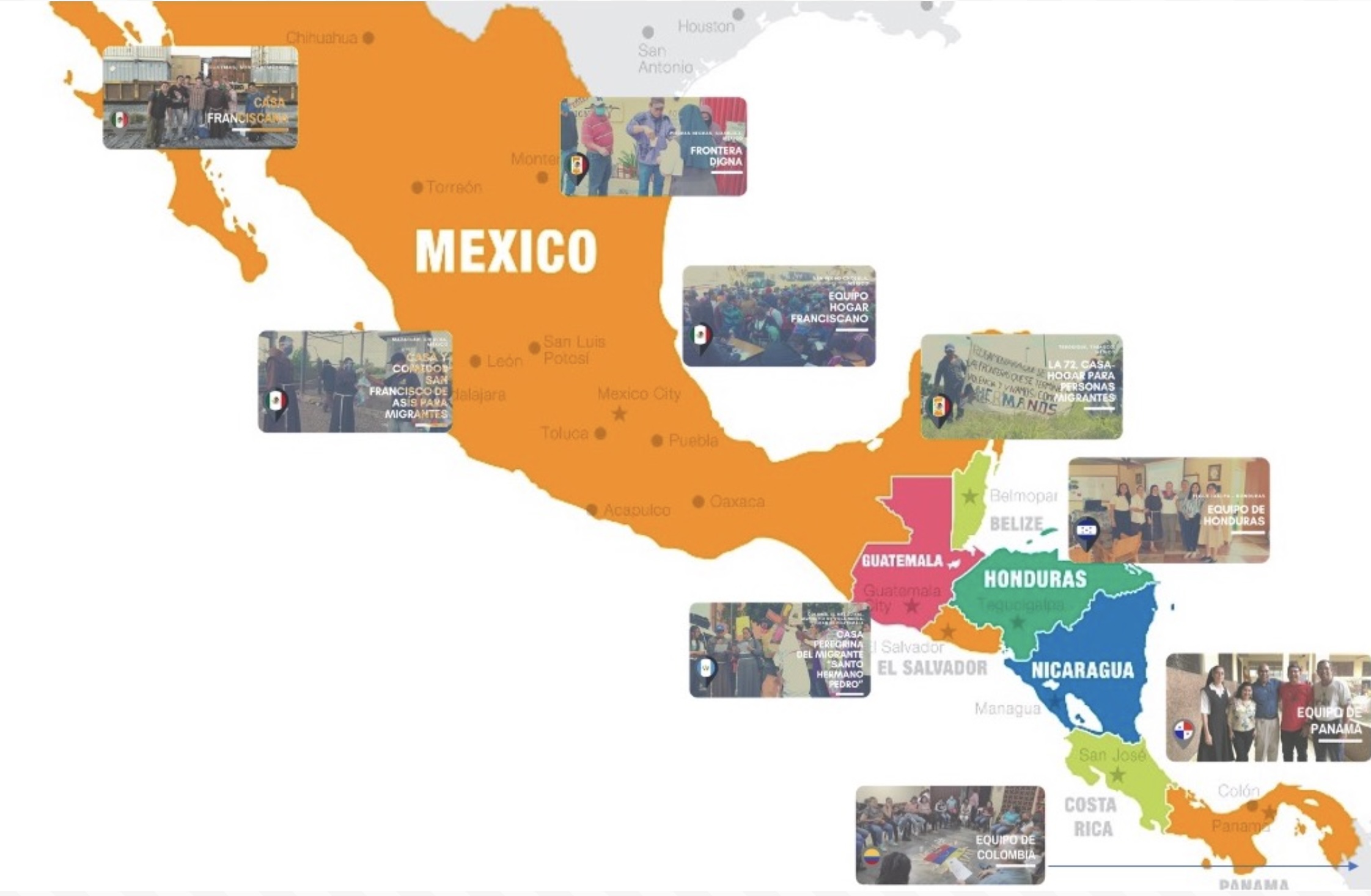
Location of Shelters in the Franciscan Network on Migration

Liberian Deferred Enforced Departure, Colonialism, and White Supremacy

Given the pace of anti-immigration news over the past several months, the termination of another immigration initiative should hardly come as a surprise, but the announced wind-down over the next year of the Deferred Enforced Departure (DED) for Liberians hardly made a blip on the radar of national news. This change is further evidence of the current administration’s wanton disregard for the lives of those who come to the United States to carry on their lives with dignity and hope. 

Trump Unhinged

Over the last few days Trump has been tweeting and fuming over a of migrants crossing through Mexico. Some, not all, may try to gain access to the United States, seeking asylum from economic marginalization and political violence in Central America. Nearly 80% of the 1,200 caravan participants are from Honduras.

Farmworker Awareness Week Day Seven, Support UFW’s’ Push for Overtime Pay

"Life here is very hard when we harvest fruits and vegetables. The sun burns so much and we get weak, and you get irritated from so much heat. And despite that we have to work all day putting up with the fatigue, dehydration and hunger. I’ll also tell you that it’s very sad to be far from our land which is Mexico… and our loved ones like my parents, my wife and my son. But we’re here working hard so that we can support our family… and well, it’s very hard to be a farmworker, and sad because you work from sun up to sundown in the fields."

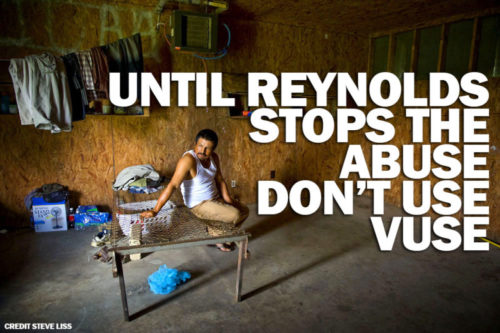
Farmworker Awareness Week, Day Four: Pledge to Boycott Wendy’s

Bioparques workers who spoke to Times reporter Richard Marosi for an investigation published December 10, 2014, described subhuman conditions, with workers forced to work without pay, trapped for months at a time in scorpion-infested camps, often without beds, fed on scraps, and beaten when they tried to quit. (Harper's Magazine, 2016)

We are quite happy with the quality and taste of the tomatoes we are sourcing from Mexico. (Wendy's spokesperson, 2016)

Farmworker Awareness Week Day Three: Take Action to Ban Chlorpyrifos

“We started around four [4:00] to four thirty [4:30] in the morning,” one worker reported. “I heard someone say ‘it’s raining,’ I didn’t feel anything but I could smell it. I could smell a chemical smell like a garden product. I heard a plane or helicopter I never saw it but I heard it. I did have symptoms, my head was hurting, and my eyes were itchy and really watery.”

Fear as Strategy: Trump Administration Using Cruelty as Deterrence

Several articles in the past week have focused on the ways the Trump administration is employing fear tactics as means to punish migrants. To some degree deterrence has always been a part of U.S. policies aimed at limiting migration. Yet, the current administration seems intent on reaching a new level of cruelty that is both immoral—and illegal. By targeting asylum seekers, separating children and families, and using enforcement in a campaign to silence dissent among immigration activists, Trump’s team is reaching new lows.

The Cycle of Criminalization in U.S. Immigration Policy

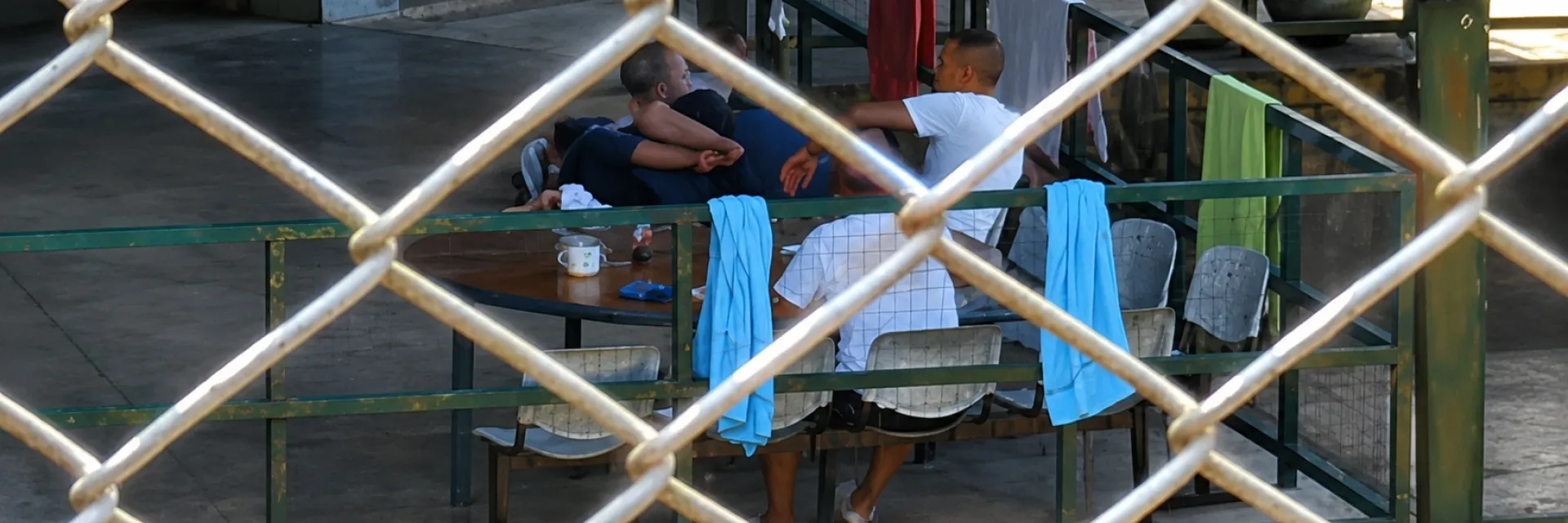
Last week, visitors from the Central American Resource Center (CARECEN) joined us at the Quixote Center for a conversation on migrant detention and the prison-industrial complex. We discussed the brutality of ICE, the injustice of Operation Streamline, and the expansion of private prisons. But there was one topic we kept coming back to: the cycle of criminalization.

Torture by Another Name: Immigrant Detention in the United States

U.S. immigration enforcement practices violate internationally recognized human rights. They have for years. However, under the Trump administration the scale of violations has grown, with increases in mass arrests that ignore asylum claims, expansion of detention under conditions that are inhumane, and a recent spike in the use of family separation as a tactic to further punish migrants. These practices dehumanize migrants. And in combination, might well constitute torture.

Pages