




After visiting shelters and meal programs across Mexico, Guatemala, and Panama, one truth keeps surfacing: compassion doesn’t wait for permission, it acts.
In border communities, the scene repeats itself day after day. Families arrive weary from the journey, hungry, dehydrated, and carrying everything they own.
For many local residents, witnessing this constant flow of human need becomes impossible to ignore. Even in places where laws discourage or outright prohibit offering aid, people step forward anyway. What begins as a small gesture -- a bottle of water, a shared meal, a place to sleep -- quickly grows into something much larger. Compassion turns into commitment. Commitment becomes a calling.
Homes become sanctuaries. Kitchens become community lifelines. And before long, these grassroots efforts evolve into full-fledged shelters and meal programs built to meet an urgent, ongoing need.
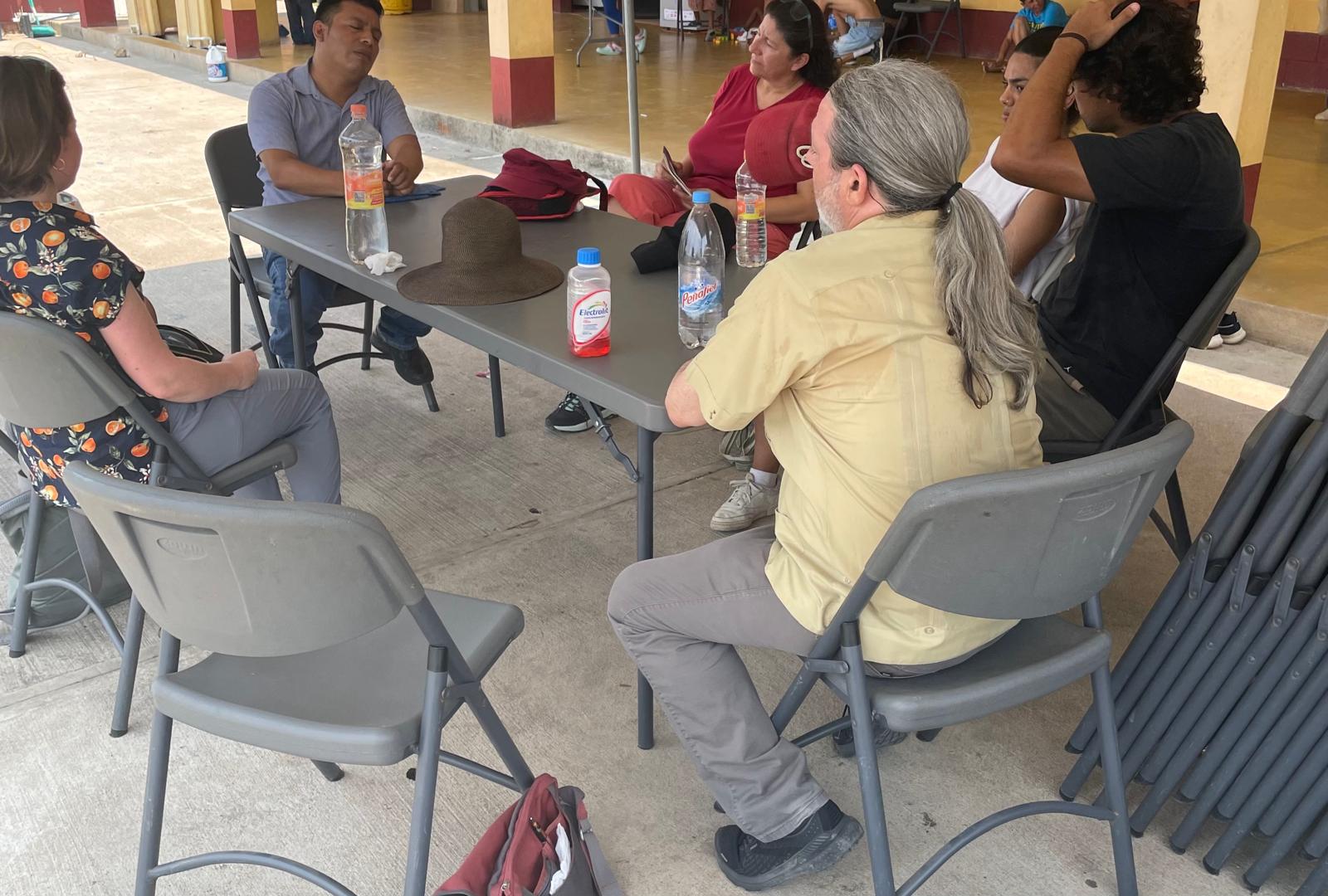
Quixote Center witnessed this in the borderlands between Mexico and Guatemala. Andres, the director of Casa Belen, recites the origin story of the shelter: his father saw migrant families walking up the highway and he could not turn a blind eye. He started by offering them food and water, and eventually constructed an overnight shelter to provide hospitality and rest.
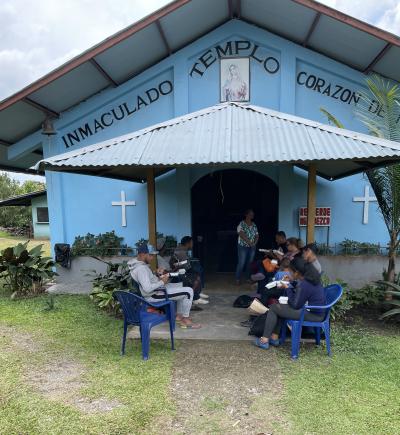
Similarly, members of a Catholic parish near the Darien jungle in Panama saw people walking up the highway with nothing but the clothes on their backs after exiting the jungle They responded at first with food and water, then with hygiene kits and a place of respite in their chapel.
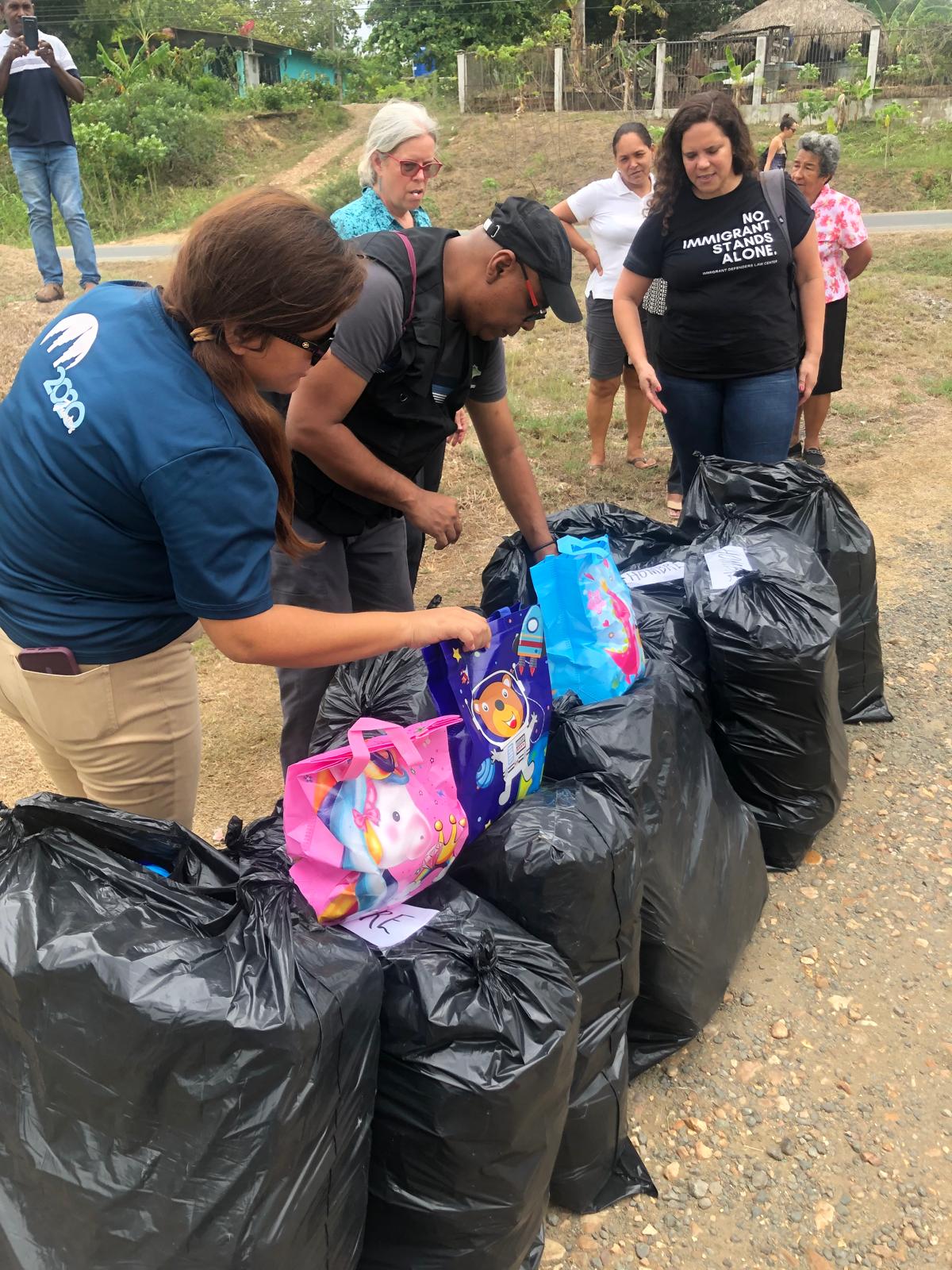
This quiet courage echoes far beyond Central America. Along the U.S.-Mexico border, volunteers leave water in the desert with handwritten messages of hope. Different places, same instinct: to care for one another in moments of vulnerability. It’s what Pope Francis urged when he called on the world to “welcome, protect, promote and integrate” those forced to flee violence, persecution, and poverty. Across the region, that call is being answered—not in speeches, but in action.
The volunteers behind these efforts are driven by faith, by humanity, or often both. They are ordinary people doing extraordinary things: saving lives, restoring dignity, and offering hope to those who have endured unimaginable hardship.
At the Paso Canoas meal program run by the Franciscan Network for Migrants (RFM) and the Sisters of the Good Shepherd in Panama and Costa Rica, volunteers recall going door to door, explaining their mission. Their message was simple but powerful: “Today it is them, fleeing their homes in search of safety. Tomorrow, it could be you.” Slowly, conversations turned into understanding. Understanding turned into support. What began as a small initiative grew into a community-backed soup kitchen serving people at the Panama–Costa Rica border.
The impact is tangible. Between January and March 2026 alone, with Quixote Center’s support, the Paso Canoas program served over 1,200 people. But numbers only tell part of the story. Behind each meal is a moment of relief, a sense of being seen, a reminder that someone cares.
The work continues to evolve. As migration patterns shift, so do the challenges. The meal program itself has already relocated across the border into Costa Rica to better meet changing needs. Meanwhile, 16 volunteers are now training to become certified human rights observers. They are equipping themselves not only to provide aid, but also to document abuses and amplify the voices of those too often unheard.
What’s unfolding in these communities is more than humanitarian response, it’s a quiet movement. One built on empathy, resilience, and the belief that even in the face of hardship and division, people can choose solidarity over indifference.
And in that choice lies something powerful: the ability not just to help others survive, but to remind us all what it means to be human. Your support is part of this movement of solidarity in action. Thank you.
Comments
LINDA REID (not verified)
PRAYERS FOR YOUR WONDERFUL WORK.