


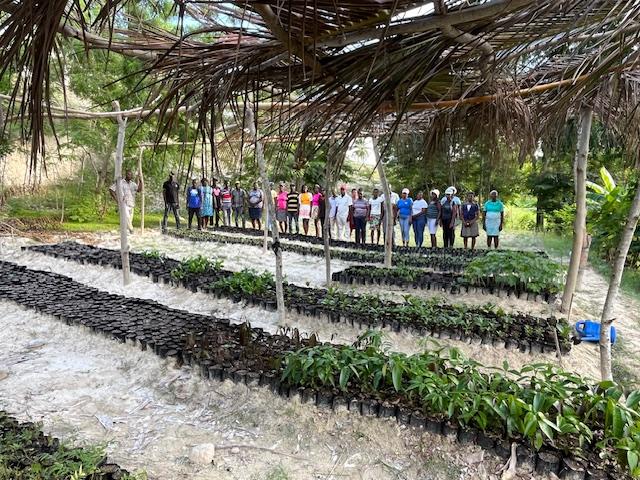
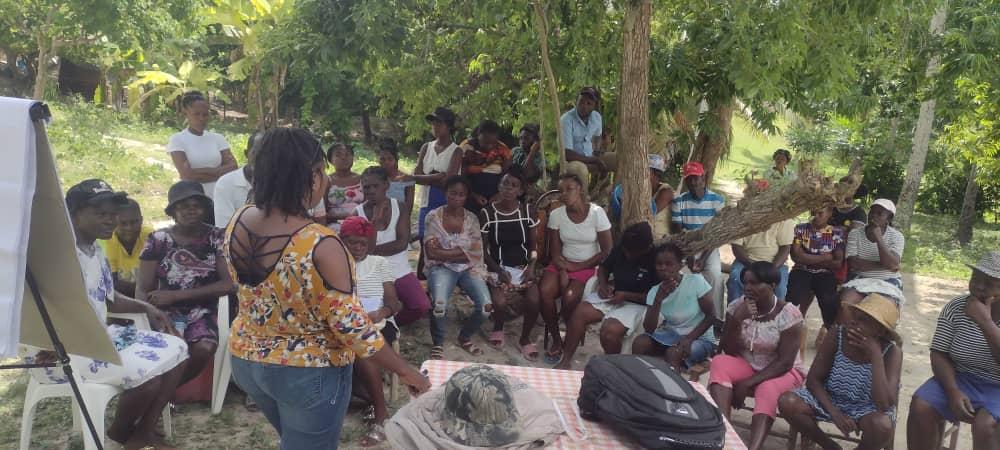
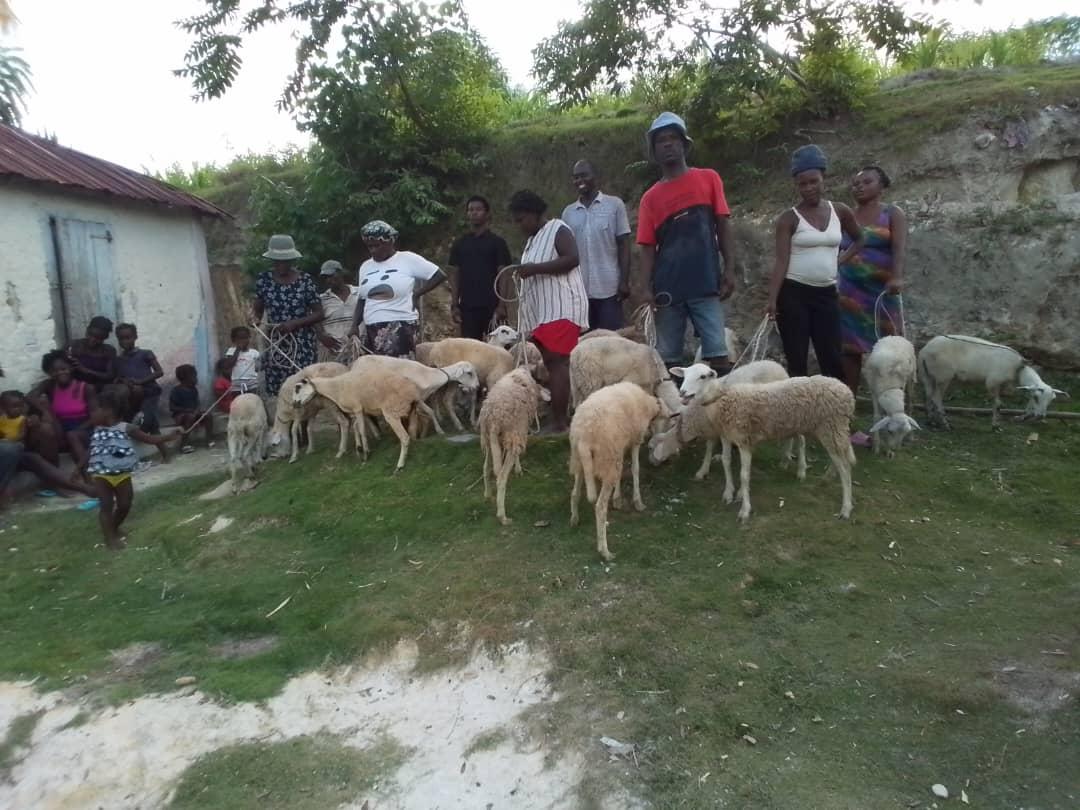

Quixote Center’s work in Haiti prioritizes systemic change. Our theory of change has three aspects:

  • Economic development initiatives that lead to meaningful and sustainable jobs and income for families and communities;
  • Reforestation to preserve Haiti’s environment and protect the soil and watershed;
  • Advocacy to promote US policies that support Haitian democracy and Haitian-led solutions to poverty, gang violence, and migration.


Gros Morne and Grepen

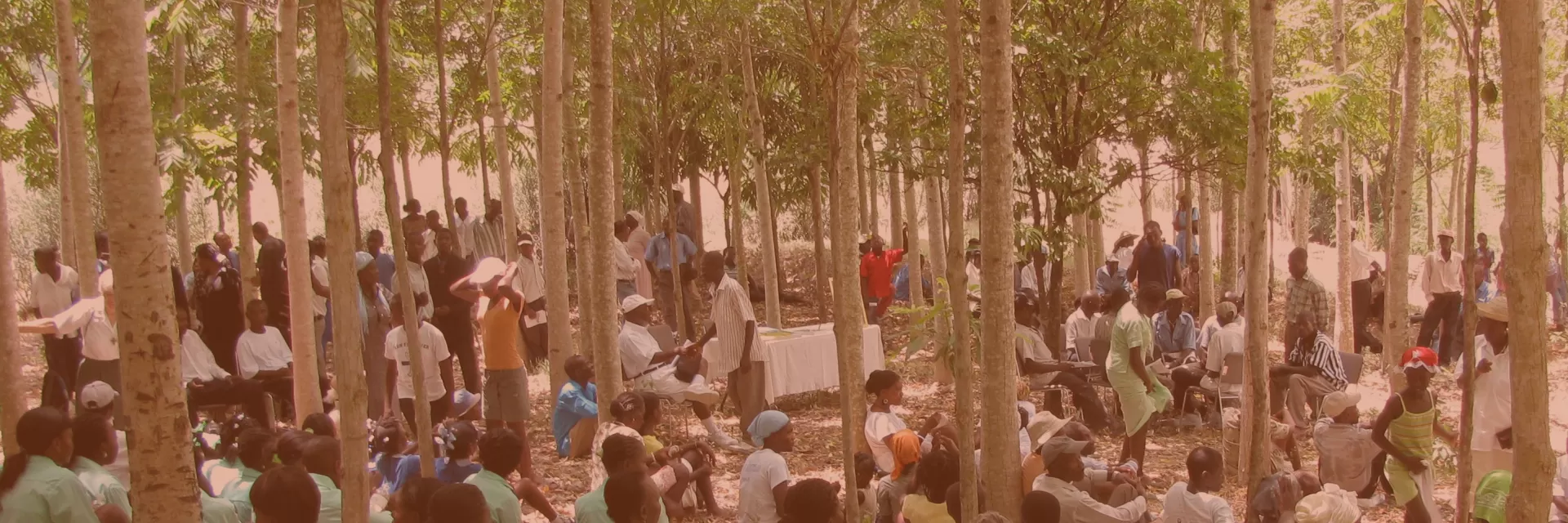
Quixote Center partners with the Montfortain Fathers for a variety of projects in the Gros Morne area. Historically we have supported the Jean Marie Vincent Formation Center, which houses a tree nursery, a model instructional garden and multiple classrooms for training small-scale farmers. With our support, the JMV Center also maintains the Tet Mon model forest, a reforestation project that is the only one of its kind in the region. The JMV team holds formation sessions on reforestation and tree maintenance for local leaders, schoolchildren, and agronomy students.


Quixote Center also partners with the Montfortain-led LaChandle parish to support displaced people who fled to the Gros Morne area as a result of internal violence or deportations. With our support, the parish has sponsored programs to keep children in school and provide child-safe spaces to prevent gang recruitment. We have also provided cash assistance for the parents so that they can start small businesses and stabilize their income.

Developpement Communautaire Chretien Haitien (DCCH)

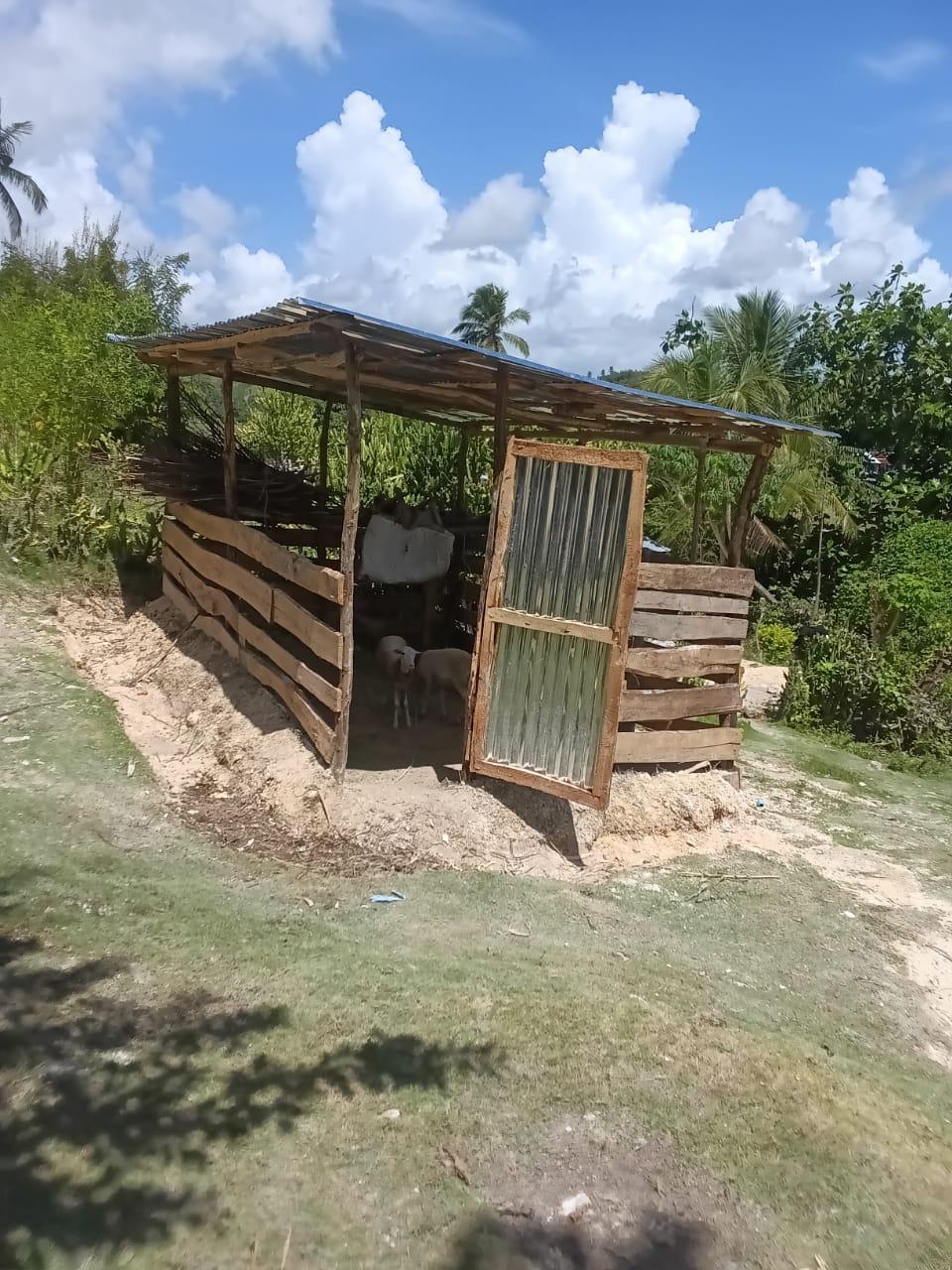
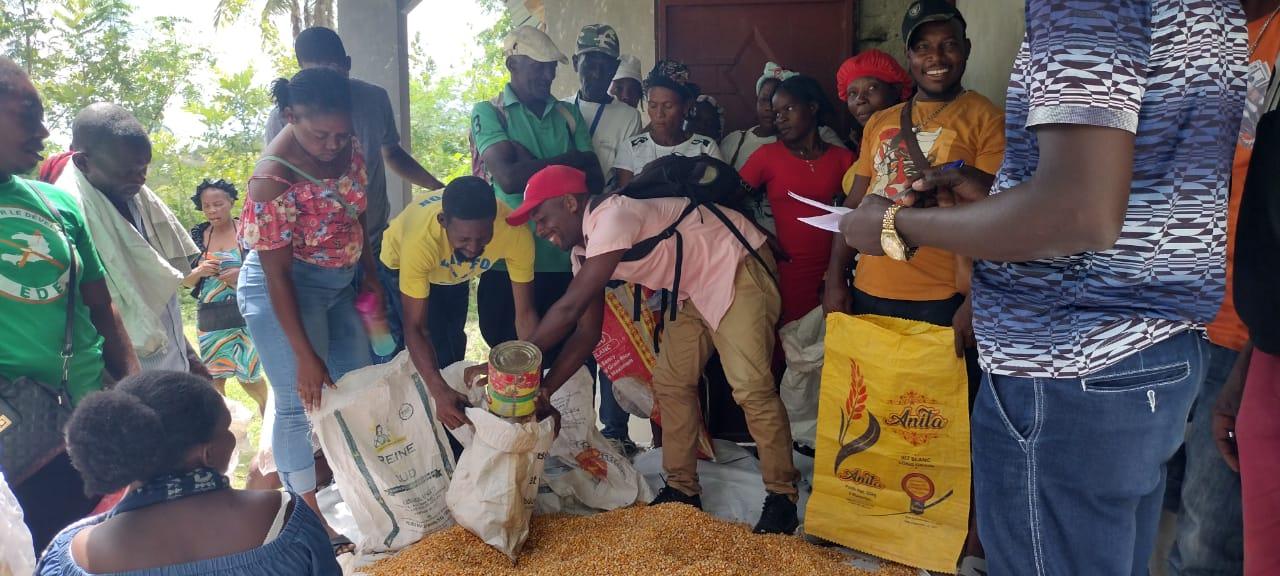
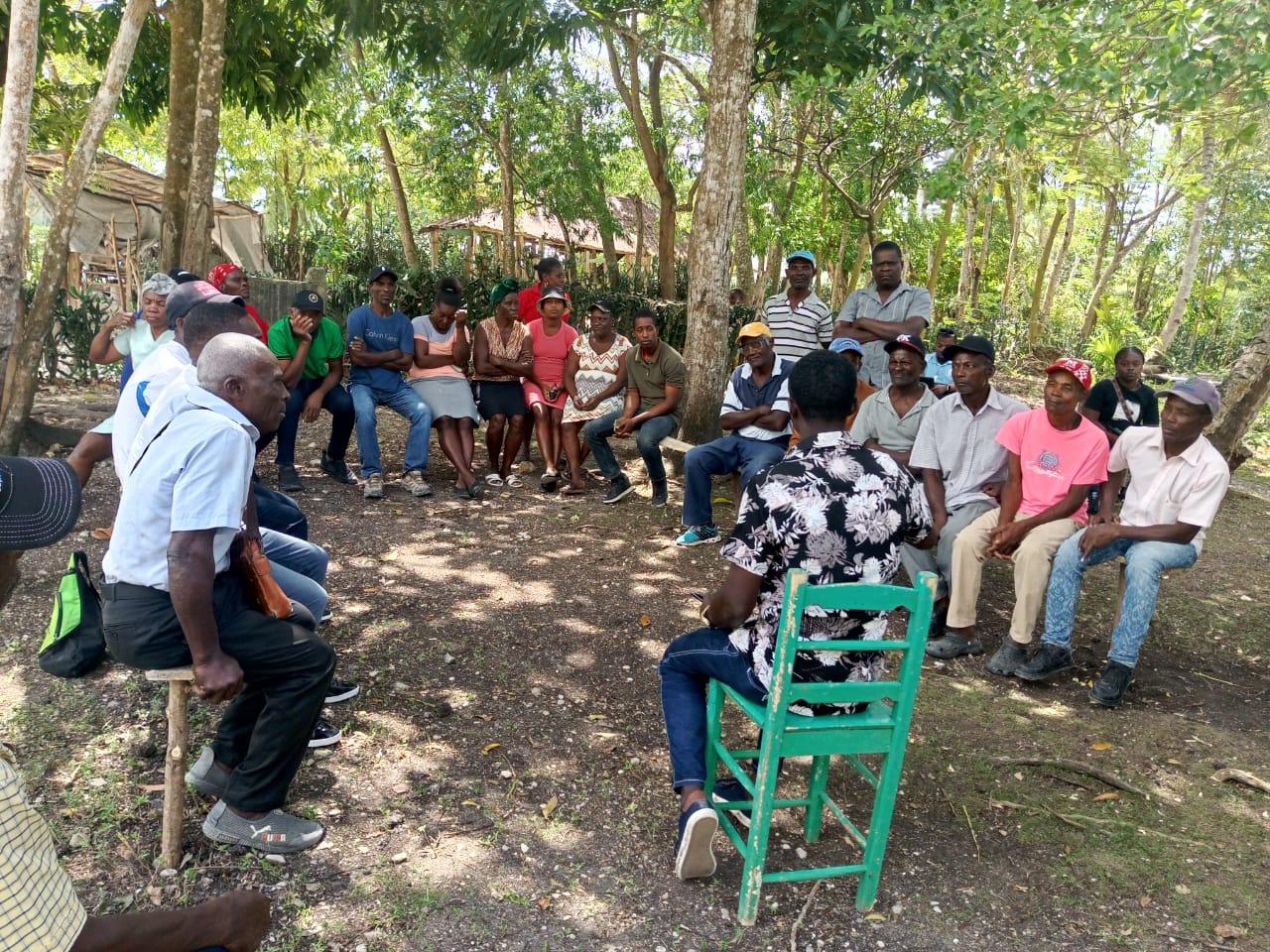
DCCH, a member of Caritas, partnered with Quixote Center in 2023 to conduct a needs assessment among rural communities around Les Cayes to identify investment priorities. After consulting with hundreds of community members through interviews and focus groups, together we designed a project that provides targeted investments in agroecological training, animal care, and women empowerment through microloans and small business ventures.  In 2025, we launched the Socio-Economic Recovery Program as a scalable and replicable pilot project working with 100 rural families reaching up to 1000 people. This community-led initiative aims to improve their income and food security while building resilience and eliminating dependence on outside assistance.  DCCH distributes seeds and livestock as loans where recipients return the same quantity of seeds and the first offspring to the program for redistribution. In 2026 we included an additional 100 families. 

Read the final report from the 2025 pilot 

On the Announcement of the Santa Maria's Rediscovery

Earlier this week that they had located the wreckage of Christopher Columbus' flagship, the Santa Maria, off the northern coast of Haiti. For more than 500 years the ship has been sitting beneath the Caribbean Sea mostly ignored by researchers. It was only after retracing Columbus' steps from his original encampment in Haiti that anyone realized the identity of the vessel.

Food Aid Reform: Cargo Preference

The United States is one of the world’s largest food aid providers, yet its practices are inefficient, in part because of the transportation restrictions. Currently, 50% of all aid given must be sent on U.S.-flagged ships, a rule known as Cargo Preference. The argument for this rule is to maintain a reserve of vessels for times of war, and to support the maritime industry. At the start of 2014 Congress passed some modest food aid reforms in what is known as the Food for Peace Act. These reforms included ways we could more quickly reach the hungry at a lower cost to U.S.

Green Schools

So often in development we hear stories of one side throwing money at the other, who can only use it for a project that they never really wanted (or needed). Unlike this one-sided relationship, The Quixote Center’s entire mission is centered on equal relationship with our partners. Over the New Year we learned of a program that has been ongoing in the northwest of Haiti. About 8 years ago, community members founded a network of “Green Schools” – schools dedicated to reforestation. Each school must apply to be in the network, which now boasts over 60 schools.

Marcel Garcon Speaking Events

Marcel is the director of the Peasant Movement of Gros Morne. Through this network of small-acre farmers, Marcel conducts sustainable agriculture trainings and spreads information about our reforestation efforts. Most importantly, Marcel serves as a liaison between the Quixote Center and our on-the-ground partners, ensuring an equal exchange of communication, ideas, and inspiration that define the equal relationships the Quixote Center seeks.

Let's Not Make the Same Mistakes

The horrific disaster in the Philippines has rocked political boats around the world. This kind of devastation is predicted to become more frequent as the Earth's climate continues changing. Even if the Conference on Climate Change takes drastic action (which no reasonable observers expect), the train has left the station on emissions levels, and many scientists now argue that we are barreling past tipping points in climate change.

Let's Not Make the Same Mistakes

The horrific disaster in the Philippines has rocked political boats around the world. This kind of devastation is predicted to become more frequent as the Earth's climate continues changing. Even if the Conference on Climate Change takes drastic action (which no reasonable observers expect), the train has left the station on emissions levels, and many scientists now argue that we are barreling past tipping points in climate change.

Haiti Digest: Food Aid Reform Edition

The Food Aid Reform is moving and shaking! Here at the Quixote Center we have been meeting and collaborating with other lobbyists to follow Congress’ movements as Food Aid Reform negotiations start. Representative Eliot Engel (D-NY), the senior Democrat on the House Foreign Affairs Committee, wrote an on food aid reform, and even specifies Haiti. Here are our two favorite points:

Stolen Wages in Haiti

Last week the Workers Rights Consortium issued a report on garment factories in Haiti that sew for major U.S. brands. The report found:

…garment factory owners in Haiti routinely, and illegally, cheat workers of substantial portions of their pay, depriving them of any chance to free their families from lives of grueling poverty and frequent hunger.

Pages