


Quest for Peace Nicaragua 

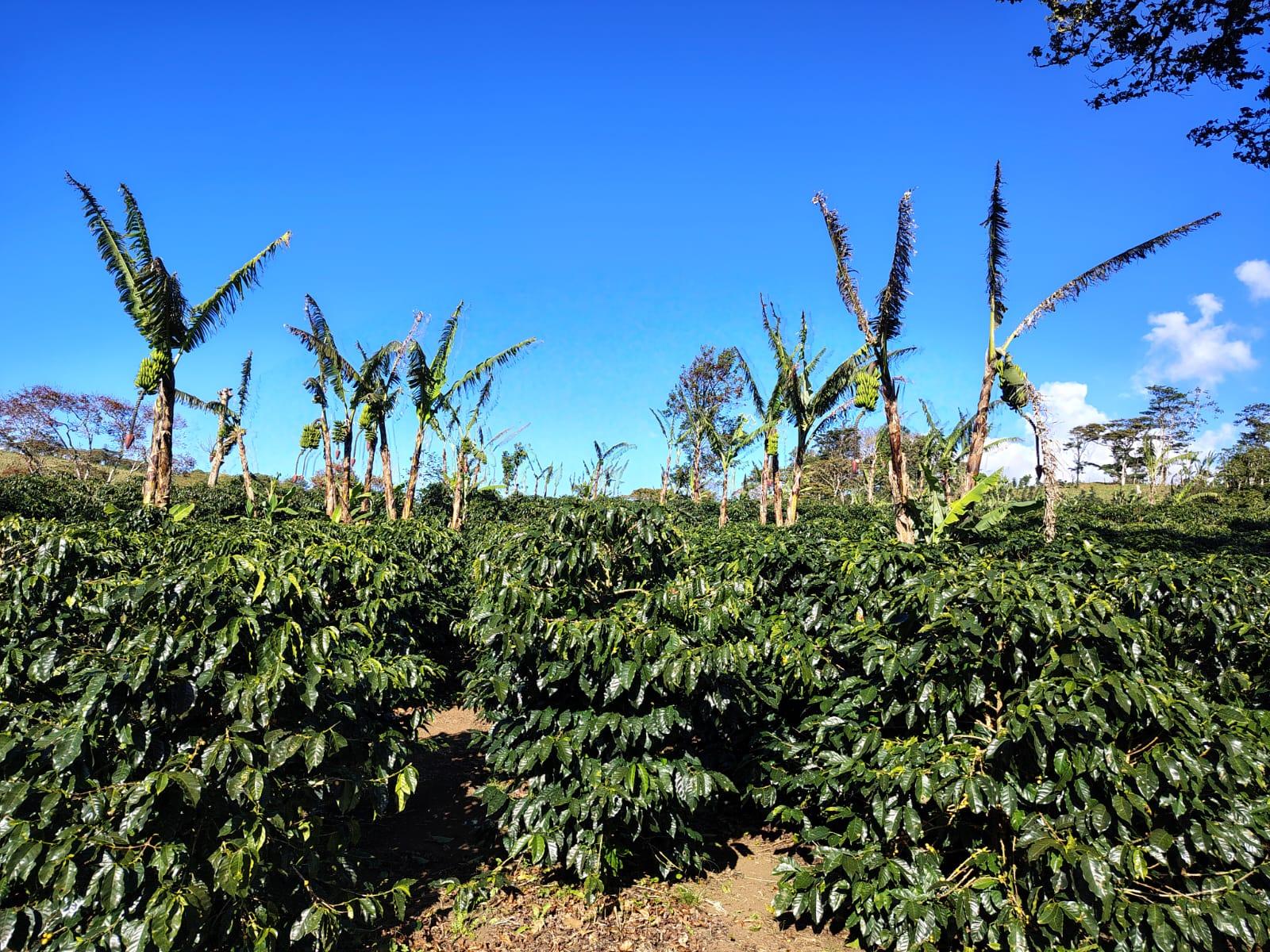
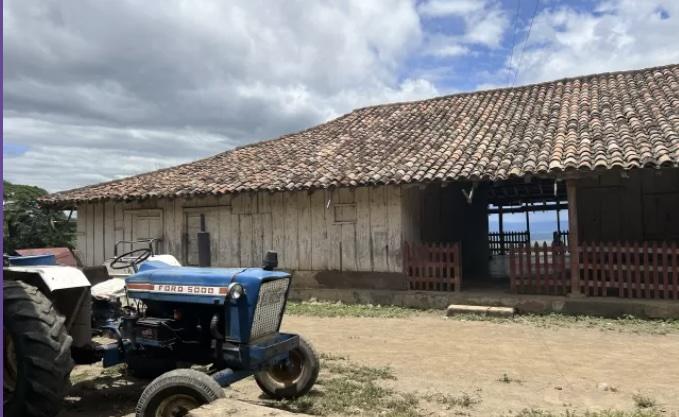
Quixote Center work in Nicaragua has gone through many phases since launching Quest for Peace in 1984 – read about our history . Today, the Center supports poverty relief through economic development in Nicaragua by collaborating with local cooperatives. In 2025 we partnered with Peaceworks to provide a small loan to the El Porvenir coffee cooperative in Leon to enable them to harvest and process their crop. This loan replenished a revolving fund that the cooperative reinvests in their operation after selling their coffee. 

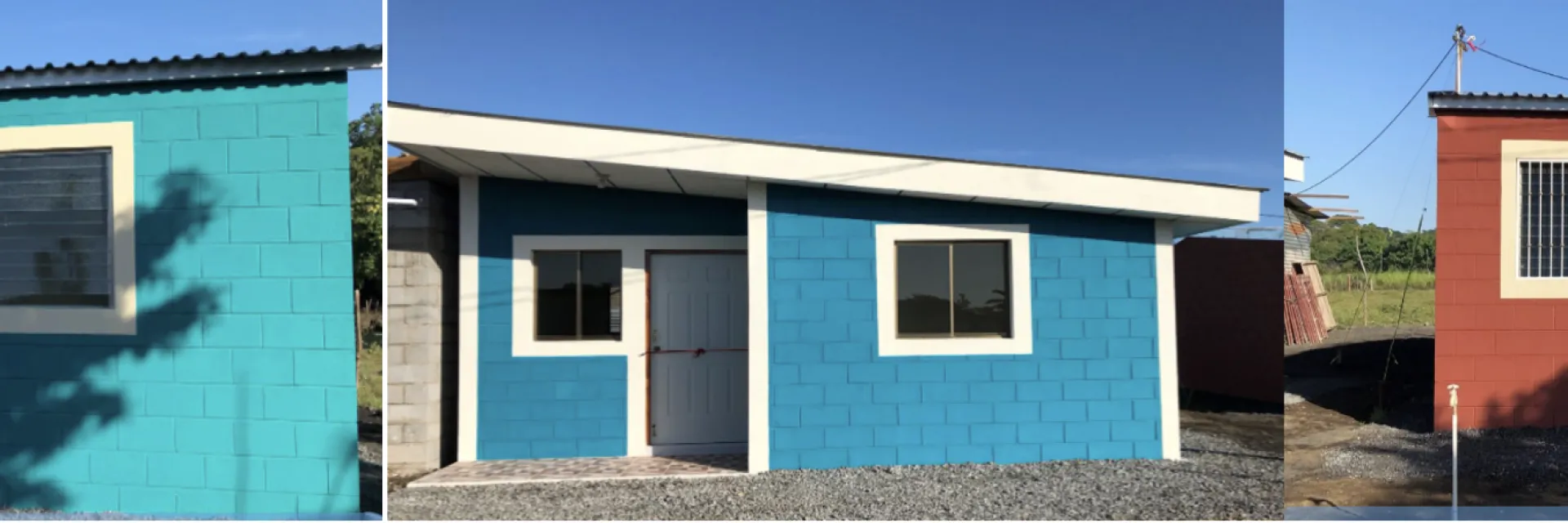
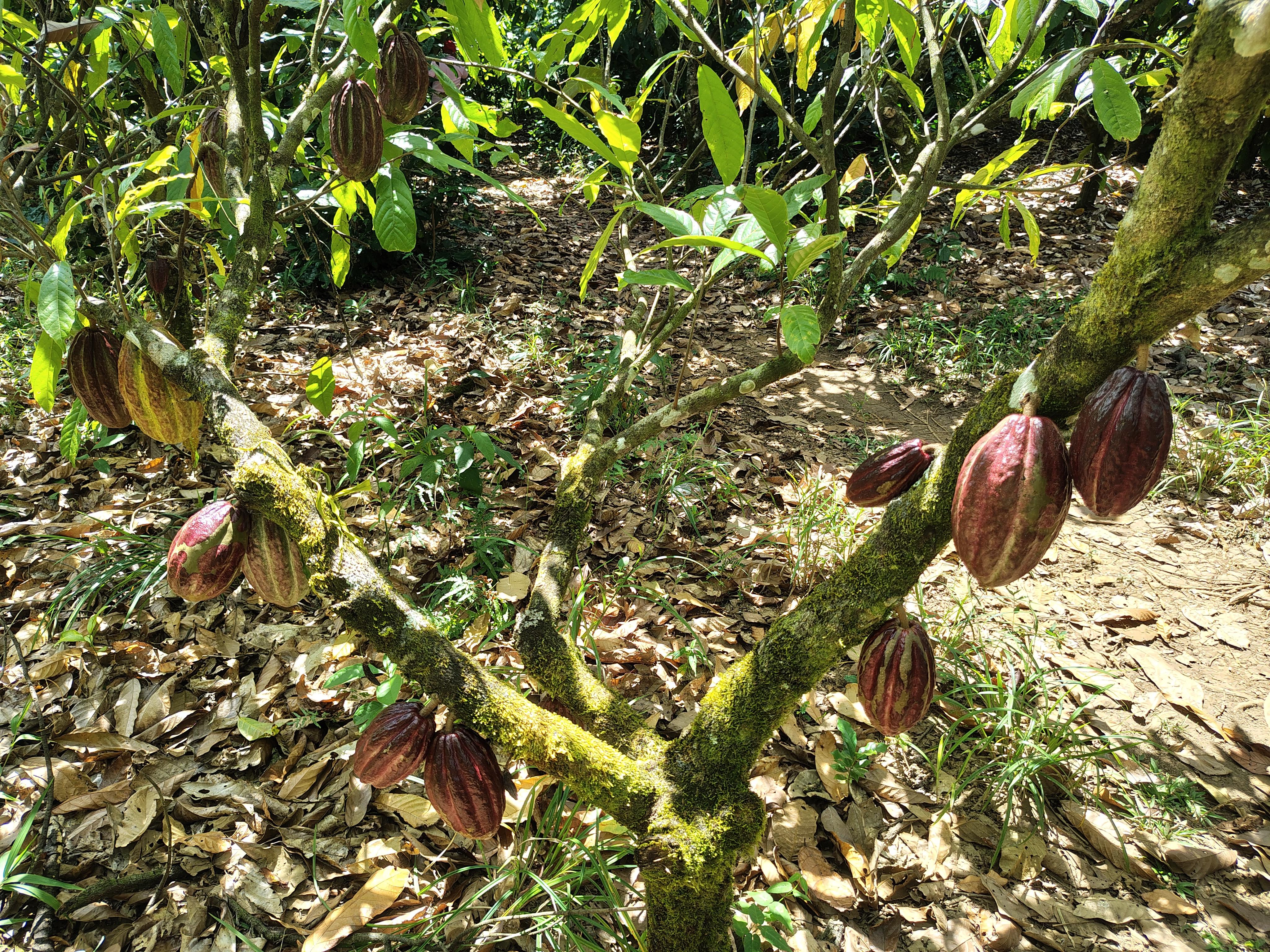
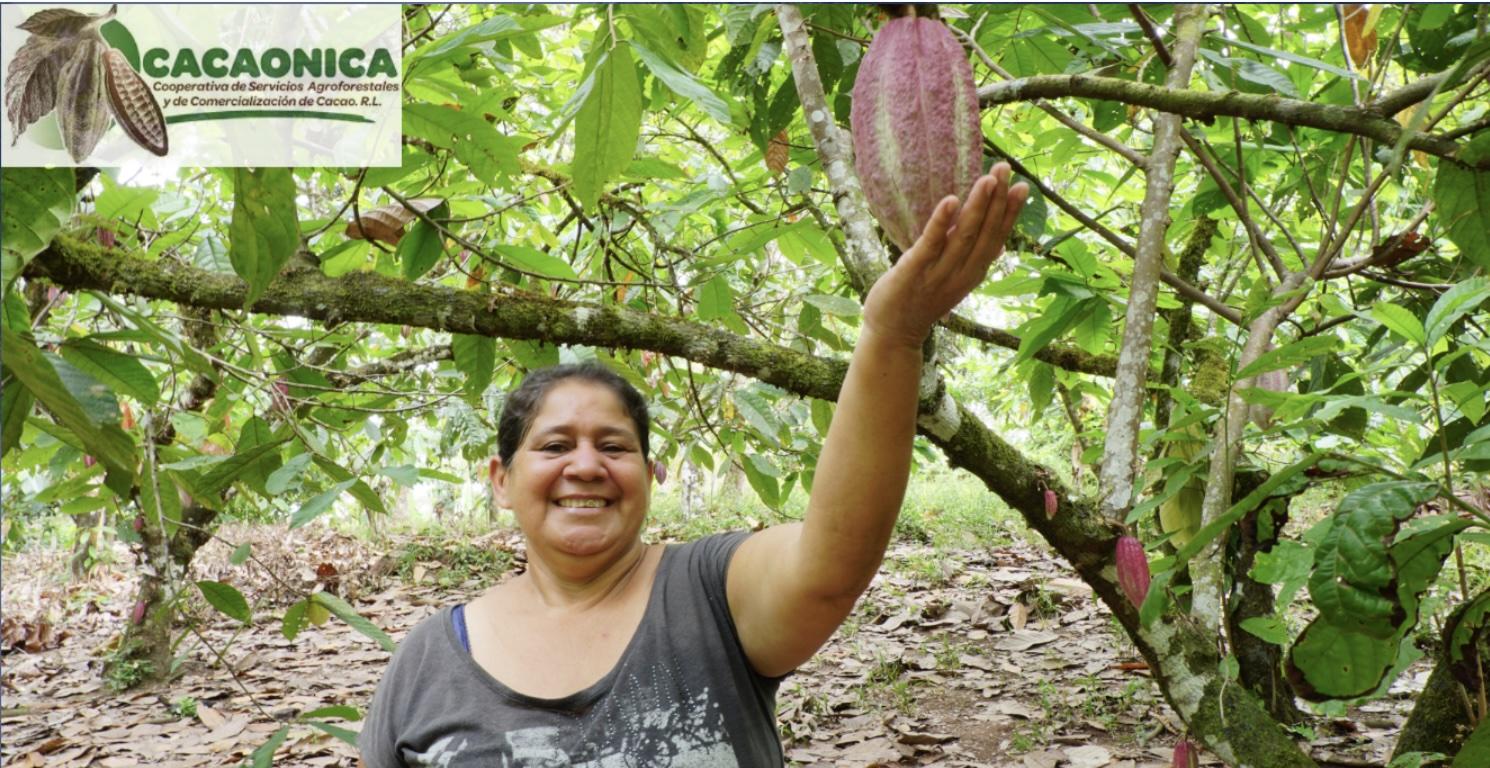
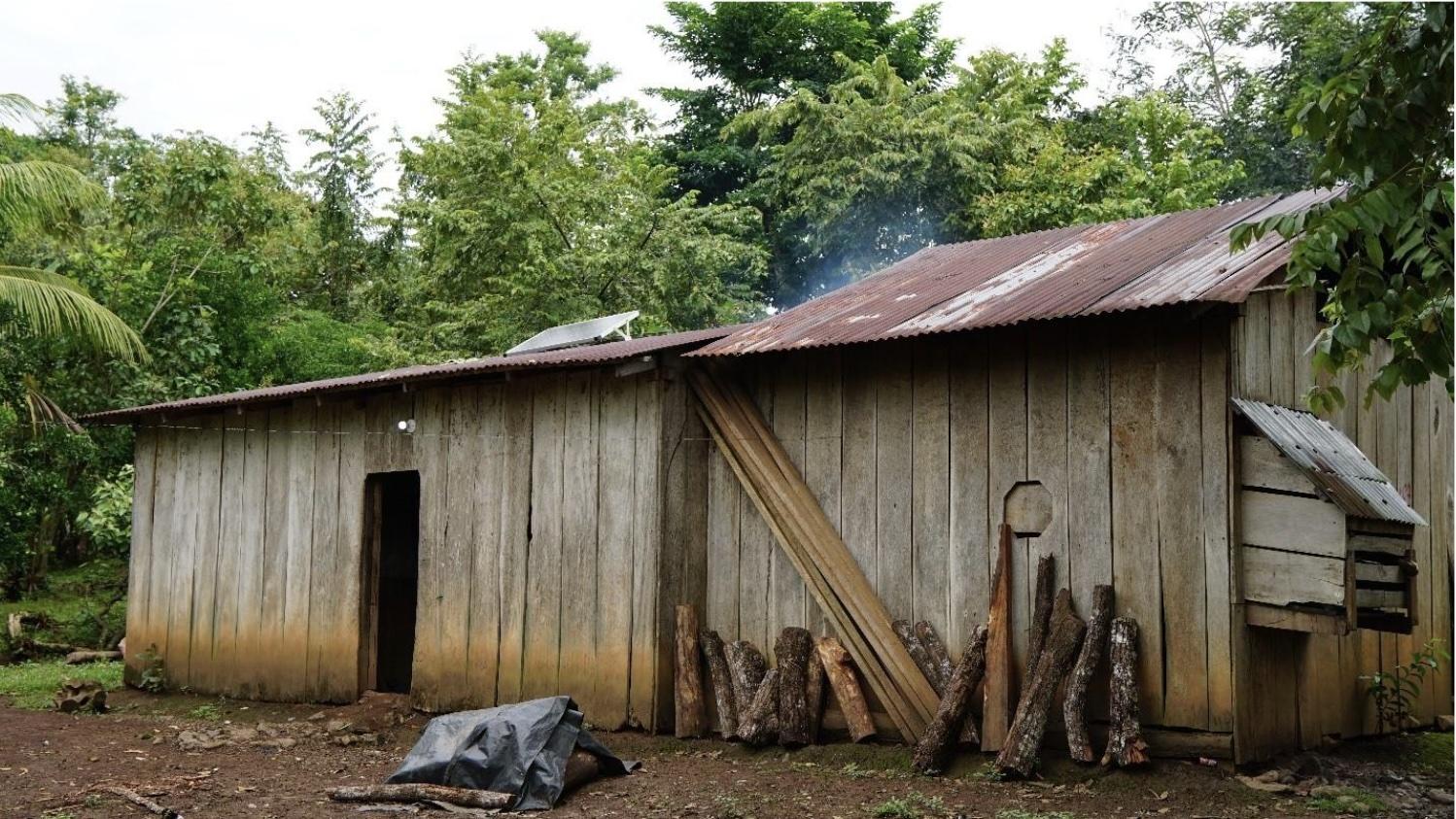
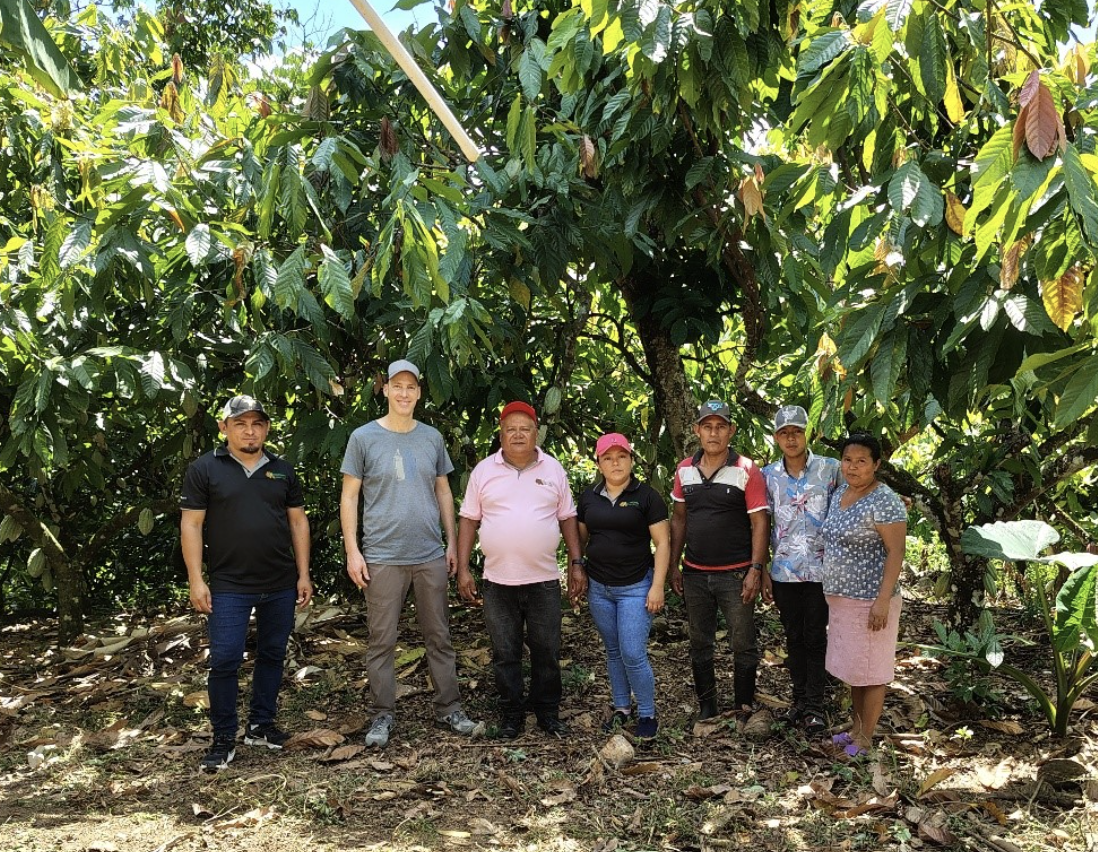
In August 2025, Quixote Center worked in partnership with PeaceWorks and Green Empowerment to support cocoa producers in Waslala, members of the CacaoNica cooperative, to comply with organic certification requirements and increase their income by 30%. The Autonomous Communities in Electrification and Sanitation - ACES pilot project that culminated in December 2025 reached 40 families benefiting close to 200 people by installing: 

  • 40 photovoltaic systems (200kW) 

  • 31 ecological latrines 

These life-changing systems not only increased the farmers’ productivity but significantly improved the quality of life of every family member, particularly the women and children of the household. With our partners we are planning on expanding this project to reach more cocoa producing families in Waslala in 2026. 

Lessons from Haiti: Another View on the Nicaraguan Crisis

Since April 18, the solidarity movement has been struggling over how to interpret events in Nicaragua and where to push in terms of advocacy and/or speaking out. As with many people following the situation, I have watched and listened to friends take a harsh line towards one another and with me about articles I have written. While the division in the solidarity movement is not in and of itself new, the tensions have boiled over. The gulf between people over how the situation is understood and should be represented is enormous. There are even calls from some to support U.S.

Inspirational and Influential Women of the World: Dolly Pomerleau Part III

I first met Dolly in January of 1996. I had just moved to Washington, D.C. and was looking for a job. I had contacted the Quixote Center a few months prior about the possibility of setting up a small project to donate funds to a clinic in Matagalpa, Nicaragua. The clinic served the neighborhood of the Mothers of Heroes and Martyrs, where I stayed in July of 1995 with a Witness for Peace delegation. This had been my first trip to Nicaragua, and the group I was with was eager to help out the community in a meaningful way.

Inspirational and Influential Women of the World: Dolly Pomerleau Part II

Dolly Pomerleau was one of the pioneers who founded the Quixote Center in 1975. She and Bill Callahan launched this justice work with a strong commitment to social justice in both civil society and within the Catholic Church. In both arenas, that justice included changing structures to establish the equality of women and men. Dolly was utterly committed to that and all the other projects and ideals to which the Center committed itself over the years. 

Tell Congress to Support Dialogue in Nicaragua, not Impose More Sanctions

calls on the U.S. government to more aggressively employ the Magnitsky Act as a means to sanction individual members of the Nicaraguan government, while also condemning violence in Nicaragua. The stated goal is to support democracy, but the text of the resolution is not based on a balanced accounting of what has transpired in the country over the last three months.

Update on Nicaragua: The National Dialogue is back on...for now

Following fighting between the Nicaraguan government and protestors in mid-April during which nearly 50 people were killed in four days, the National Dialogue was set up as a means to discuss the conflict and work toward justice for the victims of the violence. At the table are the government, representatives of the national university system, labor unions, and the opposition Civic Alliance for Justice and Democracy, composed of students from the April 19th Movement, the Superior Council of Private Enterprises, and representatives of "civil society" organizations.

Update on Nicaragua: Interview about Situation in Masaya

Over the last week there has been an increase in violence in Nicaragua. In Masaya several people were killed, government buildings burned, a market ransacked, and ongoing blockades of the roads leading into the city.  Much of the media attention about the ongoing political crisis in Nicaragua has ignored the conflicts in cities outside of Managua, or focused solely on accusations of excessive force by the police.

Update on Nicaragua: Amidst Ongoing Violence, National Dialogue Suspended Again

The Inter-American Commission on Human Rights (IACHR) issued its preliminary report (available  and ), following its investigation May 17-21, that 76 people were killed during protests that began in April and in demonstrations since. Drawing on hundreds of interviews, they documented that the government of Nicaragua, especially the anti-

Statement of the Cooperative Movement of Nicaragua on National Dialogue

The Cooperative Movement of Nicaragua issued the statement below on May 5, 2018 regarding their participation in the National Dialogue process, which was formally launched on May 16. As of this writing, Orlando Núñez has not been included at the main table of negotiation as requested in this letter. [ listed,  from El Nuevo Diario].  We provide a translation into English below.

Pages