


Statement: On the fire at the Immigration Detention Station in Juárez, Mexico
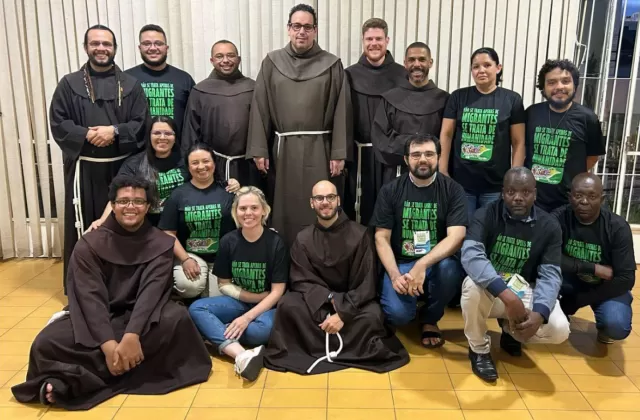
Below is a statement we released with our partners at the Franciscan Network for Migrants. Click HERE to read the original statement in Spanish.
Quixote Center works to defend the human rights and dignity of the most vulnerable by influencing U.S. foreign and immigration policies, through educating our supporters, allied organizations, and government officials, and through actions directed at specific policies. Extreme poverty and vulnerability lead families to make the heartbreaking decision to migrate, to the United States or elsewhere. Our policy priorities address the root causes of migration in Haiti, Nicaragua and across Latin America and the Caribbean. We also defend the rights of migrants in the United States and work toward safe and non-exploitative legal pathways that recognize the important role immigrants play in our society and economy.
We educate our constituencies through:
Quixote Center impacts policies through:
Subscribe here to receive our weekly eblast.
You can view a recent webinar on Weapons Trafficking to Haiti here.
Click here for our latest action.
Below is a statement we released with our partners at the Franciscan Network for Migrants. Click HERE to read the original statement in Spanish.

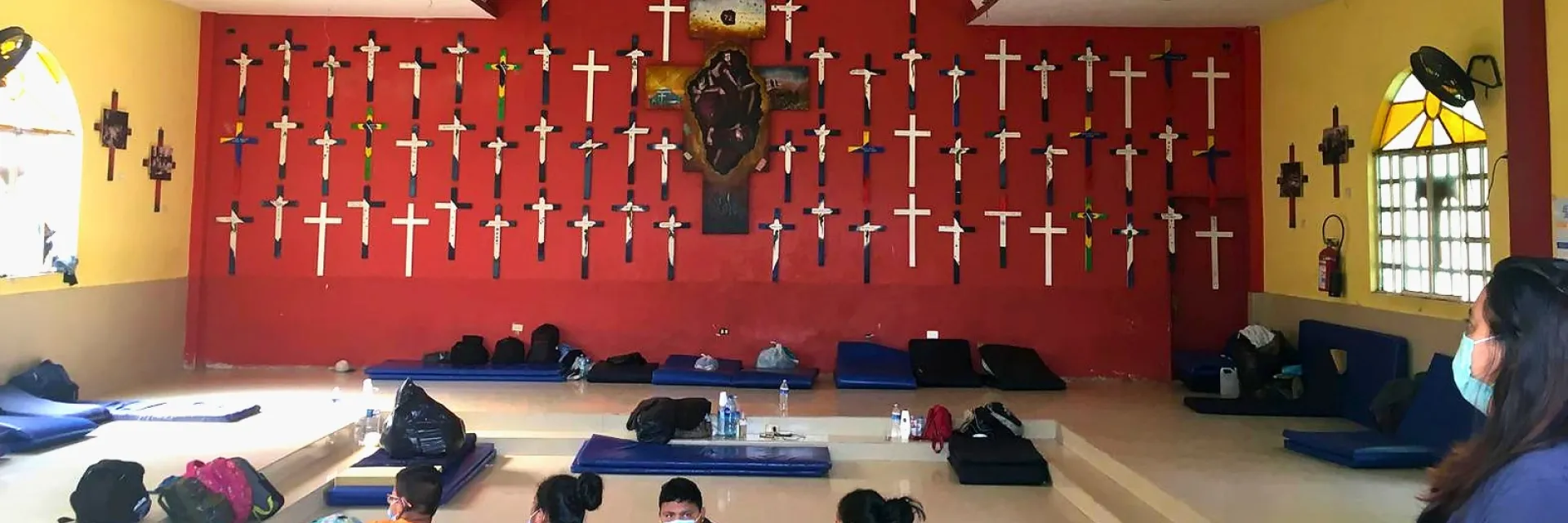
This past week, the Quixote Center team traveled to Panama to meet with our partners at the Franciscan Network on Migration (RFM), to learn more about the conditions migrants encounter in Panama and see how we can continue to accompany and support the RFM’s work there.
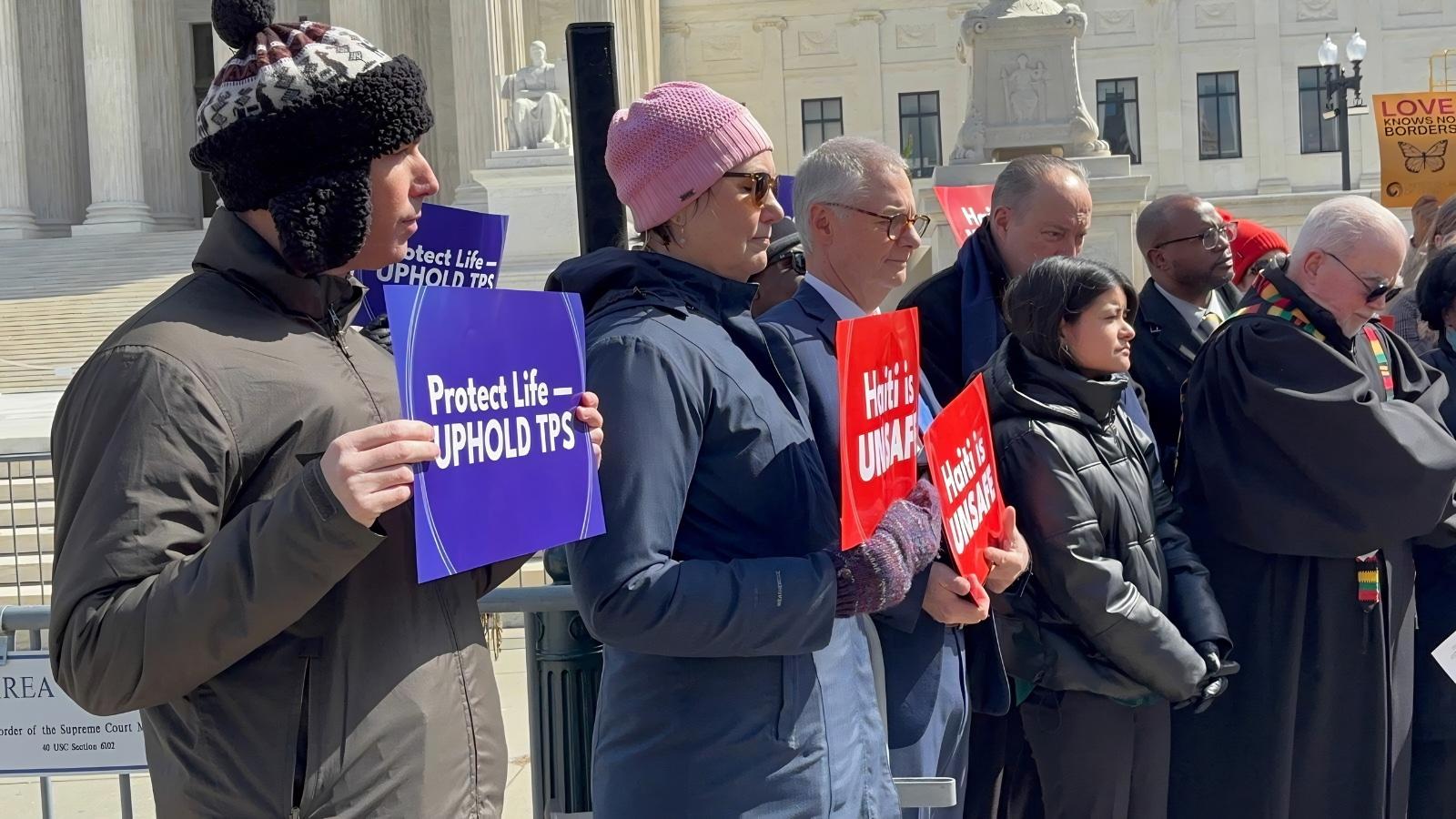
The Biden administration extended and redesignated Temporary Protected States (TPS) for Haiti on Monday, December 5, 2022. Secretary of Homeland Security, Alejandro Mayorkas made the decision after the administration received pressure from US advocates and members of Congress.

November 1, 2022
Mr. Jorge Abad
Area Director for Central America and the Caribbean
USDA APHIS PPQ Preclearance and Offshore Programs
4700 River Road, Unit 66
Riverdale, MD 20737
RE: Mango Preclearance Program in Haiti
Dear Mr. Abad,
We are writing as partner organizations to groups working with small-scale producers in Gros Morne, Haiti.
The armed group, the G-9 Families and Allies, seizing control of the fuel terminal at Varreux has dominated news from Haiti for the past two months. The group’s blockade of fuel entering the country impacted food delivery and medical supply chains just as cholera was presenting again. The blockade, and apparent inability of Haiti’s police to deal with the situation, became the chief talking point for those seeking an armed intervention. Over the last six days the situation has changed.
On Wednesday, September 7, thousands of people mobilized throughout Haiti in demonstrations against the de facto government of Ariel Henry. Protests against the government have been growing as insecurity has gotten worse, and the economy continues to decline.
The AFL-CIO’s Solidarity Center just released their latest living wage study for Haiti, The High Cost of Low Wages, with a particular emphasis on wages and conditions for garment workers. The garment sector employs close to 58,000 workers, 63% of whom are women.
The United States Coast Guard is intercepting refugees from Haiti and Cuba and returning them back to their home countries in record numbers. As of August 12, 2022, the US Coast Guard had interdicted 6,812 Haitians since the current fiscal year began; over 4,000 Cubans have been intercepted as well.
(in Kreyol)
The crisis of insecurity in Port au Prince is severe. In July alone nearly 500 people were killed when rival gangs warred in Cite Soleil. Armed groups control transportation routes into and out of the capital, and use this position to extort travelers and businesses, engage in kidnappings, and use extreme violence against those challenging their position.
UPDATE: The DC Attorney General's office, whose funding is separate from that of the mayor's office, has announced a grant program of $150,000 to aid nonprofits leading the welcoming response. We welcome this news, but unfortunately this level of funding is still woefully inadequate to meet the needs of mutual aid groups.