




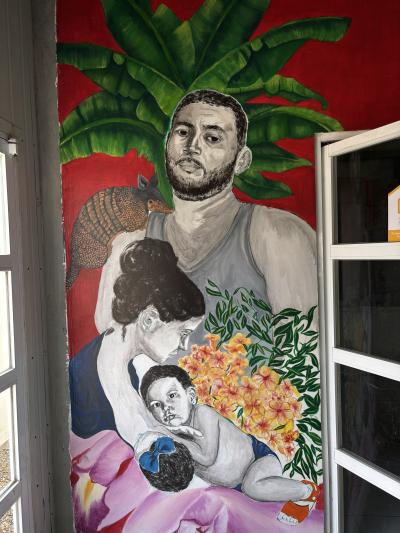
Starting a family takes a lot of planning. Finding medical appointments, setting aside funds for delivery, and even planning for post childcare can be a challenge. For some immigrant women in the United States, a medical appointment may carry additional weight. What does maternal health look like when stability and immigration status are in turmoil?
The threat of ICE deportation continues to loom over families, who fear putting their status at risk when looking for any type of assistance. In February 2026, a Greater Boston clinician told The Boston Globe about a woman who did not go to the hospital for an ultrasound to check her baby's heart as she feared encountering immigration authorities.
A 2026 analysis of 8,040 appointments at one maternal and fetal medicine clinic in central Texas found that patients missed 18% of visits in early 2025, up from 15% during the same period in 2024, coinciding with the changes in federal immigration enforcement policy.
In previous years, ICE detained over 4,600 pregnant women between 2016 and 2018. 28 of those women reported a miscarriage attributed to inadequate or delayed medical attention, denial of prenatal care, and being subjected to practices such as shackling around the abdomen. We are concerned that fear of deportation keeps mothers from accessing the care they need.
Care affordability creates an additional barrier for immigrant women in the United States. In 2025 North Carolina study researchers conducted 20 interviews in Spanish with Latina mothers who had given birth in the United States. Mothers described immigration fears and complicated applications for public benefits, but they identified cost as the biggest barrier to health care. One mother reported owing $1,000 for two clinic checkups, while another worried about how much weight she had lost after giving birth. She never told a doctor because she expected the clinic to charge her. Immigrants are pushed into jobs and industries that are less likely to offer broad healthcare options, employer-sponsored coverage, and are more likely to be priced out of insurance.
If a mother can afford care, language barriers also threaten the quality of care offered. In Los Angeles and Orange counties, researchers interviewed 18 women who had recently given birth, including 10 Mexican immigrants. Some of the participants did find care in Spanish, yet other still struggled to understand medical terms or give informed consent for procedures. Without awareness to any procedures or care, expecting mothers lose autonomy.
Healthcare continues to be a difficult subject; however, regardless of immigration status, every individual deserves the chance to be treated with dignity. We raise the issue of healthcare in a context of overall persecution of immigrants in the United States by people who purport to care about the lives of women and children. Every mother deserves the chance to deliver a healthy baby, and the means to provide for them after they are born.
Quixote Center supports maternal and infant health through our partnership with the Franciscan Network on Migration. The Medalla Milagrosa shelter in Panama was founded in order to provide respite and access to health care for migrants who could not travel, including and especially pregnant women.
Add comment