
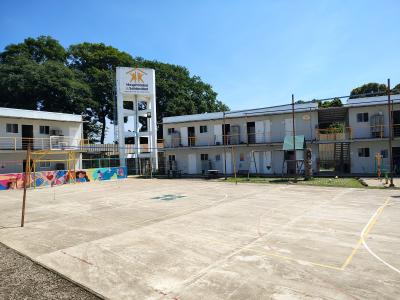
During the final days of Quixote Center’s trip to southern Mexico, we visited Tapachula, Chiapas, just 30 minutes from the Guatemalan border. Over the past several years, Tapachula has become a major immigration processing hub. Because the United States has all but halted processing of asylum and refugee applications, significant numbers of migrants are choosing to stay in Mexico, either permanently, or until they can enter the United States. Mexico is also receiving approximately 70% of the people deported from the US.
Today, nearly half of all asylum applications in Mexico are filed at Mexico’s Refugee Agency’s (COMAR) office in Tapachula. Severe backlogs have left many asylum seekers waiting up to two years for a decision. During that time, they are unable to work legally and are prohibited from leaving the Mexican State of Chiapas.
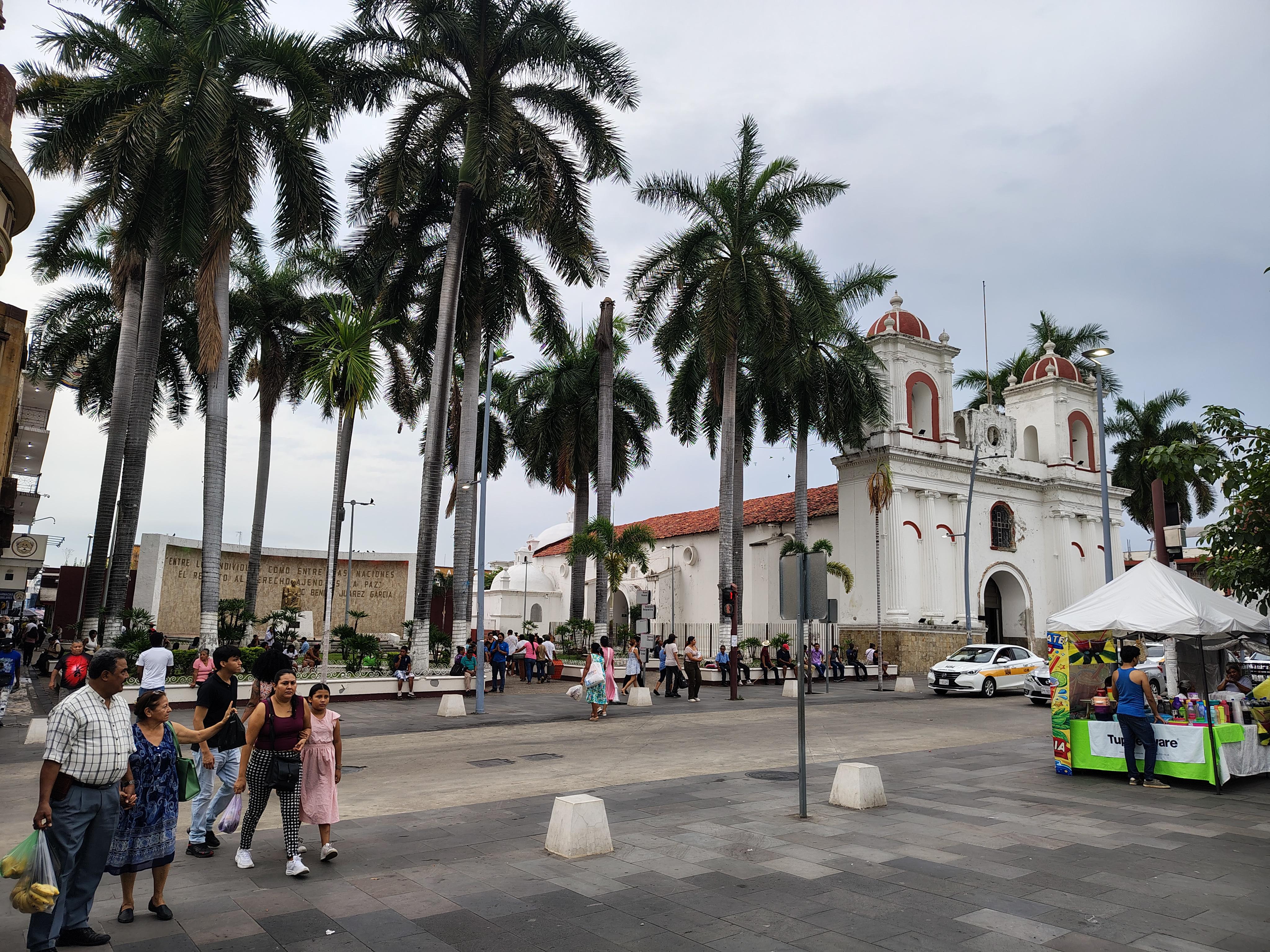
Compared to Villahermosa, where migrants largely remain out of sight, Tapachula's migrant population presence is ubiquitous. Haitians particularly stand out and can be seen throughout the city, gathering in Miguel Hidalgo Park, operating street kiosks, and contributing to the local economy. Yet beneath this appearance of integration lies a deep sense of frustration. Many migrants feel trapped in a city they never intended to call home.
So far in 2026, three migrant caravans have departed Tapachula in an effort to reach Mexico City, Monterrey, or Tijuana, where they believe asylum processing times are shorter. Mexican authorities dispersed all three before they reached their destinations.
For many asylum seekers, especially those who do not speak Spanish, the process is agonizingly slow. Applicants must first pre-register with COMAR and then wait six months before formally beginning their asylum claim. Throughout the process, they are forbidden from leaving the state where they applied.
Human rights advocates told us that only two Haitian Kreyol interpreters serve COMAR nationwide. COMAR also issues the CURP identification number required to access healthcare, education, and formal employment. Roughly 20 percent of asylum claims are rejected, and advocates report that denial rates are increasing.
This prolonged uncertainty leaves migrants vulnerable to criminal organizations that recruit among desperate asylum seekers, while women and children face heightened risks of sexual exploitation. Those fortunate enough to find informal work on banana or mango plantations earn only about 300 pesos per day, roughly $17 USD. Unscrupulous lawyers often charge between 2,000 and 5,000 pesos to help migrants obtain humanitarian visas.
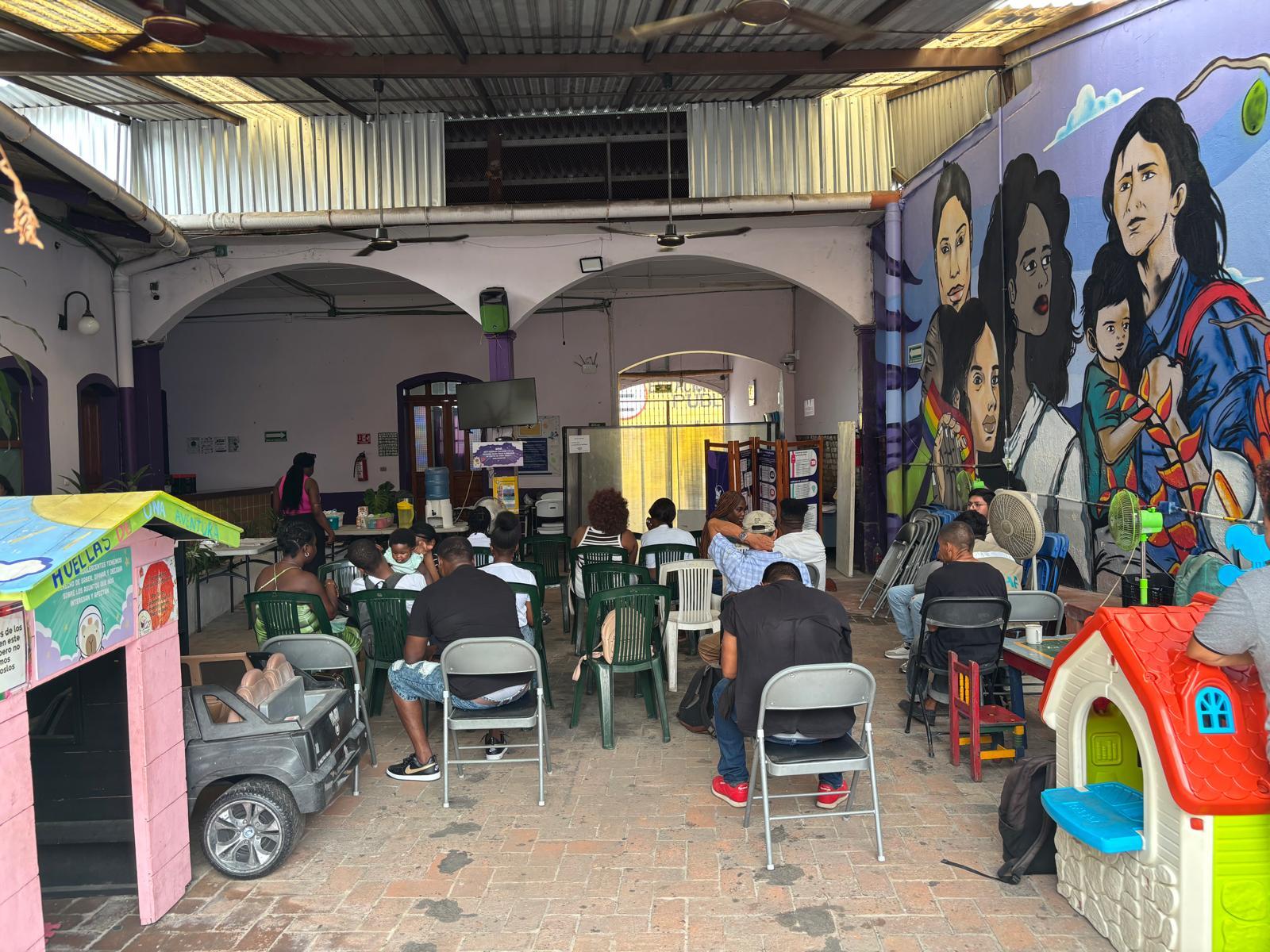
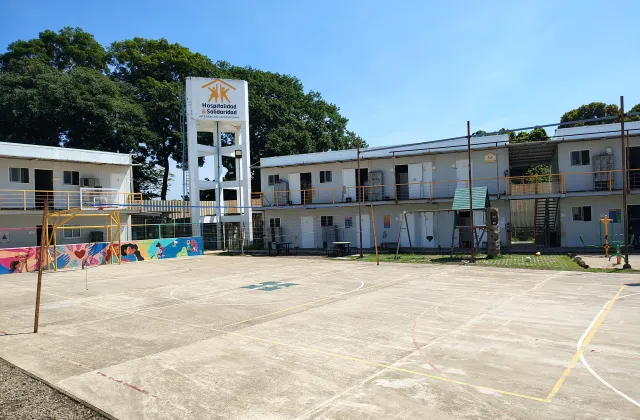
Recent US funding cuts have further weakened an already strained humanitarian response. The Hospitality and Solidarity Shelter (H&S), supported by the United Nations High Commissioner on Refugees (UNHCR), currently houses 84 residents despite having space for 200. US funding cuts forced the shelter to eliminate 25 percent of its staff and limit future capacity to just 100 residents. Health and legal services have been hit especially hard: the shelter no longer has a doctor or psychologist, and only one paralegal remains.
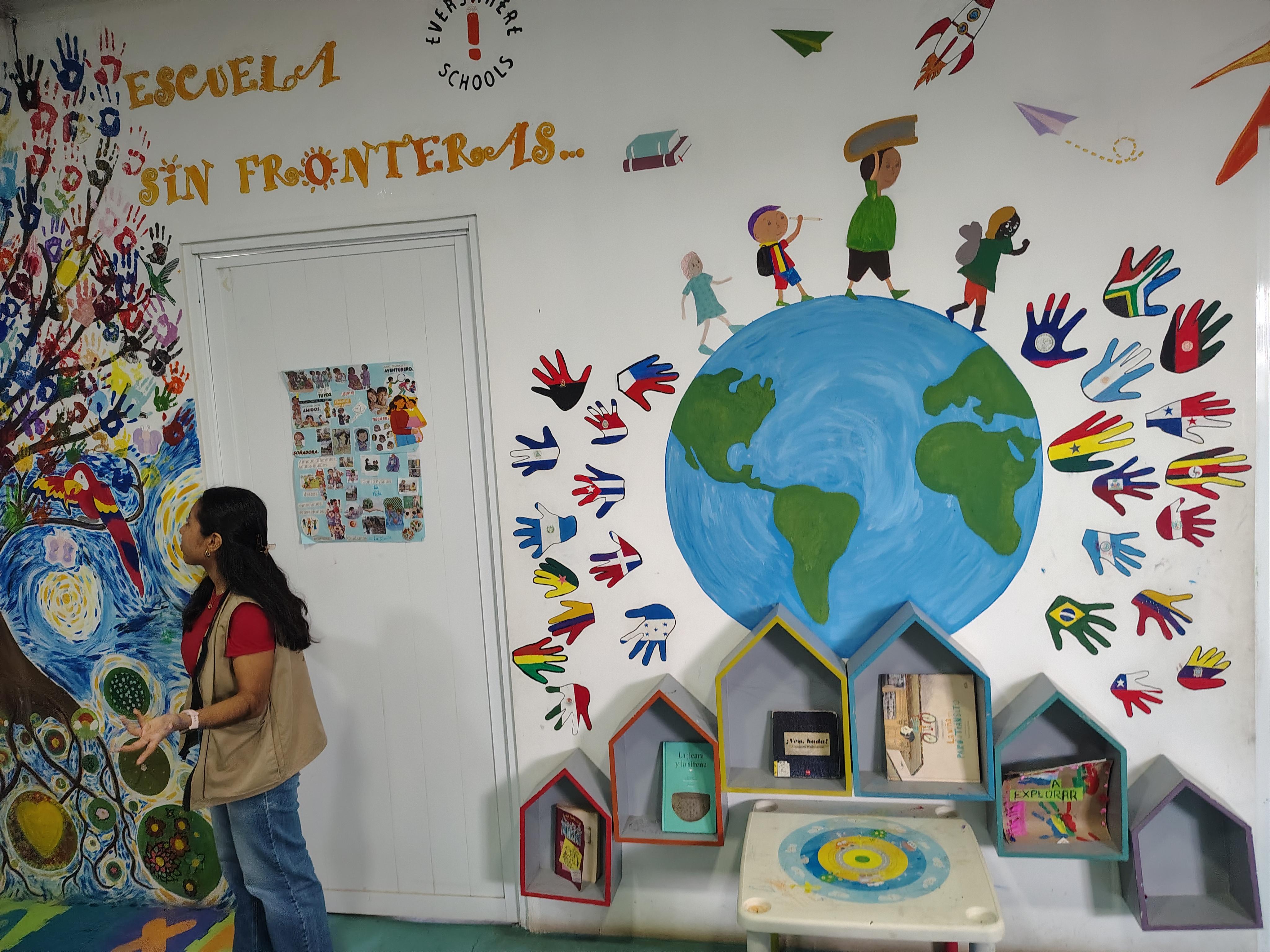
Some residents have lived at the shelter for more than two years while waiting for legal status. One bright spot is the shelter’s Escuela Sin Fronteras (School Without Borders), which serves children ages 4 to 17. The program helps students develop literacy skills and provides certificates that facilitate their integration into Mexico’s public school system.
An official from the International Organization for Migration described the situation as a “pressure cooker” that could explode at any moment. Tapachula simply does not have the resources to receive and resettle this many people. As long as the root causes of migration (violence, insecurity, and political instability) remain unresolved, migrants continue arriving. Hondurans cross from Guatemala, while Haitians often undertake dangerous maritime journeys directly to Mexico, sometimes at the cost of their lives.
The Mexican government’s humanitarian support remains largely focused on deported Mexican nationals through the “México Te Abraza” program. Meanwhile, many asylum seekers and deportees suffer from severe trauma and mental health challenges that go untreated.
The stakes are rising. In 2025, the United States deported 222 Haitian nationals to Mexico. The approximately 350,000 Haitians currently protected by Temporary Protected Status (TPS) lost that protection following Thursday's Supreme Court decision. Many may choose to relocate to Mexico rather than return to Haiti. Such a development would place even greater strain on an already overwhelmed system, increasing the risk of exploitation, unrest, and preventable deaths.
This is why protecting Haitian TPS holders is vital. We urge everyone to contact your Senators and ask them to co-sponsor the Haiti TPS Bill, S.4814, which would require the Secretary of Homeland Security to extend TPS protections for Haitians through 2029.