




Since January 2025, Quixote Center has partnered with DCCH (Développement Communautaire Chrétien Haitien) to strengthen agriculture, livestock, and the social and solidarity economy among farming families in Gouin, Sainte-Hélène, Archambeau, and Tricon, in Haiti’s Southern Department. The goal is to equip rural families with the knowledge, resources, and collective strength to improve their livelihoods and withstand growing environmental challenges.
Haiti is highly vulnerable to drought, tropical storms, floods, and earthquakes. Between May and September 2026, a severe drought left rural families unable to plant their fields for five months, threatening harvests and household incomes.
With crops on hold, DCCH’s technical team turned to what farmers could still cultivate: knowledge, preparedness, and solidarity.
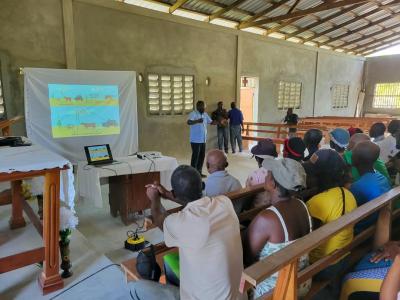
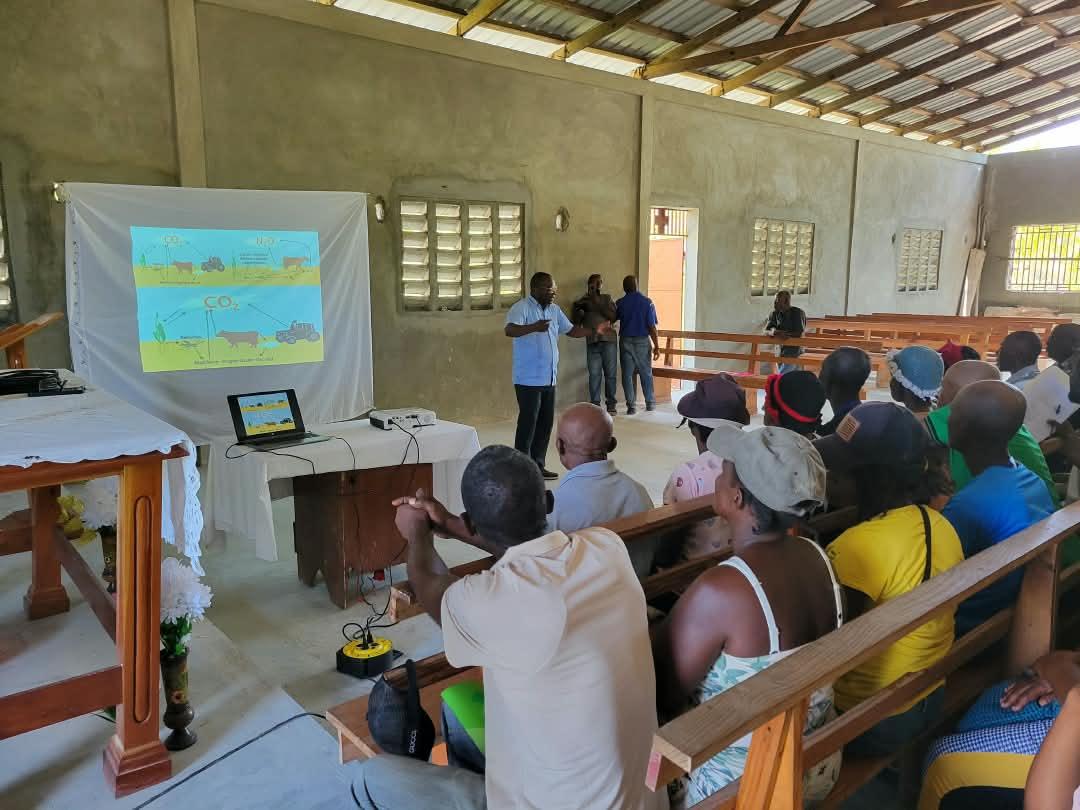
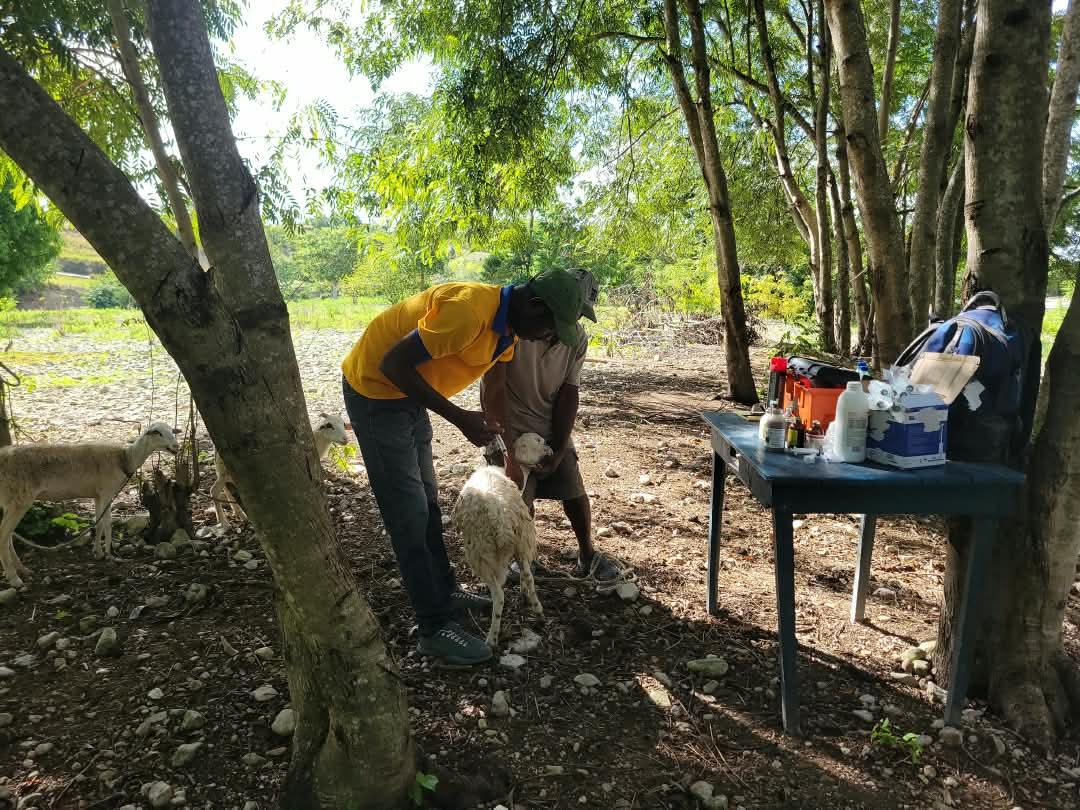
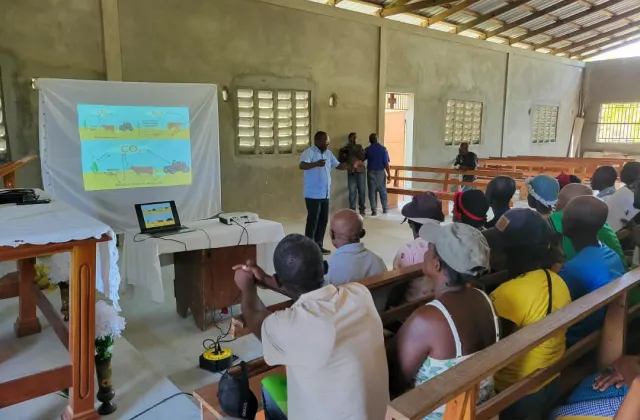
Through practical workshops, farming families learned how to compost and manage waste, develop family emergency plans and evacuation routes, adapt to climate change, protect water and livestock, and improve animal husbandry. Sessions also challenged gender stereotypes and encouraged greater equity. Women made up the majority of participants, creating spaces where women learn, lead, and shape community decisions.
The reach extended beyond the 200 families enrolled in the project with 454 people participating in the livestock management workshop alone.
When Crops Fail, Solidarity Sustains Families
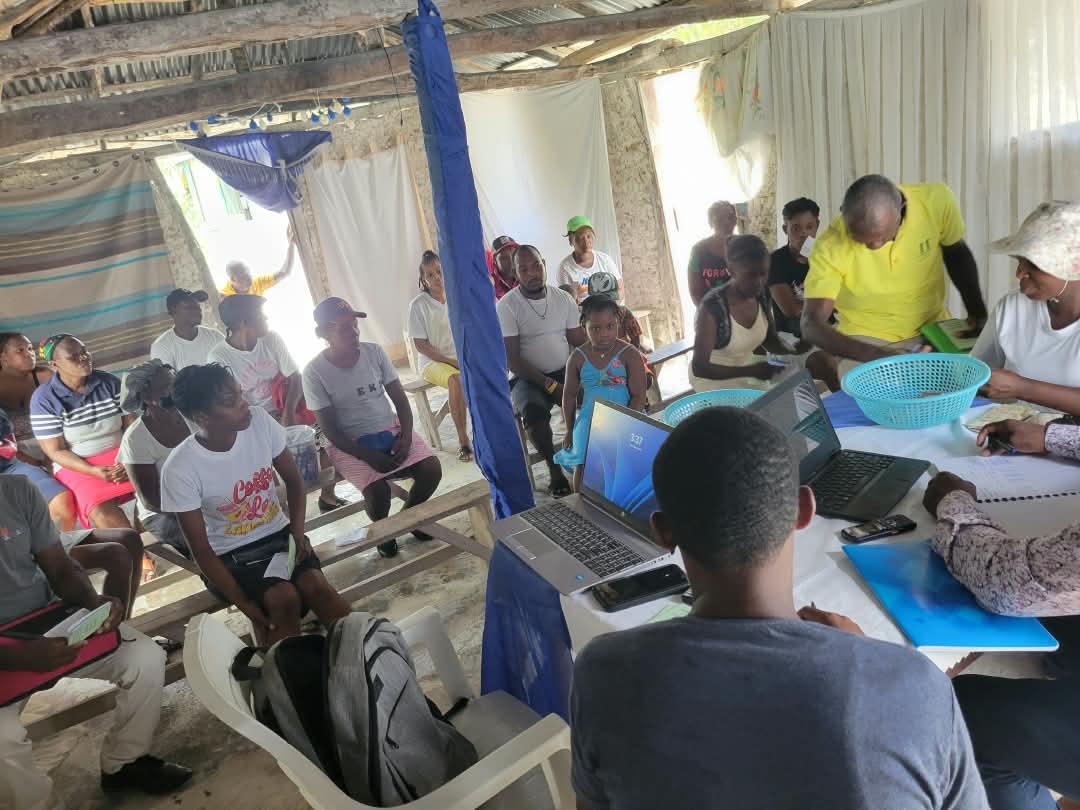
During the drought, Solidarity Mutuals (MUSO) once again provided an essential safety net. These are a type of community bank that is run by their members that hand out small loans at a very low interest rate. In rural Haiti, access to such financial service is practically nonexistent. Across six active MUSOs, 195 members contributed $2,682.39 to their collective funds and repaid $6,434.58 in loans during the third quarter, at an interest rate of just 1%.
These community-based funds help families meet urgent needs and invest in alternative income-generating activities when farming becomes impossible.
Investing in Livestock, Investing in the Future
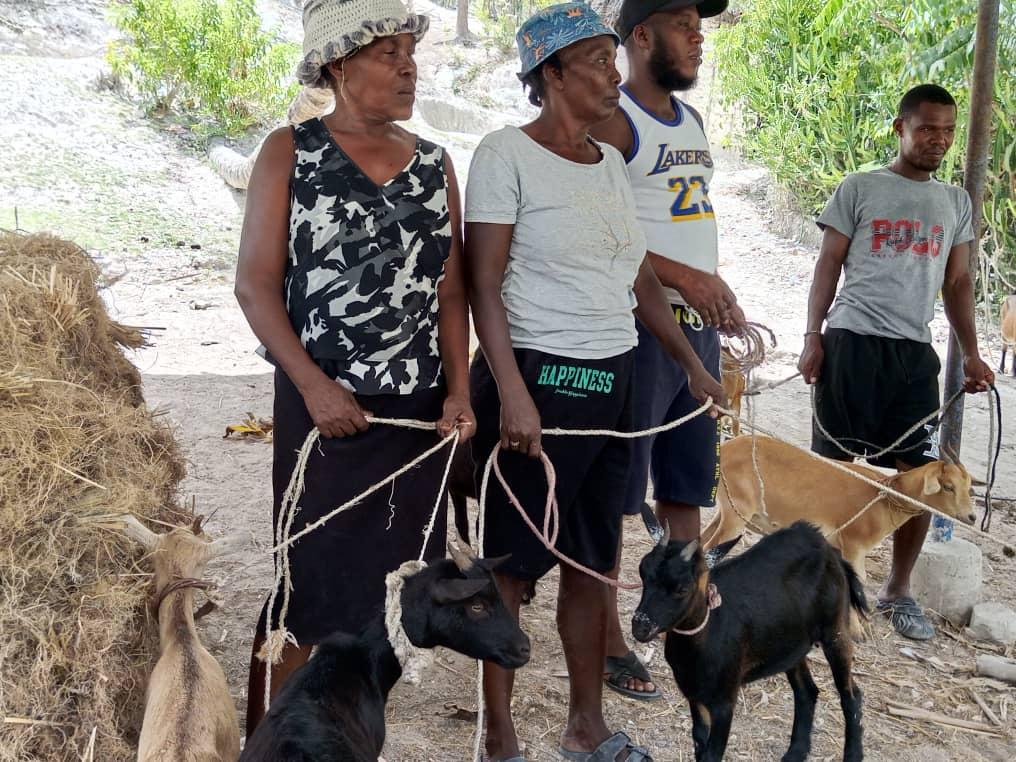
Livestock offers a crucial source of income for rural Haitian families. Between July and September, DCCH distributed 10 female pigs and cows to farmers in Tricon and Archambeau through a revolving animal-loan program. Their offspring will be passed on to other participating families, extending the benefits throughout the community.
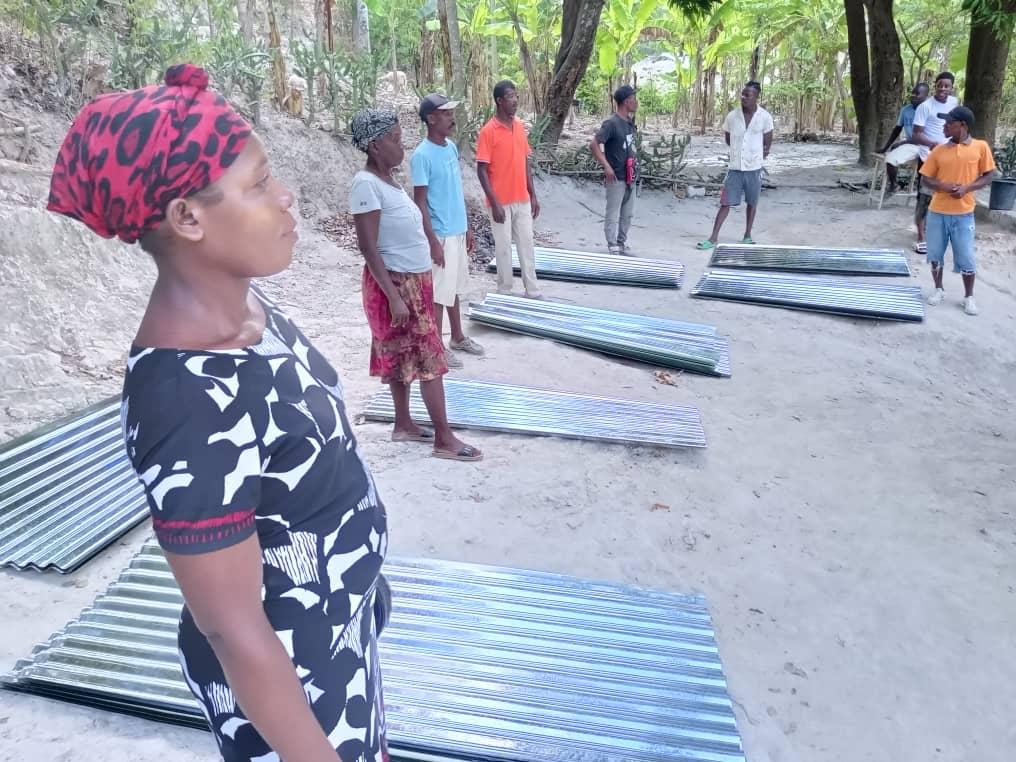
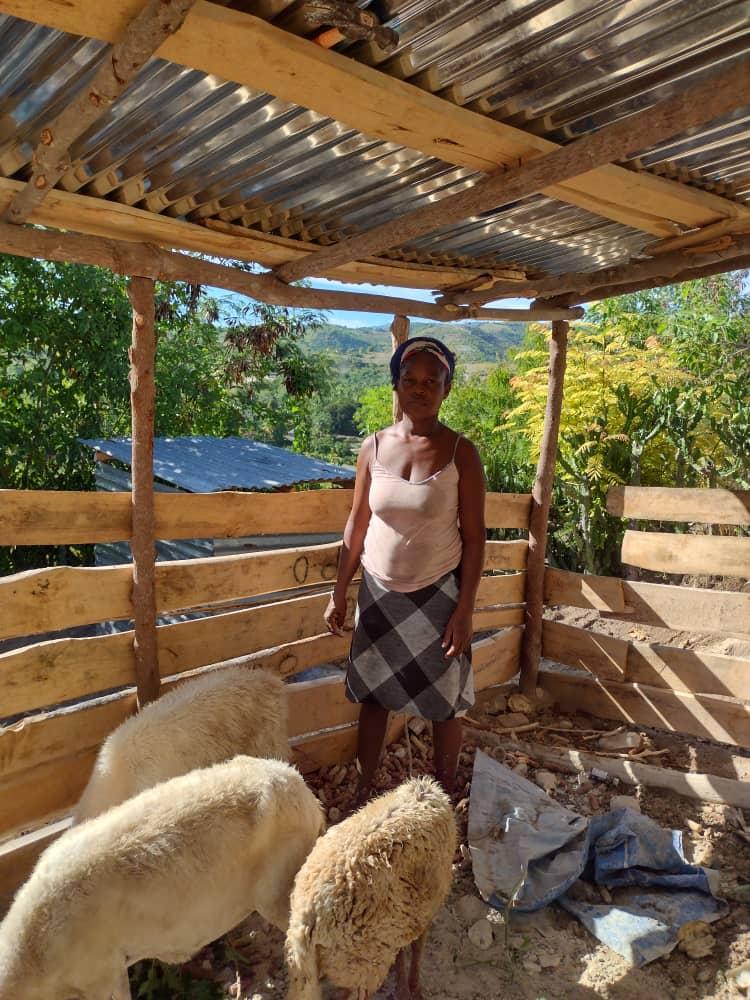
In Tricon, 15 farmers also built animal pens with project-provided materials before receiving two female goats or two female sheep each. Applying what they learned in livestock management, they will work to prevent inbreeding and raise healthy animals, creating new sources of food and income.
Ready for the Rains
After five months of drought, our partners now fear torrential rains that could bring another wave of crop losses. Farmers cannot control the weather. But they can strengthen their preparedness, diversify their livelihoods, manage their resources, and make better-informed decisions.
Their fields are plowed and ready for planting. Their knowledge has grown. Their networks of mutual support remain strong.
Here is a video interview with Simy, chief agronomist for DCCH about agriculture, community development and methods for success:
Add comment