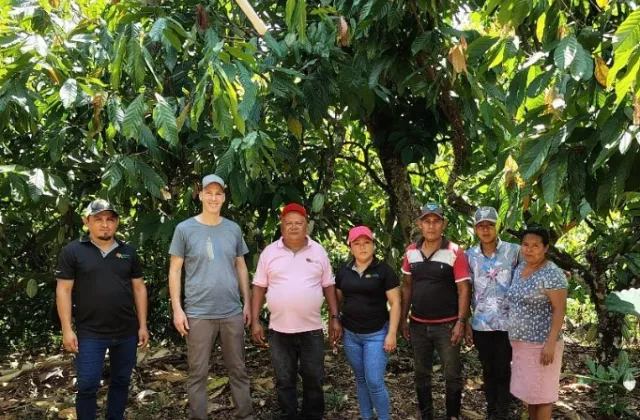

From February 14-21, Quixote Center traveled to Nicaragua to meet with partners and participating families of the Autonomous Community Electrification and Sanitation (ACES) project. We launched the new program in August 2025 to enable 40 members of the CacaoNica cooperative to get access to solar electrification systems and ecological latrines in partnership with Green Empowerment and PeaceWorks.
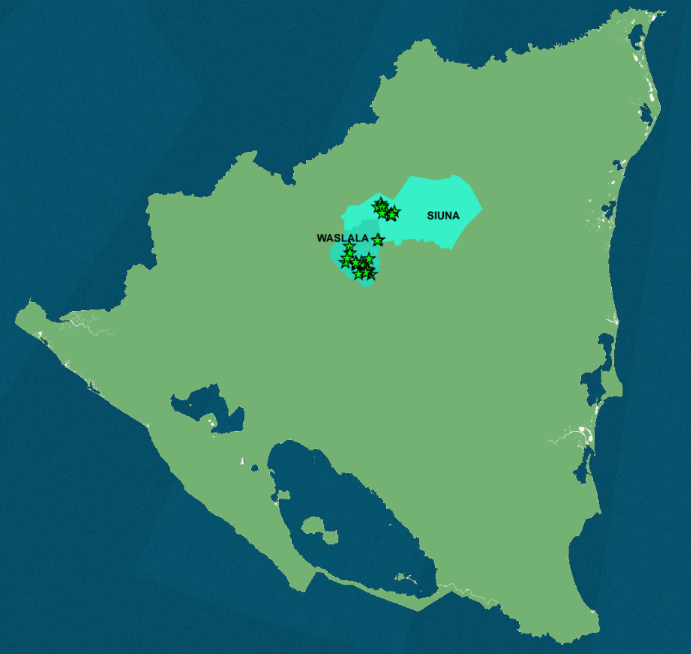 The objectives of this visit were to strengthen our rapport with local partners, better understand the challenges cocoa producers face in Waslala and observe the impact the installation of these new systems is having on cocoa producing families. Located in Nicaragua’s Northern Caribbean Coast Autonomous Region, cocoa producers from the 42 communities CacaoNica works with are scattered through a territory around Waslala that is disconnected from any municipal electricity grid and sewage system.
 Cacaonica’s general manager, the cooperative’s president and the technical coordinator accompanied Quixote Center’s program manager to meet with three participating families. Every participant expressed their gratitude for being part of this program and highlighted the improvements the new latrine and solar electricity systems brought to their lives. We invite you to watch this video and listen to their testimonials about how this project impacted their lives.
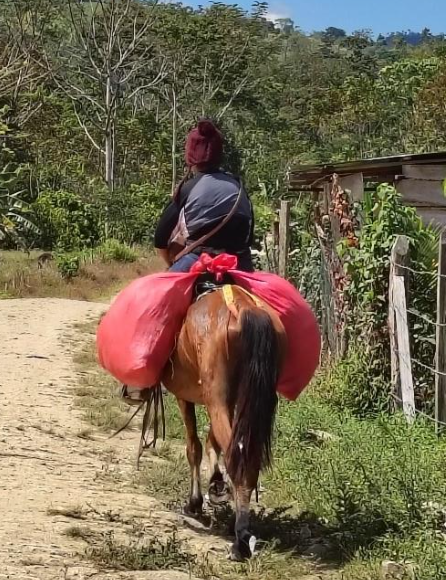 Before installing the solar panels, the families used gas lamps to light up their homes and were exposed to contaminated air. They were unable to charge their devices at home and had to pay distant neighbors connected to the grid for this service. In such remote areas, phones are life-saving devices in cases of medical emergencies and are essential for their cocoa producing operation. Every 15 days, the cooperative sends a truck to collect the cocoa beans from members, communicating through WhatsApp groups to coordinate the time and place to meet. Bringing their produce to the pickup point is no easy task and can be costly for families who do not have a mule. With a charged phone in hand, producers manage their time more efficiently and plan product delivery effectively.
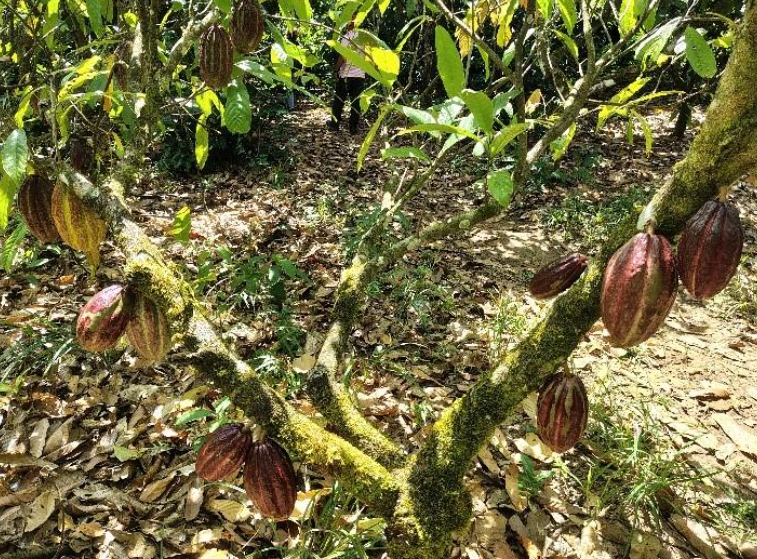
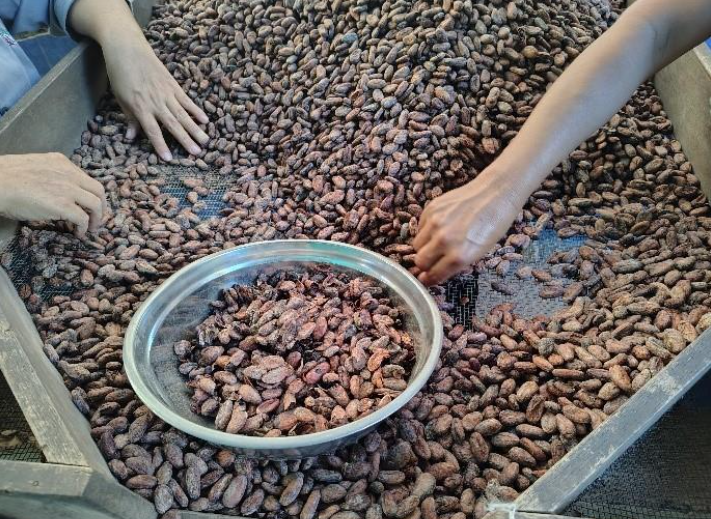 One of the major advantages of belonging to the CacaoNica cooperative is having access to the European market with organic certification from Rainforest Alliance and the Small Producers Symbol – SPP – fair trade label. These recognitions allow the cooperative to pay their members about 30% higher price per pound than conventional cocoa beans; however, it requires them to comply with strict production techniques. Most producers have cocoa trees growing just a few feet away from their homes, and so ecological latrines are fundamental to avoid any soil contamination. The ACES project equips these families with the infrastructure they need to run a successful organic cocoa operation.
 In addition to the productivity boost the ACES project provides, the families we talked to emphasize the health and hygiene benefits from the latrines and the lifestyle improvements the solar systems brought to their homes. Having access to a clean toilet close to their homes particularly helps women, elders and children, offering them a safe and sanitary environment. At night, thanks to the solar systems, families can listen to music, watch videos, school-aged children can do their homework, and they can keep their phones charged and connected. They were all thankful to CacaoNica for including them in the ACES project, which demonstrated that the cooperative considers them more than just cocoa producers and cares about their dignity and well-being.
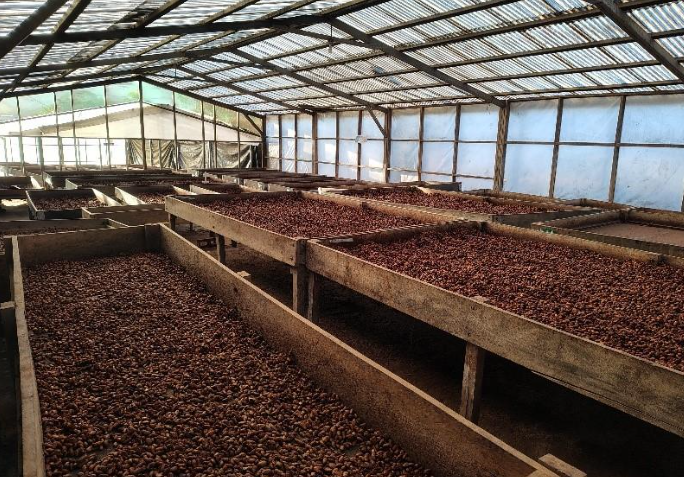
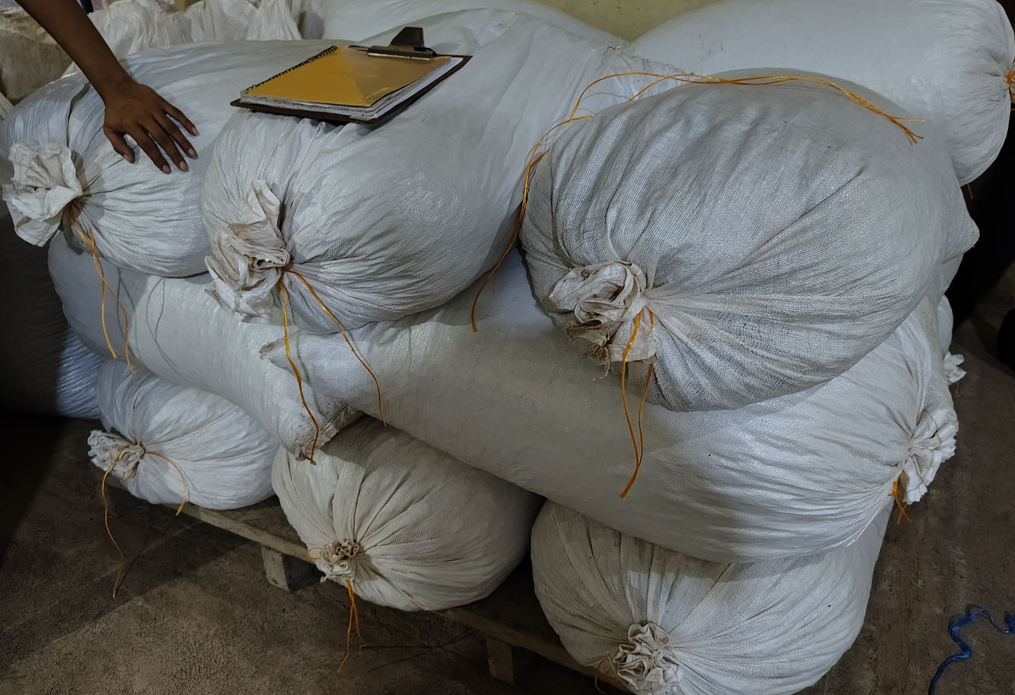 After visiting the organic cocoa farms in the Ocote Tuma community, we returned to the town of Waslala and took a tour of the CacaoNica processing plant. A team of 32 workers make sure the cocoa bean selection, classification and fertilization process is optimal. They run an impressive operation and show extreme dedication and concern for the excellent quality of their product. Such high standards are vital to succeed in the competitive cocoa market which constantly fluctuates and is vulnerable to speculation and climate change.
On international affairs, we sensed grave concern from Nicaraguans of a possible attack from the United States. After the interventions in Venezuela and Cuba, the State Department directly threatened Nicaragua. Nicaragua has been under the US sanctions regime for a long time. This strategy is counterproductive when not carefully targeted, and we are concerned that future sanctions could affect entire industries, including cocoa and coffee producers, by cutting access to global markets.
The Lancet Global Health journal published a study in August 2025, on the Effects of international sanctions on age-specific mortality: a cross-national panel data analysis that shows a correlation between sanctions and their impact on health conditions in targeted countries. We understand the fear and tension felt by the Nicaraguan people anticipating new US assaults to their economy and invite all health workers, active and retired, to sign the Sanctions Kill letter demanding an end to sanctions regimes that take so many innocent people’s lives, especially children.