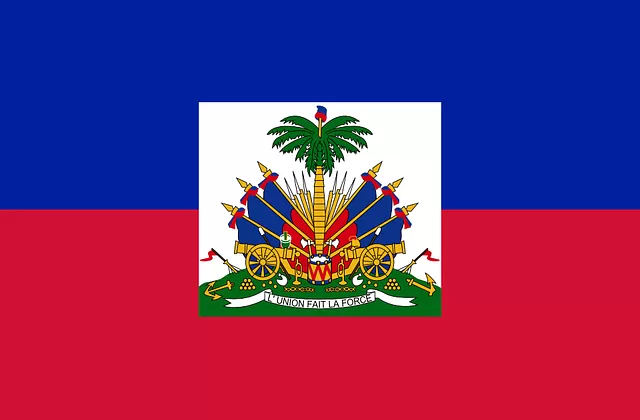

In Haiti and the throughout the diaspora, May 18th is a day filled with music, dancing, parades, religious services, and cultural events. It’s Haitian flag day, a national holiday and day of celebration, but its significance is far deeper than a day off work and a time to party. Schools often hold ceremonies, and communities gather to celebrate Haitian heritage, identity, and pride.
According to tradition, revolutionary leader, General Jean-Jaques Dessalines tore the white stripe from the French flag, rejecting colonial rule, at the 1803 Congress of Arcahaie. Catherine Flon, a seamstress and nurse in the revolution, picked up the remaining blue and red stripes, sewed them together, and created the first Haitian flag and powerful symbol of revolution.
More than 200 years later, the flag remains a symbol of freedom, resistance, hope, and pride in Haitian identity. It is a celebration of Haiti’s history as the first free Black republic and first successful revolt of enslaved people to form a nation.
Music is a huge part of the celebration, especially kompa, rara and racine. Traditional drums are also heard throughout the day. Food is also central to the celebration. Families and communities gather to share traditional dishes like griot (fried pork), diri ak pwa (rice and beans), banan peze (pressed plantains), and pikliz (spicy slaw). Festive desserts and drinks in blue and red are often found at parties.
This joyful and patriotic holiday is both celebratory and reflective. It honors history while celebrating Haitian culture, resilience, artistry, and community. Even when far from Haiti, this is one of the most important days of the year for Haitians and events can be found in Haitian communities throughout the US.
Here in the Washington DC area, a “2026 Haitian Flag Day: Community Commemoration & March of Light” in Wheaton/Silver Spring on Sunday, May 17. It starts with gathering at Citadel Creole Cuisine and includes a public commemoration honoring Haitian history and culture.
At a time when Haiti is too often defined by crisis and instability in international headlines, Flag Day reminds the world of something deeper: a history rooted in courage, liberation, creativity, and community.
Quixote Center believes that honoring Haiti means standing with Haitians, listening to Haitian voices, and supporting Haitian-led solutions. It means recognizing the extraordinary resilience that has carried the country through generations of challenges. On Haitian Flag Day, we celebrate not only the flag, but the people, culture, and spirit it represents.