




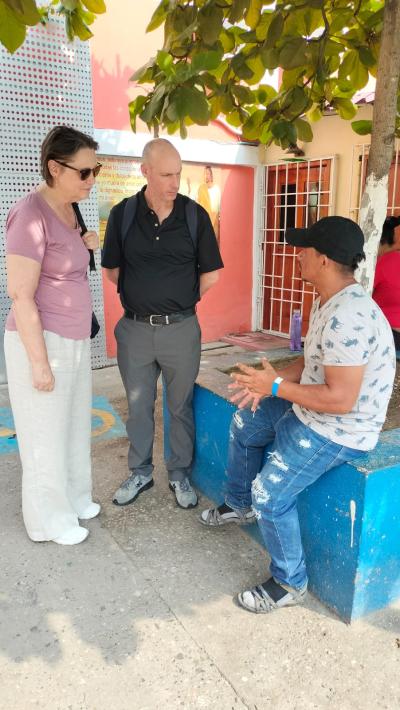
From May 27 to June 3, Quixote Center traveled to southern Mexico to meet with local partners and assess the human impact of the United States' increasingly aggressive immigration enforcement policies, including mass detention and deportation.
What we witnessed was a growing humanitarian crisis, one that is leaving thousands of vulnerable people stranded, homeless, and without support.
Mexico is one of 27 countries that has agreed to receive third-country nationals deported by the United States. Mexico receives approximately 70% of these deportations under an opaque bilateral arrangement.
Most Mexican citizens deported from the United States arrive in southern Mexico on government-chartered flights. Other deportees, including people from Cuba and other countries, are expelled across the US-Mexico border and transported by bus south, near the Guatemala border, to cities such as Villahermosa and Tapachula.
When we arrived in Tapachula, hundreds of recently deported Mexican men sat shoulder to shoulder awaiting registration by Mexico's National Migration Institute (INM). Roughly three deportation flights arrive each week, and the operation appeared highly organized. Under the government's "Mexico Te Abraza" program, deportees are transferred to a tent camp on the outskirts of the city, where they receive temporary assistance, a hygiene kit, and 4,000 pesos (about $200).
For some, the program provides help returning to their home states in Mexico. For others, particularly deportees whose lives, families, and communities exist almost entirely in the United States, it offers little more than a brief pause before uncertainty resumes. Most are allowed to remain at the camp for only 48 hours.
Mexican authorities have denied requests from civil society organizations to visit the tent camps. Given the extreme heat and seasonal storms that characterize the region, we are concerned about the living conditions.
In Villahermosa, we witnessed people sleeping on the streets. Local organizations described large numbers of undocumented migrants living in abandoned buildings, vacant lots, and overcrowded houses. Among them are thousands of elderly Cuban deportees, many suffering from chronic physical or mental health conditions.
These individuals were not recent arrivals to the United States. Most entered legally as children decades ago, through programs such as the Cuban Adjustment Act of 1966, and spent nearly their entire lives in the US. They speak, work, and live as Americans. Their families, communities, and support networks remain in the United States.
Some later lost their permanent residency status after criminal convictions and received deportation orders. For decades, however, the United States did not carry out those deportations because Cuba refused to accept them.
As a result, these individuals remained in the United States. They served their sentences, rebuilt their lives, started businesses, raised families, and became part of their communities.
Because of the policies of the current US administration, today they find themselves homeless and destitute in a country they barely know.
According to a recent report by Human Rights Watch, the United States has deported an estimated 4,300 Cubans to Mexico since this operation began in February 2025, making Cubans the nationality most affected by the policy. Most are men with prior criminal records who are arrested by Immigration and Customs Enforcement (ICE), often in Florida and Texas, are held in detention for weeks or months, and then ultimately transported to southern Mexico.
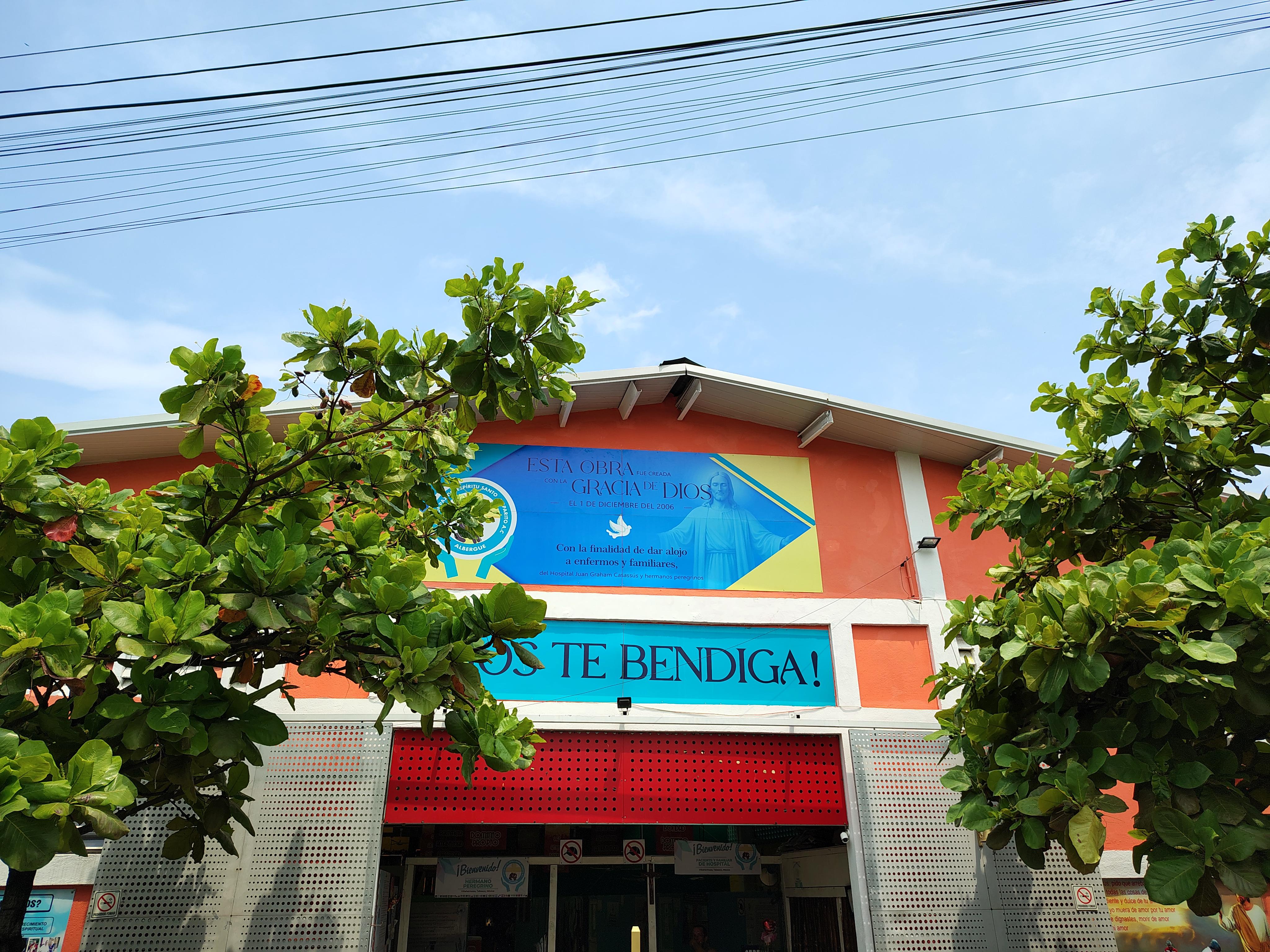
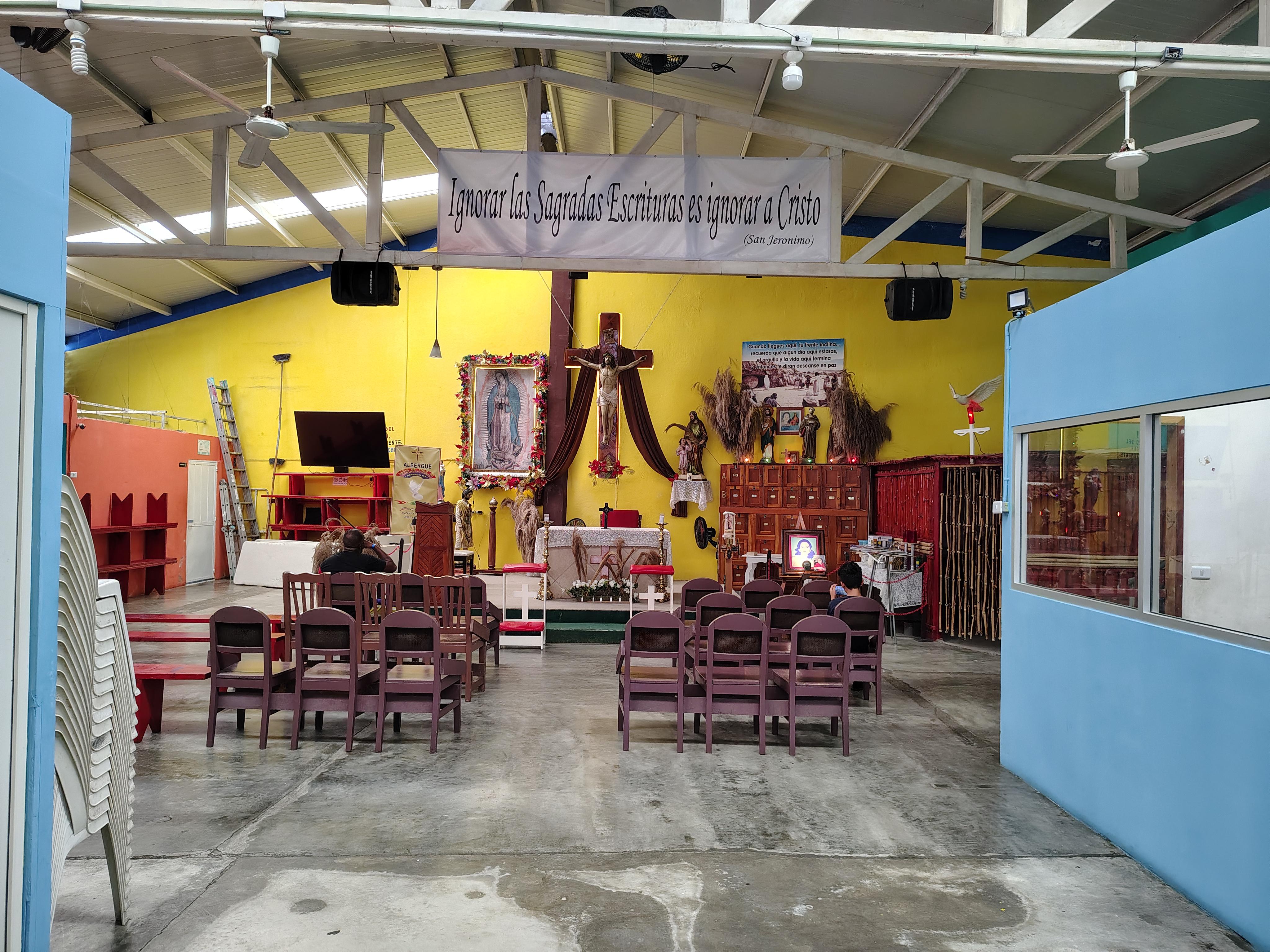
In Villahermosa, only one private shelter is currently helping address this growing need: Albergue Oasis de Paz del Espíritu Santo Amparito.
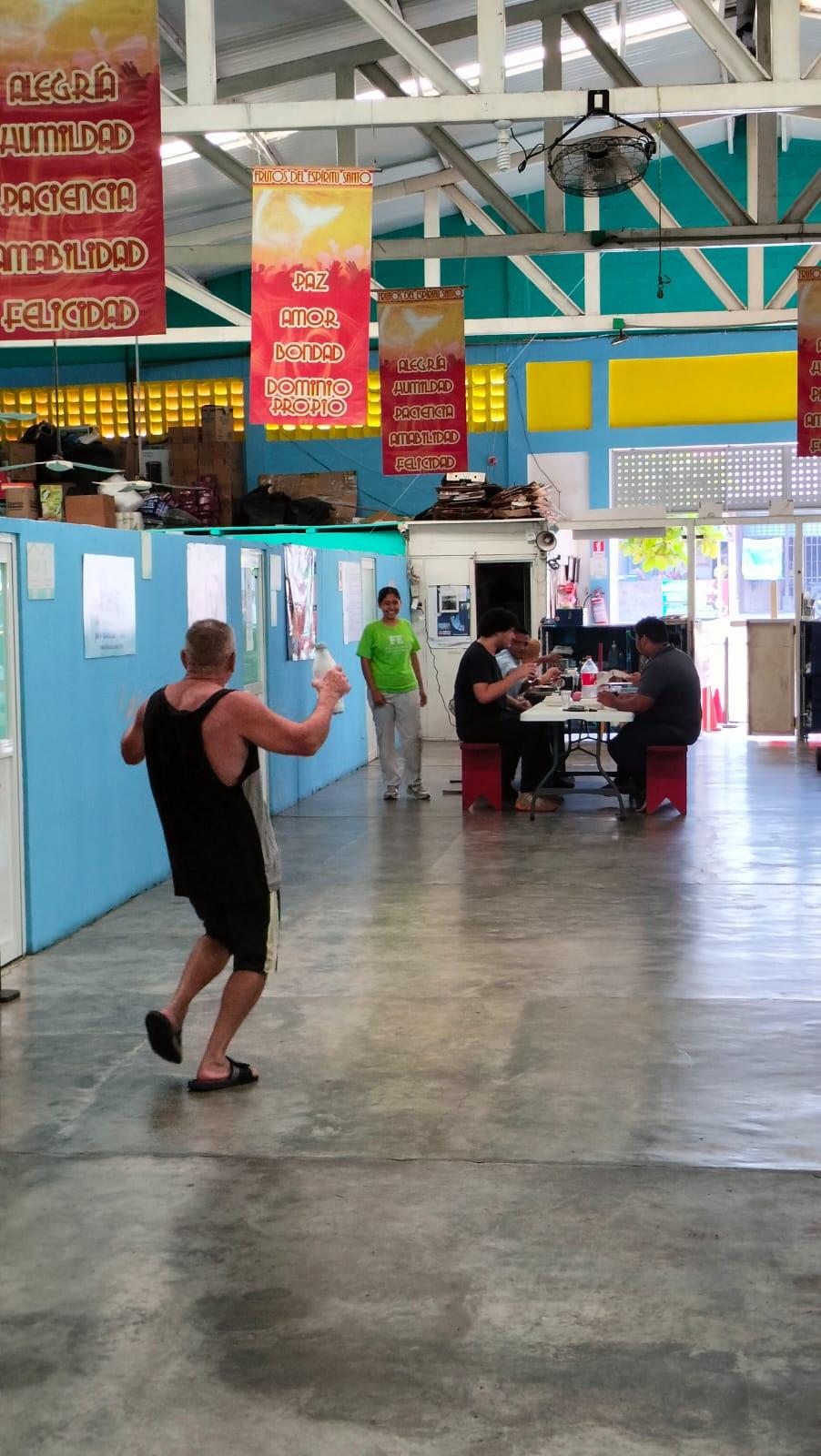
Founded two decades ago, the shelter was originally created to provide temporary lodging for families visiting loved ones at a nearby hospital. Today, it is a lifeline for migrants and deportees. With only 20 beds, 10 for men and 10 for women, the shelter serves three meals a day not only to residents but also to migrants living on the streets or in informal housing nearby.
The options are limited for deported third-country nationals. Mexico’s government gives them just 10 days to leave the country. Those who wish to remain must file an asylum application with Mexico's refugee agency, COMAR. The asylum process can take up to two years.
During that time, applicants are generally prohibited from working and cannot leave the state where their claim was filed. Recent US funding cuts to the UN Refugee Agency (UNHCR) have further strained the system. Because approximately 80% of COMAR's budget depended on UNHCR support, offices have reduced operations or closed altogether, even as asylum requests continue to rise.
We reject United States policy that creates humanitarian emergencies in countries with few resources and then leaves local communities and civil society organizations to manage the consequences. We support the recommendations in the Human Rights Watch report (read pages 7-9) and call for greater transparency regarding the agreement between the United States and Mexico governing the transfer of third-country nationals. The local organizations we met with had little information about the terms and have received virtually no support from Mexican authorities to respond to the growing need.
No one should spend decades building a life in one country only to be abandoned, elderly and alone, in another.
Note: This is the first of three posts describing conditions for people deported to southern Mexico. Interviews with people we met in Mexico will be featured in our Between Borders video series in the coming weeks.
Comments
angelo sturno (not verified)
Let's exclude aged, blind, disabled from the list of deportation , already an hardship.
angelo sturno (not verified)
let's exclude the aged, blind, disabled, from the list of deportation, already an hardship.